

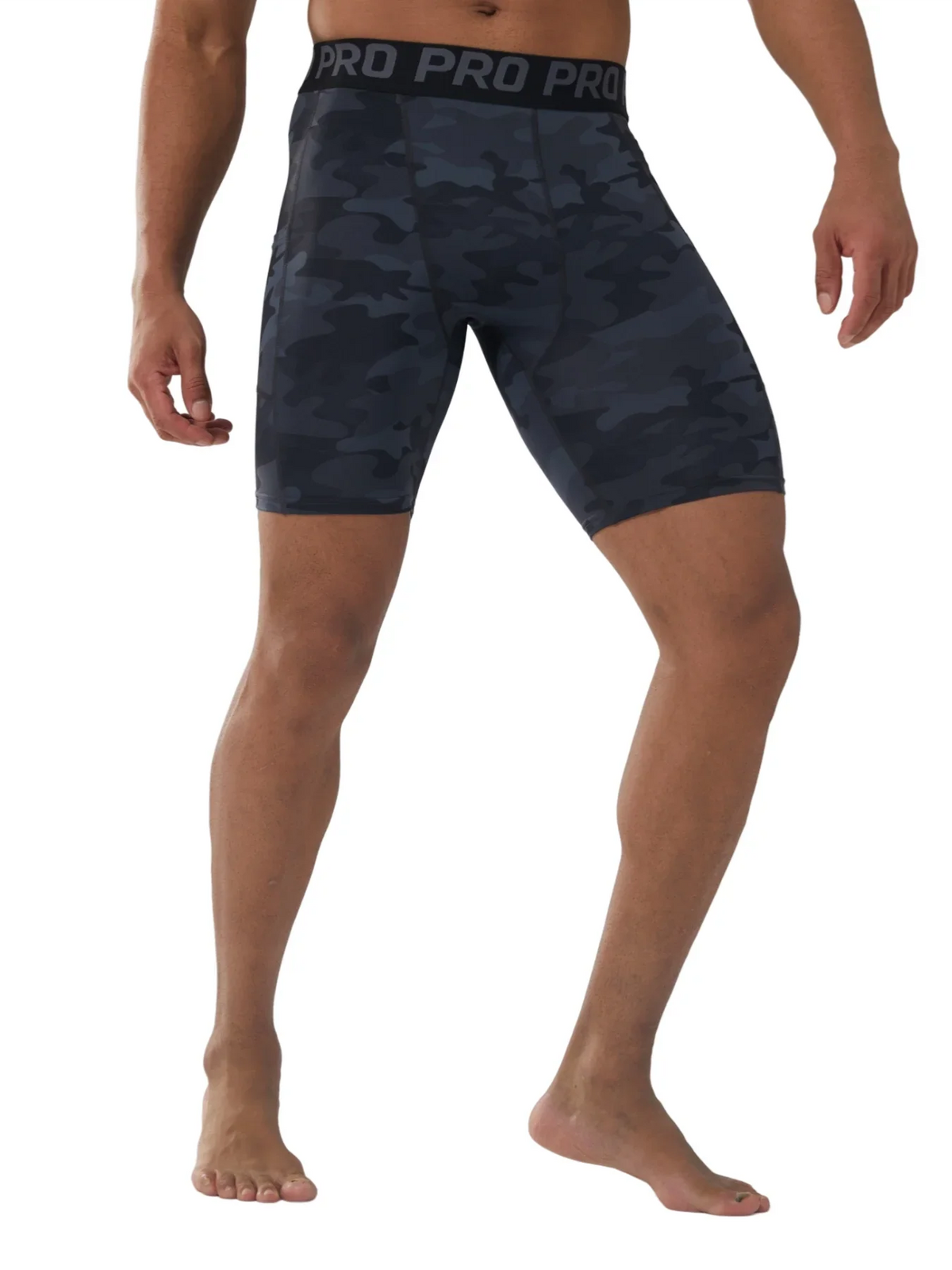
Men's Compression Shorts: Performance, Recovery & the Science of Supportive Gear
A practical, science-backed guide to choosing men's compression shorts — pressure levels, lengths, fabrics, training vs recovery use, and the MYOVV pieces that earn a permanent spot in your kit.

Table of Contents
Key Takeaways
- Compression is a performance tool, not a fashion layer. Graduated pressure reduces muscle oscillation, supports proprioception, and can lower post-session soreness.
- Match length to the job. Mid-thigh training compression is the versatile default; 3/4 length adds hamstring/knee coverage; thermal full-length suits cold outdoor blocks.
- 15–20 mmHg is the training sweet spot for most healthy male athletes. Higher medical grades are rarely needed under the bar or on the track.
- Wear them during and after hard sessions. In-session support plus 2–4 hours post-training is where recovery benefits show up most clearly.
- 2-in-1 shorts with compression liners solve the “support + pockets + coverage” problem for gym-to-run athletes.
- Build a small rotation. Two to three pairs cover laundry lag; add one extended-length or thermal option for seasonal work.
Introduction
Walk into any serious training floor and you’ll see them: tight, second-skin shorts under gym shorts, during warm-ups, or worn alone by athletes who want maximum support with minimum bulk. Compression shorts are not a trend piece. They are engineered base layers designed to manage muscle oscillation, moisture, and recovery between hard sessions.
This guide breaks down what men’s compression shorts actually do, how to choose length and pressure, when to wear them solo versus under shorts, and which MYOVV options fit gym, run, HIIT, and cooler Australian conditions. If you already own loose training shorts, start with our Men’s Gym Shorts complete guide; if you’re building a full kit, pair this with the Men’s Training Gear wardrobe guide.
Prices below are shown in NZD from live MYOVV product data.
How Compression Works
During training: less wasted motion
Every foot strike, cut, and eccentric rep creates soft-tissue oscillation. That vibration is mostly invisible, but it costs energy and contributes to fatigue. Quality compression shorts apply even, graduated pressure that stabilises the muscle belly, improves positional awareness (proprioception), and can lower perceived exertion at the same workload.
In practical terms, athletes often report feeling “locked in” through squats, lunges, sprints, and change-of-direction work — not because the fabric is magical, but because the base layer reduces excess movement and keeps the waistband and thighs stable under sweat.
During recovery: faster return to baseline
Post-session compression helps limit fluid pooling, supports venous return, and is associated with reduced delayed-onset muscle soreness (DOMS). A 2022 meta-analysis of 23 studies found compression garments reduced DOMS by roughly 27% on average and accelerated recovery of muscle strength by about 15% versus controls when used after exercise.
"Compression will not replace progressive training, sleep, or protein intake. It will, however, remove friction from the sessions you already earn — less chafe, less bounce, and a cleaner recovery window between hard days."
— MYOVV Research Team
What the evidence does not claim
Compression shorts are a supportive tool. They do not prevent every soft-tissue injury, do not replace a warm-up, and will not add kilos to your squat by themselves. Treat them like good footwear or a solid belt: high leverage when the rest of the system is already sound.
Types of Compression Shorts

1. Training compression shorts (mid-thigh, ~8–10" feel)
Best for: base layer under gym shorts, general lifting, HIIT, and everyday training blocks.
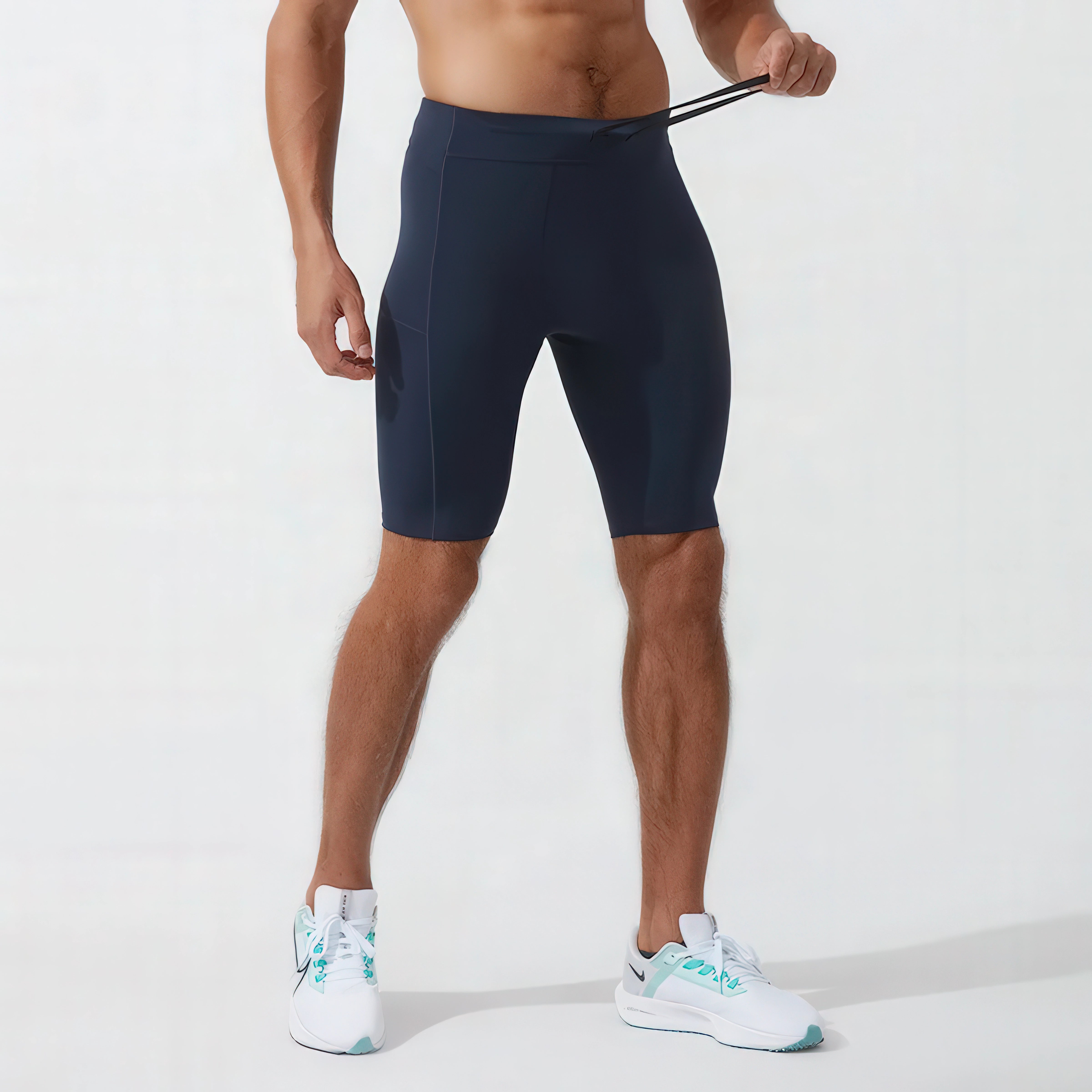
This is the workhorse category. Moderate compression, full hip mobility, flatlock seams, and a waistband that stays put through deep knee flexion. If you only buy one pair, buy this type.
MYOVV pick: AirFlex Training Compression Shorts — $32.95 NZD. Quick-dry training compression built for repeated gym use.
2. 3/4 compression shorts (just below the knee)
Best for: hamstring coverage, knee warmth, sprint/power athletes, cooler sessions.
Extended length keeps compression on the posterior chain longer. Useful if you have a history of hamstring tightness, do a lot of acceleration work, or train early mornings when ambient temperature drops.
MYOVV pick: FlexCore Men's 3/4 Compression Shorts — $30.95 NZD.
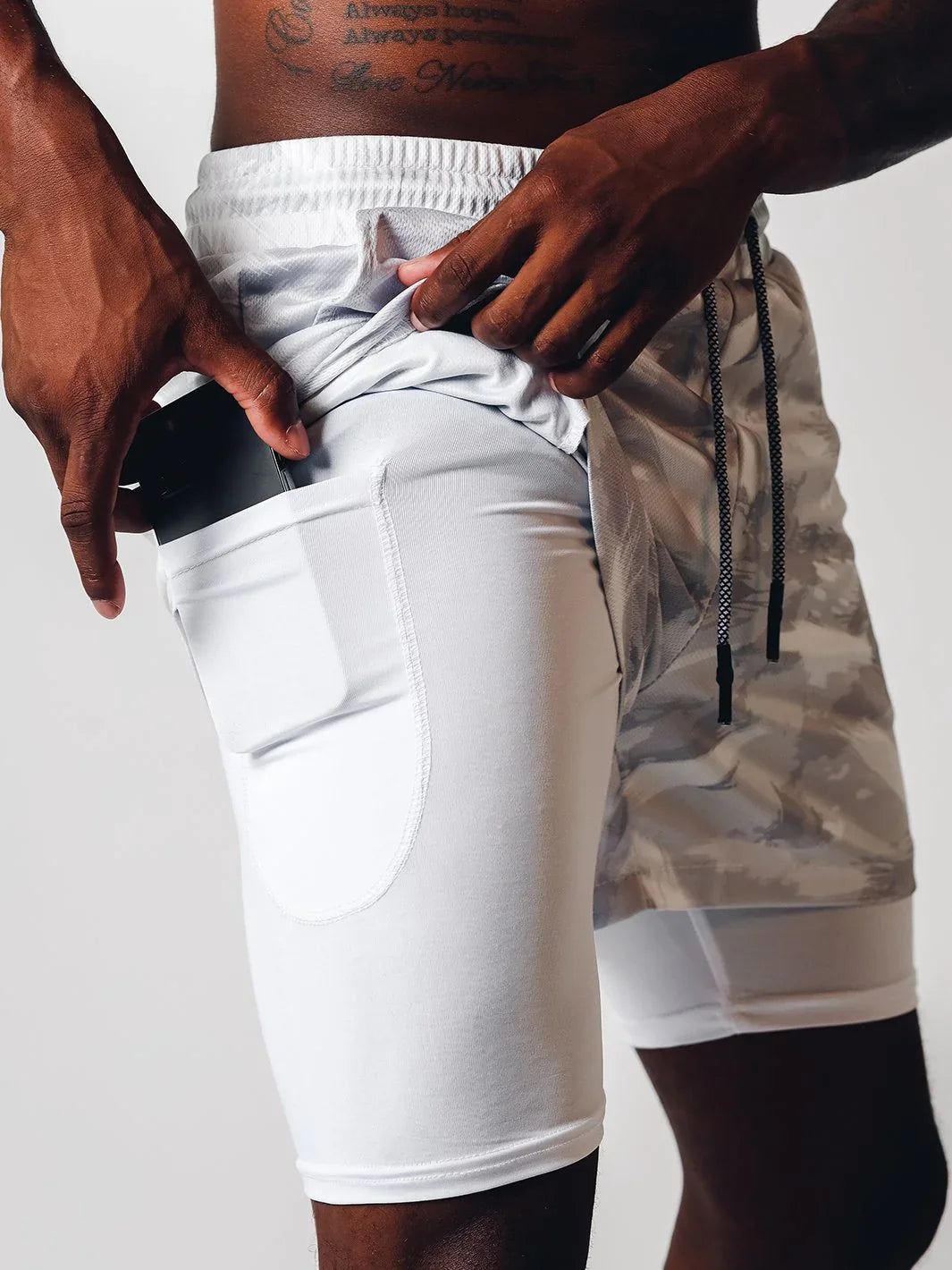
3. 2-in-1 shorts with compression liner
Best for: athletes who want support, coverage, and pocket storage in one garment.
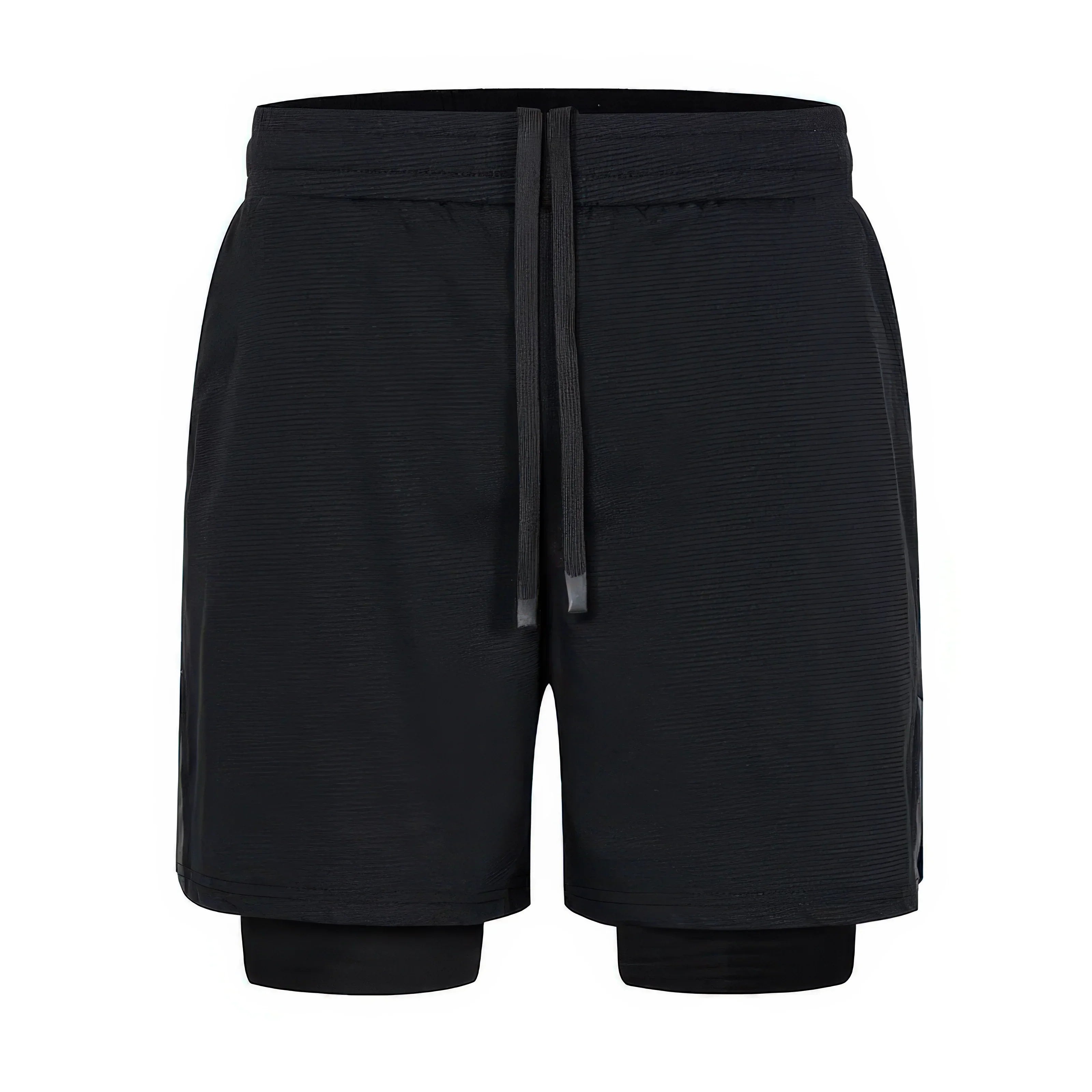
A compression liner bonded or stitched under a lightweight outer short is the modern default for dual gym/run training. You get chafe control and muscle support without carrying a separate base layer.
MYOVV picks: Hybrid Workout Compression-Lined Shorts — $62.99 NZD; AirFlex 2-in-1 Running and Training Shorts — $64.95 NZD; FlexFit 2-in-1 Men's Dri-Fit Compression Legging Shorts — $89.99 NZD.

4. Thermal compression tights / full-length
Best for: outdoor winter training, early starts, low-intensity recovery walks in the cold.
Full-length thermal compression adds insulation while keeping the supportive knit against the skin. Overkill for a heated commercial gym in January — excellent for June night runs and garage sessions.
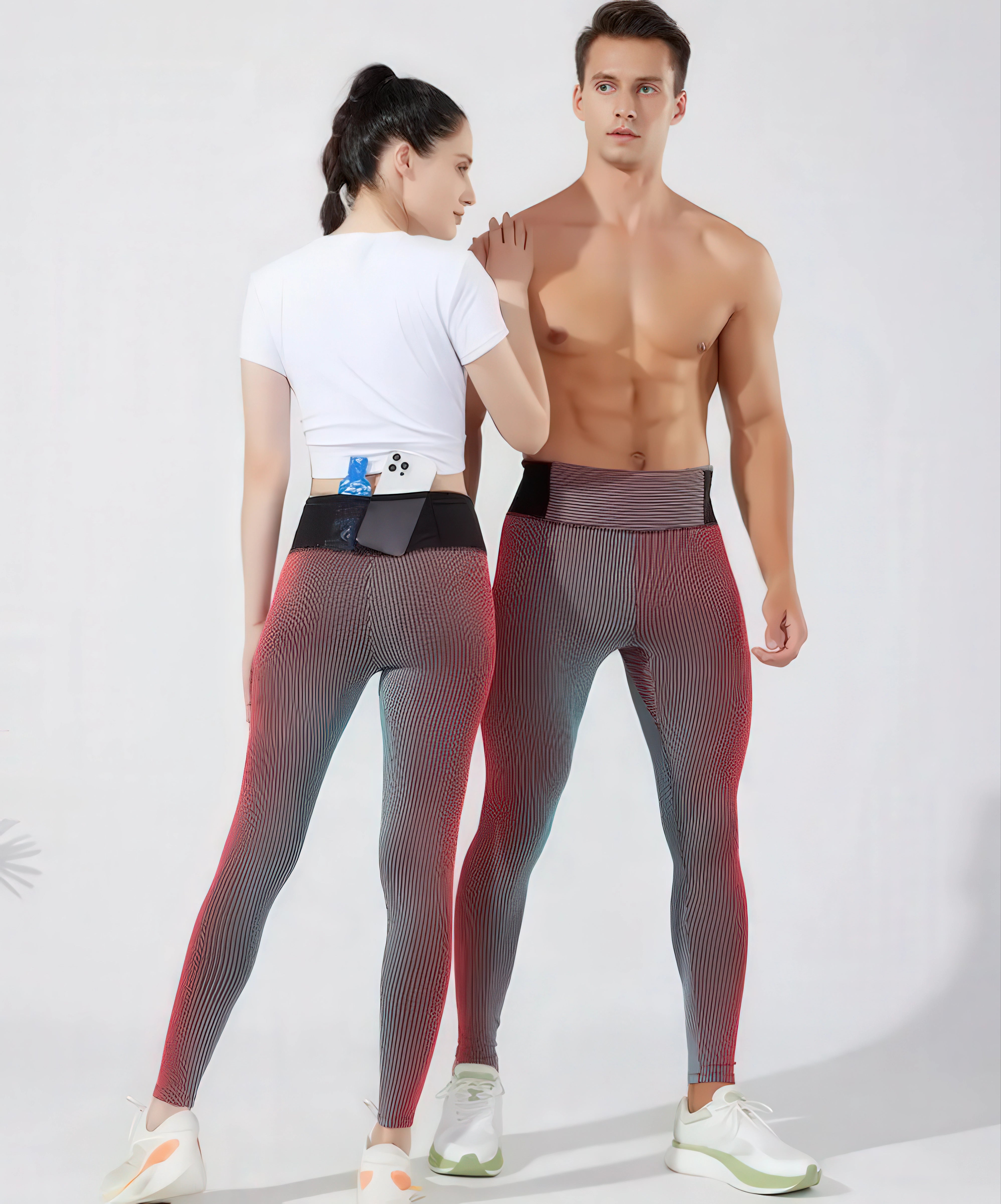
MYOVV pick: FlexTherm Men’s Thermal Compression Leggings — $36.95 NZD.
mmHg, Fit & Fabric
Pressure levels that matter
| Range | Feel | Best use |
|---|---|---|
| 8–14 mmHg | Light hold | All-day comfort layers, easy recovery spins |
| 15–20 mmHg | Training standard | Gym, HIIT, field sport, most running base layers |
| 20–30 mmHg+ | Firm / medical-leaning | Clinical guidance, specific recovery protocols — often too restrictive under heavy lifting |
Fit checklist
- No waistband roll during a bodyweight squat
- Thigh fabric stays opaque at end range
- Seams sit flat — no hot spots after 20 minutes
- Crotch panel doesn’t migrate during high knees
- You can inhale fully; rib/abdomen pressure should not feel crushing
Fabric priorities
Look for polyester-spandex or nylon-spandex knits with four-way stretch, durable recovery (fabric snaps back after stretch), and moisture management. Flatlock or bonded seams beat bulky overlock seams for chafe control. A brushed interior can add comfort for recovery wear; a slicker face fabric usually dries faster under shorts.

When to Wear Compression
Weightlifting & hypertrophy
Wear mid-thigh compression under stretchy gym shorts. You want hip mobility for squats and hinges, plus enough hold to reduce thigh slap and chafe on high-rep accessories. Pair with a supportive top like the AirCore Compression Tank ($54.99 NZD) or CoreFlex Short Sleeve Compression Shirt ($58.99 NZD) on heavier upper days.
Running & conditioning
Choose a secure liner and chafe-free seams. 2-in-1 designs shine here because they add pocketing for phone/key without sacrificing the compression brief. For pure track work in heat, solo compression can be enough.
HIIT & field sport
Change of direction punishes loose base layers. Compression that stays put through shuffles, jumps, and burpees is non-negotiable. Prioritise waistband security over ultra-light fashion knits.
Recovery windows
After hard lower-body or mixed-modal sessions, keep compression on for 2–4 hours while you commute, work, or walk. This is where DOMS and next-day readiness benefits are most consistently reported.
Compression vs gym shorts
They solve different problems. Gym shorts give coverage, pocketing, and social default. Compression gives support and chafe control. Most athletes should own both and stack them. Full breakdown: Compression Shorts vs Gym Shorts.
Product Comparison
Live MYOVV compression-focused options for male athletes (prices in NZD):
| Product | Type | Best for | Price |
|---|---|---|---|
| AirFlex Training Compression Shorts | Training compression | Daily gym base layer | $32.95 NZD |
| FlexCore Men's 3/4 Compression Shorts | 3/4 compression | Hamstring/knee coverage | $30.95 NZD |
| Hybrid Workout Compression-Lined Shorts | 2-in-1 lined short | Gym + conditioning | $62.99 NZD |
| AirFlex 2-in-1 Running and Training Shorts | 2-in-1 run/train | Dual-purpose sessions | $64.95 NZD |
| FlexFit 2-in-1 Men's Dri-Fit Compression Legging Shorts | 2-in-1 compression short | Support + pocket storage | $89.99 NZD |
| FlexTherm Men’s Thermal Compression Leggings | Thermal compression | Cold outdoor blocks | $36.95 NZD |
Starter stack (high ROI): one training compression short ($32.95 NZD) + one 2-in-1 lined short ($62.99 NZD or $64.95 NZD). Add FlexCore when you need extended coverage.

Australian Training Context
Summer (December–February)
Heat and humidity punish cotton and slow-dry knits. Choose light, quick-dry compression and consider solo wear or a ventilated 2-in-1. Dark colours still dominate gym floors, but fabric weight matters more than colour for heat management.
Autumn & spring
Ideal compression weather. Mid-thigh training pairs under shorts cover almost every session type. Keep a 3/4 pair for windy coastal runs and early starts.
Winter (June–August)
Garage gyms and outdoor work benefit from thermal compression or 3/4 length under shorts. You can still overheat indoors — layer smart, don’t default to full thermal for every commercial-gym session.
Travel & dual climates
If you train across cities or travel for work, pack two mid-thigh pairs and one extended option. Compression packs small, dries overnight, and doubles as a recovery layer on flights when swelling and stiffness creep in.
Care & Longevity
- Wash cold, gentle cycle — heat kills elastane recovery.
- Skip fabric softener — it coats fibres and wrecks moisture-wicking.
- Hang dry — tumble heat is the fastest way to bag out compression.
- Rotate pairs — elastane needs rest between high-sweat sessions.
- Retire when hold is gone — if the waistband rolls or thighs bag after wash, the garment is done even if it still “looks fine”.
With proper care, a quality pair should survive a full training season of 4–5 sessions per week. Once compression feels like regular tights, replace it — the performance feature is the hold, not the colourway.
Related Compression Gear
Explore our full range of compression training equipment:
CoreTech 2-in-1 Training Shorts
Dual-layer design for maximum support and mobility
View Size Chart →
TacticalDry™ Running Shorts
Tactical-grade quick-dry fabric for endurance training
View Size Chart →
Frequently Asked Questions
Related Compression Gear
Explore our full range of compression training equipment:
CoreTech 2-in-1 Training Shorts
Dual-layer design for maximum support and mobility
View Size Chart →TacticalDry™ Running Shorts
Tactical-grade quick-dry fabric for endurance training
View Size Chart →Should I wear compression shorts under gym shorts?
Yes for most training. A compression base layer under gym shorts reduces chafing, supports working muscles, and keeps you locked in through squats, lunges, and HIIT. Solo compression works for warm-ups, recovery sessions, and athletes who prefer a second-skin feel.
What mmHg compression level do I need for training?
For gym and field training, moderate compression around 15–20 mmHg is the practical sweet spot — enough support without restricting deep hip flexion. Medical-grade levels above 20–30 mmHg are usually unnecessary for healthy athletes and can feel overly restrictive under load.
Are 3/4 compression shorts better than standard length?
3/4 length is better when you want hamstring and knee coverage — sprint work, colder sessions, or a history of posterior-chain tightness. Standard mid-thigh compression is more versatile for year-round gym training and pairs cleanly under most shorts.
Do compression shorts help with recovery and DOMS?
Evidence supports a meaningful recovery benefit when compression is worn after hard sessions. Meta-analyses report lower delayed-onset muscle soreness and faster strength recovery versus no compression, especially when worn for 2–4 hours post-training.
Can I run in compression shorts alone?
Yes if the fabric is moisture-wicking, chafe-resistant, and the fit stays put. Many runners prefer a 2-in-1 short with a compression liner for pocket storage and outer coverage. Solo compression is excellent for track sessions, warm-ups, and hot-weather base layers.
How should compression shorts fit?
Snug against the skin with no bagging at the thighs or waistband roll. You should move through a full squat and high-knee run without pinching. If the waistband digs in or the fabric turns sheer under stretch, size up or choose a higher-recovery knit.
Compression shorts vs gym shorts — which should I buy first?
If you only buy one layer, start with quality gym shorts for coverage and versatility. If you already own shorts and want a performance upgrade, compression is one of the highest-ROI additions — especially for frequent lifters and dual gym/run athletes. See our compression vs gym shorts guide for the full comparison.
How many pairs of compression shorts do I need?
For 4–5 training days per week, keep 2–3 pairs in rotation. That covers laundry lag, mixed session types, and a spare for travel. Add a 3/4 or thermal option if you train outdoors through cooler Australian months.
The Bottom Line
Men’s compression shorts are one of the highest-ROI upgrades in a training wardrobe. For a modest outlay you get muscle support under load, chafe control in conditioning, and a measurable recovery assist when you keep them on after hard sessions.
Start with a mid-thigh training pair, add a 2-in-1 if you run or need pockets, and keep a 3/4 or thermal option for colder or posterior-chain-focused blocks. Stack them with proper gym shorts, progressive programming, and basic recovery hygiene — that is the complete system.
Train supported. Recover faster. Perform better.
Shop Compression Gear
Build your compression rotation
- AirFlex Training Compression Shorts — $32.95 NZD
- FlexCore Men's 3/4 Compression Shorts — $30.95 NZD
- Hybrid Workout Compression-Lined Shorts — $62.99 NZD
- AirFlex 2-in-1 Running and Training Shorts — $64.95 NZD
- FlexFit 2-in-1 Men's Dri-Fit Compression Legging Shorts — $89.99 NZD
- FlexTherm Men’s Thermal Compression Leggings — $36.95 NZD
References & Citations
This guide is part of the MYOVV Performance Knowledge Base. Related reading:
- Men's Gym Shorts: The Complete Guide to Performance, Fit & Style
- Men's Training Gear: Building a Complete Workout Wardrobe That Performs
- Compression Shorts vs Gym Shorts: What to Wear?
- Compression Clothing: What It Is, Why It Matters & How to Choose
- Gym Shorts Length Guide: Finding the Perfect Fit
- MYOVV.com — Men's performance activewear
Sources: peer-reviewed sports science literature on compression garments and DOMS/recovery outcomes (including multi-study meta-analyses through 2022); MYOVV product performance specifications; industry fabric standards for polyester/nylon-spandex training knits. Compression effects vary by individual, garment design, and protocol.



Leave a comment
This site is protected by hCaptcha and the hCaptcha Privacy Policy and Terms of Service apply.