

Men's Training Gear: Building a Complete Workout Wardrobe That Performs
By MYOVV Research Team

Table of Contents
Key Takeaways
- Build your training wardrobe systematically — not from free event tees and random leftovers.
- Start with 5–7 essentials: 3 pairs of training shorts, 2–3 moisture-wicking tees, and 1 tank.
- Match gear to session type: 2-in-1 shorts for running/HIIT, stretch shorts for lifting, compression for support.
- Never wear cotton against skin — polyester-spandex blends (85–90/10–15) outperform for moisture and stretch.
- Quality gear lasts 12–24 months with cold washes, no fabric softener, and air drying.
Introduction
Training consistently requires more than discipline and a program — it requires gear that shows up as reliably as you do. Yet most men build their training wardrobe haphazardly: a random collection of free event t-shirts, shorts that don't quite fit, and gear that survived from high school.
This guide approaches training apparel the way an athlete approaches programming: systematically. We'll cover every category, explain what matters and what doesn't, and help you assemble a training wardrobe that supports every type of session.
The Training Wardrobe by Category
Gym Shorts: Your Foundation
Gym shorts are the most frequently used piece in your training kit. Every session — whether you're squatting, sprinting, or doing mobility work — involves your shorts.
What you need:
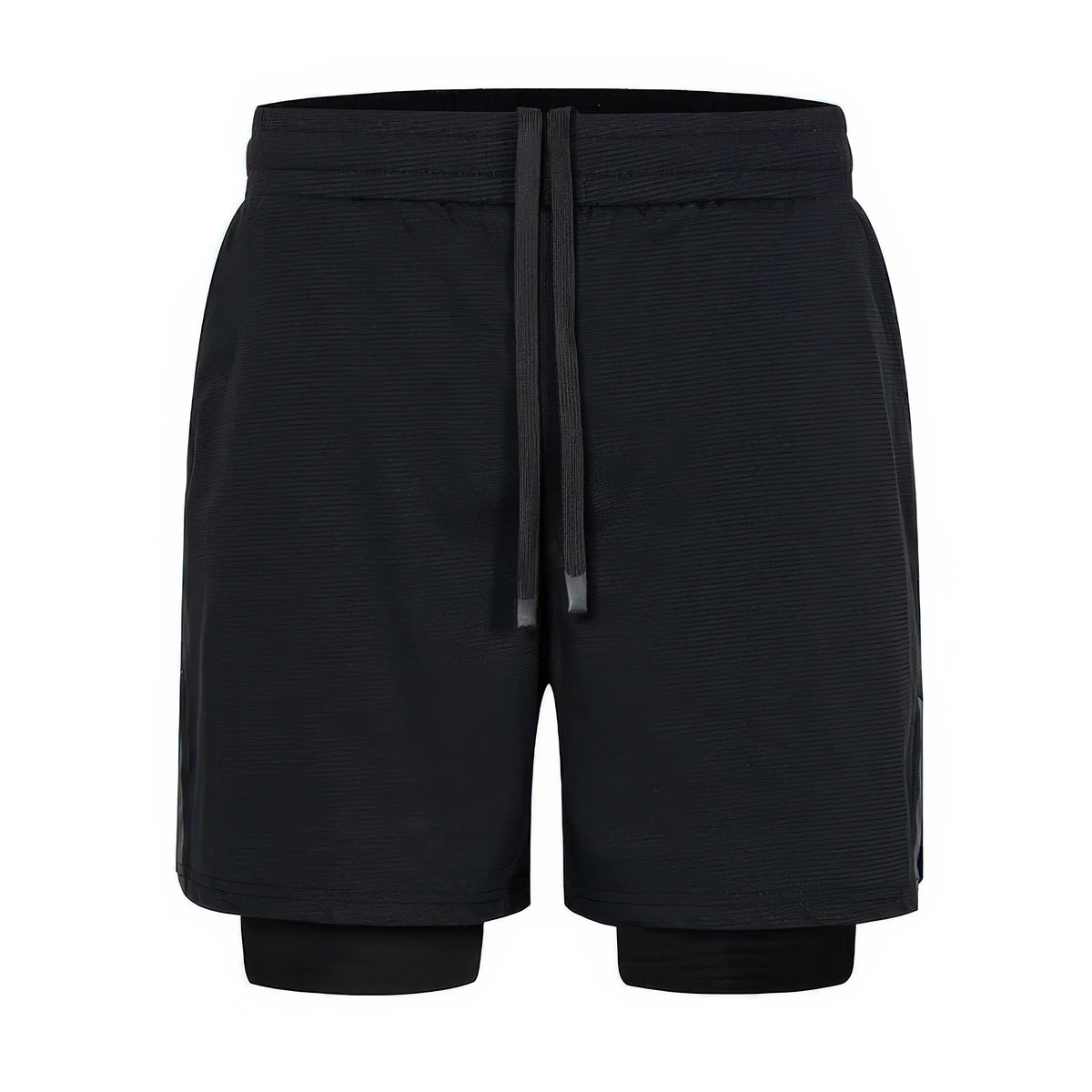
- 2–3 pairs of training shorts — 5–7 inch inseam, four-way stretch, moisture-wicking. See our complete gym shorts guide.
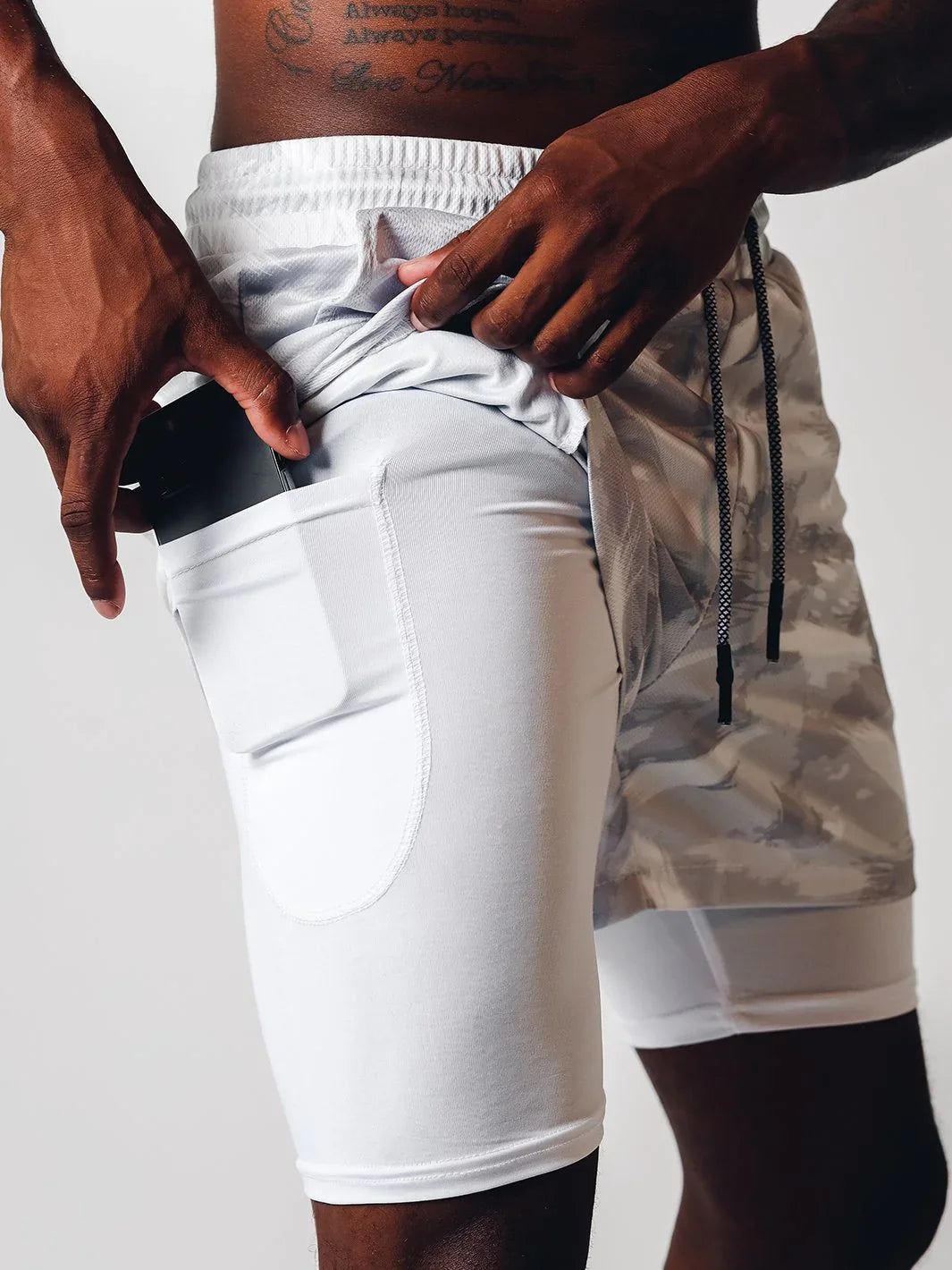
- 1–2 pairs of 2-in-1 shorts — built-in compression liner for running and HIIT. Try the AirFlex 2-in-1 Running and Training Shorts or CoreTech 2-in-1 Training Shorts.
- Specific recommendation: Match the inseam to your height and training style
Red flags to avoid: Cotton shorts, shorts without stretch, shorts with shallow pockets that dump your phone mid-set, anything with an inseam that restricts your squat depth.

Training Tops: Tanks, Tees & Long Sleeves
Your choice of training top affects temperature regulation, range of motion, and how you feel when you catch your reflection between sets.
Tank Tops
Tanks provide maximum freedom through the shoulders and arms, making them ideal for upper-body sessions. They also offer superior ventilation for high-sweat training.
Look for: Drop armholes that don't restrict overhead movement, moisture-wicking fabric, flat seams that won't irritate during bench press, and a length that stays tucked or looks intentional untucked.
When to wear: Upper-body days, summer training, hot gym environments, posing practice for physique athletes
Shop options like the AirMesh Training Tank and AirCore Compression Tank.

Short Sleeve Tees
The training t-shirt is the universal default. A quality training tee manages moisture, moves with you, and survives hundreds of wash cycles without losing shape.
Look for:
- Athletic fit — tapered through the torso, room in the shoulders and chest
- Moisture-wicking — polyester or poly-blend performs better than cotton
- Raglan or set-in sleeves — raglan sleeves offer better overhead mobility
- Flatlock seams — prevent chafing during high-repetition movements
- Anti-odour treatment — extends wearable life between washes
Start with the UltraCore Short Sleeve Gym Tee or Quick-Dry Fitness Performance Tee.
Long Sleeve Training Tops
For cooler gyms, outdoor training in shoulder seasons, or athletes who prefer more coverage, long sleeve training tops provide warmth without bulk.
Look for: Thumbhole cuffs that keep sleeves in place during overhead work, lightweight thermal fabric, and a cut that layers cleanly under hoodies.
Compression Tops
Worn as a base layer or on their own, compression tops provide upper-body muscle support and a locked-in feel during heavy training.
Product match: The MYOVV PowerFlex Long Sleeve Compression Tee and CoreFlex Short Sleeve Compression Shirt represent the ideal training top rotation. For deeper compression science, read our compression shorts guide.

Joggers & Training Pants
When the temperature drops or you're training outdoors, joggers replace shorts as your lower-body foundation.
The training jogger difference: Training joggers aren't lounge pants. They're engineered with four-way stretch, tapered calves that don't catch during lunges, and moisture-wicking fabric that handles sweat. The MYOVV ProFlex Joggers and VelocityFit Moto Joggers are built for exactly this — performance cuts that work as hard as you do.
Features that matter:
- Tapered fit from knee to ankle (prevents fabric interference)
- Zippered pockets (secure storage during running and dynamic work)
- Gusseted crotch construction (eliminates the seam-failure point)
- Ankle zips (easy on/off over training shoes)
Outer Layers: Hoodies & Jackets
The outer layer serves two purposes: warmth during warm-up and a pump cover during training.
The pump cover concept: Wearing a hoodie or lightweight jacket during your working sets traps heat around working muscles, enhancing blood flow and the "pump" effect. Many athletes train through their working sets in a hoodie, removing it only for posing or final sets when muscle fullness is at its peak.
What to look for:
- Lightweight construction that doesn't restrict movement
- A fit that layers over a training top without being baggy
- Breathable fabric that doesn't become a sweat trap
- Hood that stays in place during bench press
For a street-ready option, see the Distressed EmberCraft Double Zip Hoodie.

Building a Training Wardrobe by Budget
The Essentials (5–7 pieces — start here)
| Item | Quantity | Notes |
|---|---|---|
| Training shorts | 3 pairs | At least one 2-in-1 pair for cardio |
| Training tees | 2–3 | Athletic fit, moisture-wicking |
| Training tank | 1 | For summer and upper-body days |
Cost range: $200–350 NZD for quality essentials
The Complete Rotation (10–14 pieces)
Add to the essentials:
| Item | Quantity | Notes |
|---|---|---|
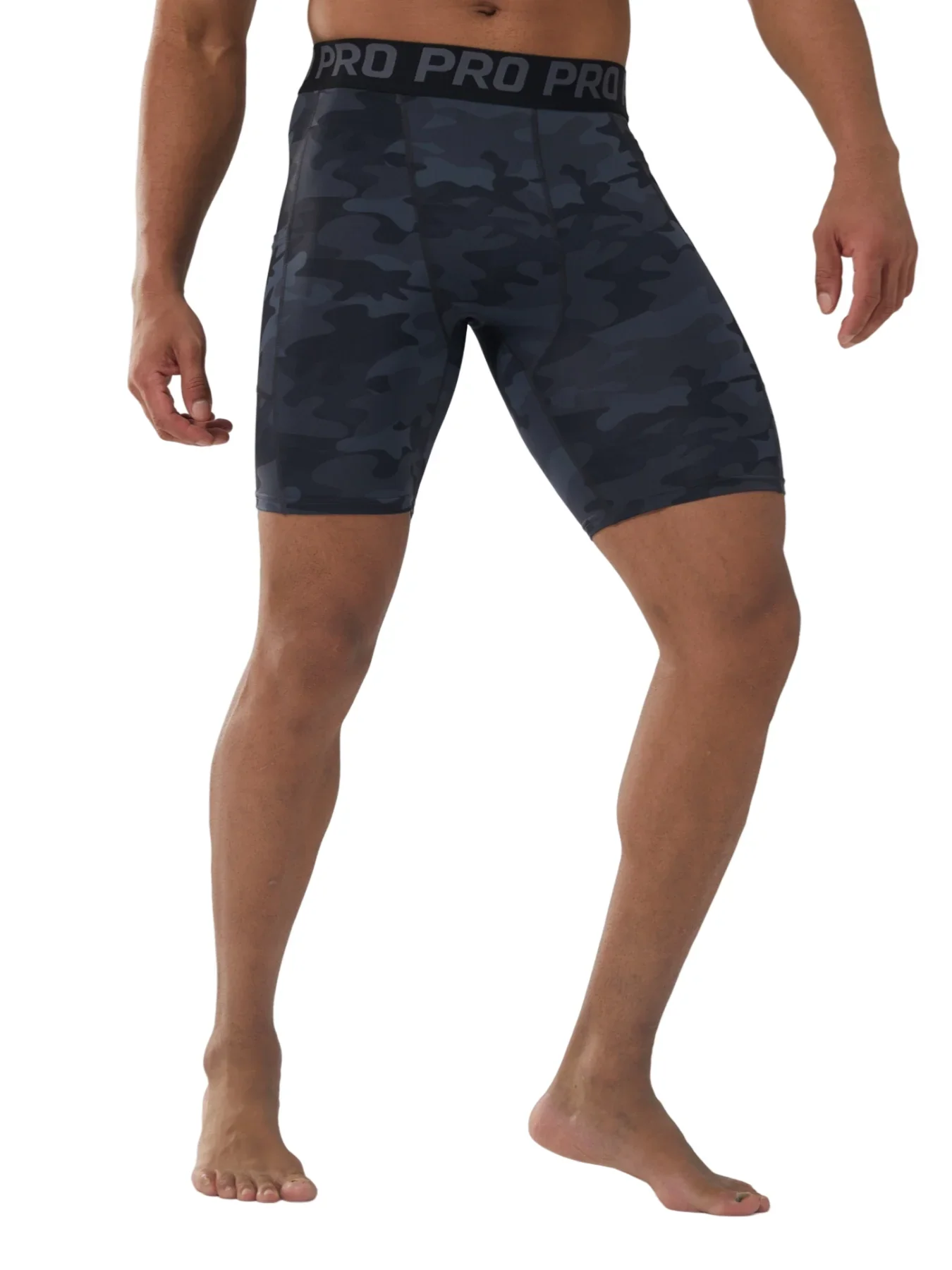
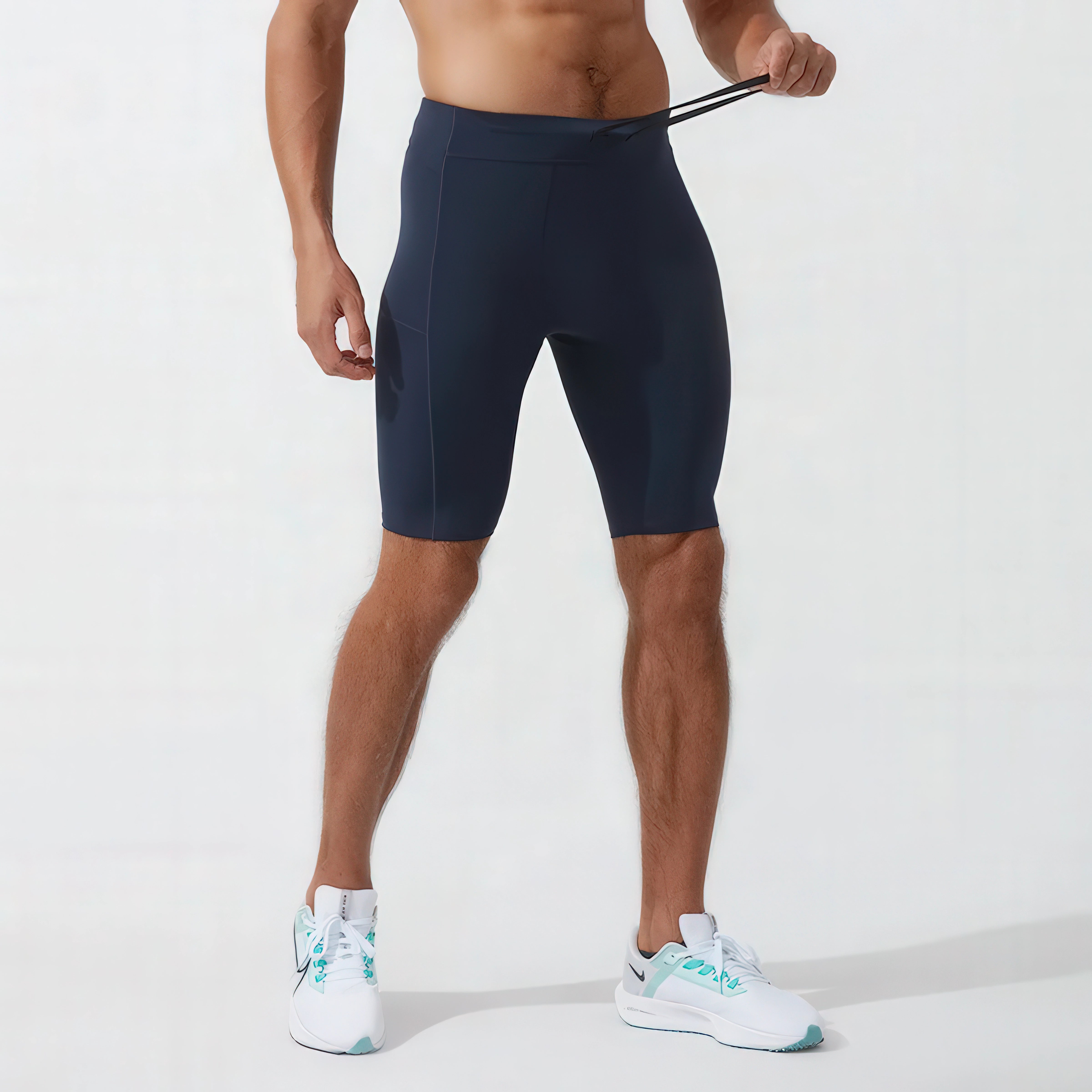
| Compression shorts | 2 pairs | Base layer for every session |
| Training joggers | 1–2 pairs | For cooler months and outdoor training |
| Compression top | 1 | Long or short sleeve |
| Training hoodie | 1 | Warm-up and pump cover |
| Long sleeve top | 1 | Cooler sessions |
Cost range: $450–700 NZD for a complete rotation
The Performance Wardrobe (15+ pieces)
For athletes training 5–6 days per week across multiple disciplines:
| Item | Quantity | Notes |
|---|---|---|
| Training shorts | 4–6 pairs | Mix of 2-in-1 and standard cuts |
| Training tees | 4–6 | Variety of colours |
| Training tanks | 2–3 | Mesh and standard options |
| Compression shorts | 3–4 pairs | Enough to train between laundry cycles |
| Training joggers | 2–3 pairs | Different weights for different conditions |
| Compression tops | 2 | Long and short sleeve options |
| Hoodies/jackets | 1–2 | One lightweight, one mid-weight |
| Recovery compression | 1–2 | For post-training recovery |
Cost range: $800–1,200+ NZD for a full performance rotation
"Your training wardrobe is an investment in consistency. When you have the right gear — clean, functional, and matched to your session — the friction between 'should I train?' and 'I'm training' disappears."
Training Gear by Workout Type
Weightlifting & Bodybuilding
Priorities: Durability, range of motion, muscle display
- Shorts: 4–5 inch inseam, four-way stretch, gusseted crotch — try Hybrid Workout Compression-Lined Shorts
- Top: Tank or fitted tee for upper-body days; compression base layer for leg days
- Outer layer: Lightweight hoodie as pump cover
- Accessories: Lifting belt (not apparel but essential), flat-soled training shoes
Running & Endurance
Priorities: Lightweight, chafe prevention, storage
- Shorts: 2-in-1 with compression liner, 4–5 inch inseam — MarathonEdge 2-in-1 Triangle Running Shorts
- Top: Singlet or ultra-lightweight tee
- Legs: Compression tights for cold-weather runs
- Key features: Reflective elements for low-light visibility, secure phone storage
HIIT & Functional Training
Priorities: Breathability, unrestricted movement, quick-drying
- Shorts: Mesh panels or ultra-breathable construction, 5–7 inch inseam
- Top: Tank or lightweight tee with maximum shoulder mobility
- Shoes: Cross-trainers with lateral support
- Key features: Split hems or side vents for lateral movement
Yoga & Mobility Work
Priorities: Stretch, comfort, coverage during inverted poses
- Shorts: Fitted or compression-style to prevent riding up during inversions
- Top: Fitted tee or tank that stays in place during downward dog
- Legs: Training joggers or tights for cooler studios
The Layering System
Training in variable conditions — outdoor sessions, poorly heated gyms in winter, or transitioning between indoor and outdoor work — requires a layering approach:
Layer 1: Base (against skin)
Purpose: Moisture management
- Compression short or brief
- Compression top or lightweight base tee
- Rule: Always moisture-wicking — never cotton against skin
Layer 2: Primary Training Layer
Purpose: Your main training garment
- Training shorts
- Training tee or tank
- Rule: Choose based on the session type, not just the temperature
Layer 3: Insulation/Warm-Up
Purpose: Heat retention during warm-up and rest periods
- Lightweight hoodie or training jacket
- Training joggers (over shorts for outdoor warm-ups)
- Rule: Easy to remove as your body temperature rises
Layer 4: Weather Protection (Outdoor)
Purpose: Wind and light rain protection
- Windbreaker or water-resistant shell
- Rule: Only necessary for outdoor training in adverse conditions
Australian Context: Training Through the Seasons
Summer (December–February)
- Primary: Mesh tanks, 4–5 inch shorts, ultra-lightweight tees
- Challenge: Managing extreme heat — prioritise ventilation and moisture-wicking
- Australian note: UV protection matters for outdoor trainers. Consider UPF-rated gear for beach workouts or outdoor circuits.
Autumn (March–May)
- Primary: Standard training shorts, short sleeve tees
- Add: Lightweight hoodie for early morning sessions
- Ideal training season: Moderate temperatures allow full effort without heat management concerns
Winter (June–August)
- Primary: Training joggers, long sleeve tops, compression base layers
- Add: Thermal compression shorts, training hoodie
- Australian note: Even "cold" Australian winters rarely require heavy gear. A quality jogger and hoodie combination is sufficient for most indoor gym environments. Outdoor trainers in Canberra, Melbourne, and Tasmania benefit from thermal compression layers.
Spring (September–November)
- Primary: Transition back to shorts and breathable tees
- Keep: Joggers for cool mornings, one hoodie for variable conditions
- Ideal training season: Like autumn, spring offers excellent training conditions
Gear Maintenance: Extending the Life of Your Investment
Quality training gear should last years, not months. The difference is in how you care for it:
Washing
- Cold water, inside out — preserves fabric treatments and prevents surface abrasion
- Separate by fabric type — don't wash heavy cotton hoodies with lightweight performance fabrics
- Skip fabric softener entirely — it coats moisture-wicking fibres and reduces their effectiveness permanently
- Close all zippers before washing to prevent snagging on other garments
Drying
- Air dry everything — dryers degrade elastic, spandex, and technical fabric coatings
- Hang shorts by the waistband — not folded over the line, which creates crease points
- Dry in shade — direct sun exposure fades colours and degrades synthetic fibres over time
Storage
- Fold, don't hang — hanging stretches shoulders on tees and tanks
- Store dry — even slight dampness promotes bacterial growth and odour
- Rotate actively — using a first-in, first-out rotation ensures even wear across your collection
Retirement Signals
- Elastic failure: Waistband no longer stays in place during movement
- Transparency: Fabric becomes see-through when stretched (especially across the seat on shorts)
- Permanent odour: Anti-odour treatments have been overwhelmed — the gear smells even immediately after washing
- Seam failure: Stitching is coming apart at stress points
- Compression fade: Compression shorts feel like regular tights with no supportive pressure
Related Products
Complete your training wardrobe with these performance essentials:
AirCore Compression Tank
Lightweight, breathable compression tank for high-intensity training
View Product →
HydroFlow Sports Hydration Vest
Integrated hydration system for endurance training and outdoor sessions
View Product →
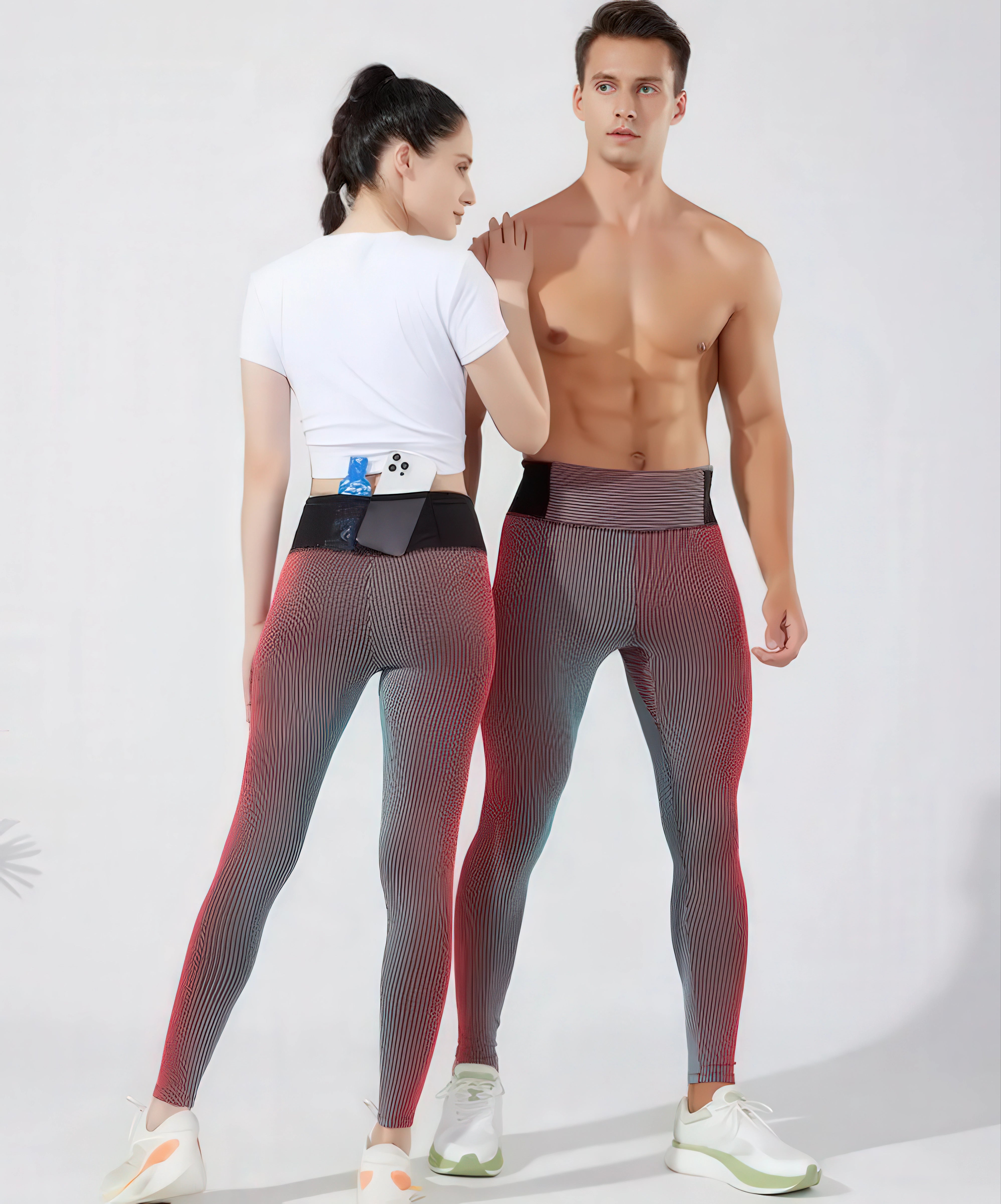
StrideLine Compression Tights
Marathon-grade compression tights for recovery and performance
View Product →
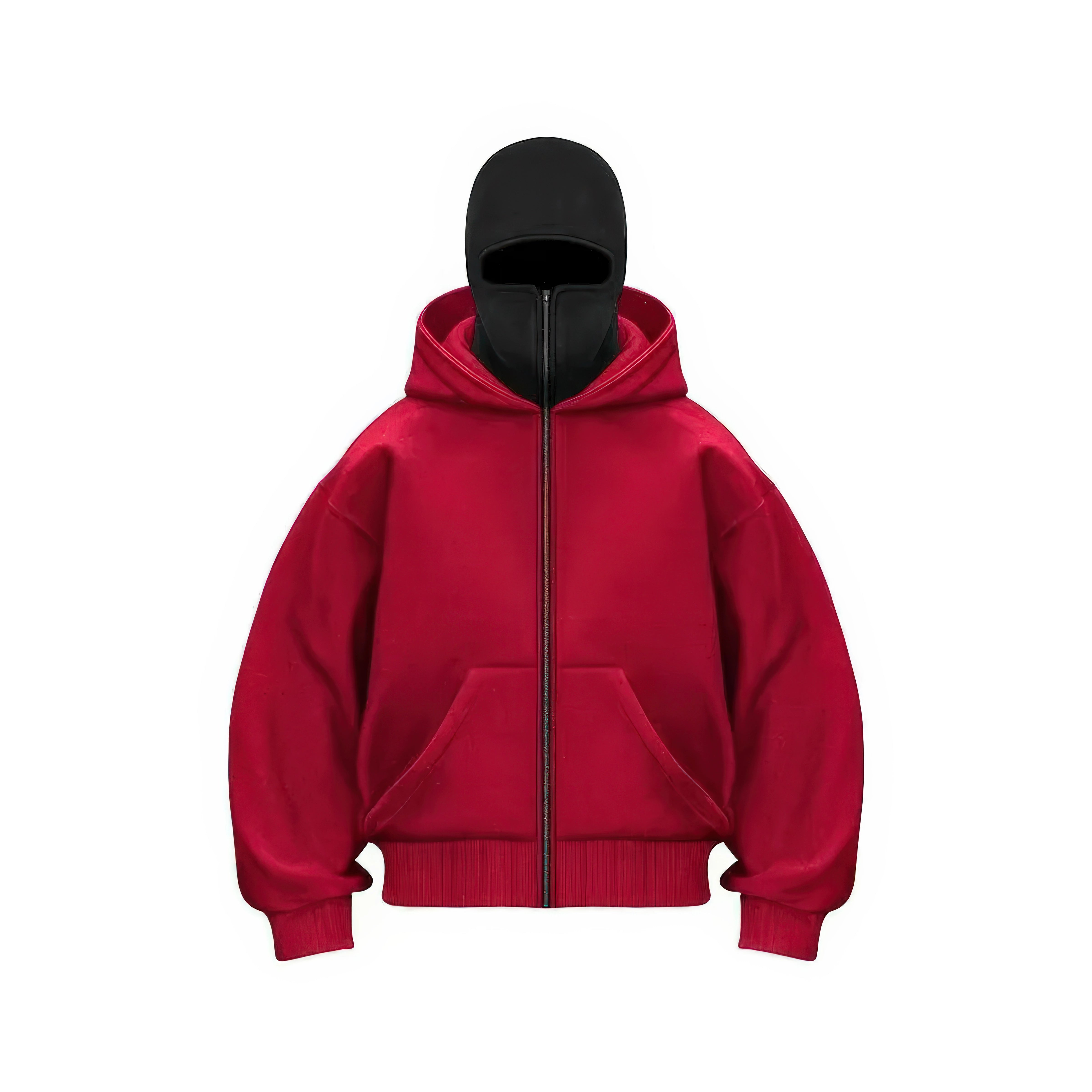
ShadowFlex Masked Zip Hoodie
Premium zip hoodie with masked design for post-workout comfort
View Product →
Frequently Asked Questions
Related Products
Complete your training wardrobe with these performance essentials:
AirCore Compression Tank
Lightweight, breathable compression tank for high-intensity training
View Product →HydroFlow Sports Hydration Vest
Integrated hydration system for endurance training and outdoor sessions
View Product →StrideLine Compression Tights
Marathon-grade compression tights for recovery and performance
View Product →ShadowFlex Masked Zip Hoodie
Premium zip hoodie with masked design for post-workout comfort
View Product →How many sets of gym clothes do I need?
For training 4–5 days per week: 4–5 pairs of shorts, 4–5 tops, and 2–3 sets of compression base layers. This allows you to train between laundry cycles without re-wearing sweaty gear.
Should I wear a tank top or t-shirt to the gym?
Tank tops provide superior shoulder mobility and ventilation — ideal for upper-body days, summer training, and physique-focused sessions. Tees offer more coverage and are the better choice for cooler conditions, contact drills, or if you prefer a more modest training style. Most athletes benefit from having both.
What's the best fabric for gym clothes?
Polyester-spandex blends (typically 85–90% polyester, 10–15% spandex) offer the best combination of moisture-wicking, four-way stretch, and durability for most training. For running and cardio, lighter nylon-spandex blends reduce weight while maintaining performance.
Do I need different gear for different types of workouts?
Yes — and it matters more than most men realise. Running in heavy training shorts leads to chafing. Lifting in running shorts that lack stretch restricts squat depth. HIIT in cotton becomes a sweat-soaked disaster. Matching your gear to your session type improves both performance and comfort.
How often should I replace my training gear?
With proper care, quality training shorts and tops should last 12–24 months of regular use (3–5 sessions per week). Compression garments have a shorter lifespan (6–12 months) because the elastic fibres degrade with each wear-wash cycle. Replace individual pieces when they show retirement signals, not on a calendar schedule.
Can I wear my training gear casually?
Modern training apparel with clean design and premium fabric transitions well to casual wear. Training joggers, in particular, have become a staple of men's casual style. The key is choosing pieces without excessive branding or overtly "gym-only" aesthetics.
The Bottom Line
Your training wardrobe is an investment in consistency. When you have the right gear — clean, functional, and matched to your session — the friction between "should I train?" and "I'm training" disappears.
Start with the essentials. Build over time. Treat your gear well. And remember: the best training gear is the gear that gets worn — session after session, week after week, year after year.
Dress for the work. Show up. Perform.
Shop the Collection
Build your complete training wardrobe
- Performance shorts, tanks, tees, joggers & compression layers
- Moisture-wicking fabrics engineered for real training
- Designed for Australian conditions and year-round sessions
References & Citations
This guide is part of the MYOVV Performance Knowledge Base. Related reading:
- Men's Gym Shorts: The Complete Guide to Performance, Fit & Style
- Men's Compression Shorts: Performance, Recovery & the Science of Supportive Gear
- MYOVV.com — Build your complete training wardrobe
Sources: MYOVV product performance specifications; industry fabric standards for polyester-spandex performance blends; athlete training apparel best practices for moisture management, layering, and garment care.



Leave a comment
This site is protected by hCaptcha and the hCaptcha Privacy Policy and Terms of Service apply.