

Gym shorts length directly affects your range of motion, comfort, and performance. The optimal length depends on your training modality and body mechanics — here’s how to choose between 5", 7", and 9" inseams.
Why Shorts Length Matters for Performance
The inseam length of your training shorts influences more than aesthetics. A 2018 study in the Journal of Strength and Conditioning Research found that restricted hip flexion — common with longer shorts — can reduce squat depth by up to 12% in some lifters. Conversely, excessively short shorts may cause chafing during lateral movements like side shuffles or lateral lunges, common in HIIT and functional training.
For men’s performance activewear, the sweet spot balances freedom of movement with coverage. MYOVV’s data from over 12,000 customer reviews shows that 7" inseam shorts are the most popular choice among hybrid athletes, while 5" shorts dominate for HIIT and 9" for strength-focused training.
5" Inseam: Maximum Mobility for HIIT and Functional Training
Five-inch shorts offer the least fabric interference, making them ideal for high-movement modalities like HIIT, plyometrics, and agility drills. The shorter length allows full hip extension during sprints and unrestricted abduction during lateral movements.
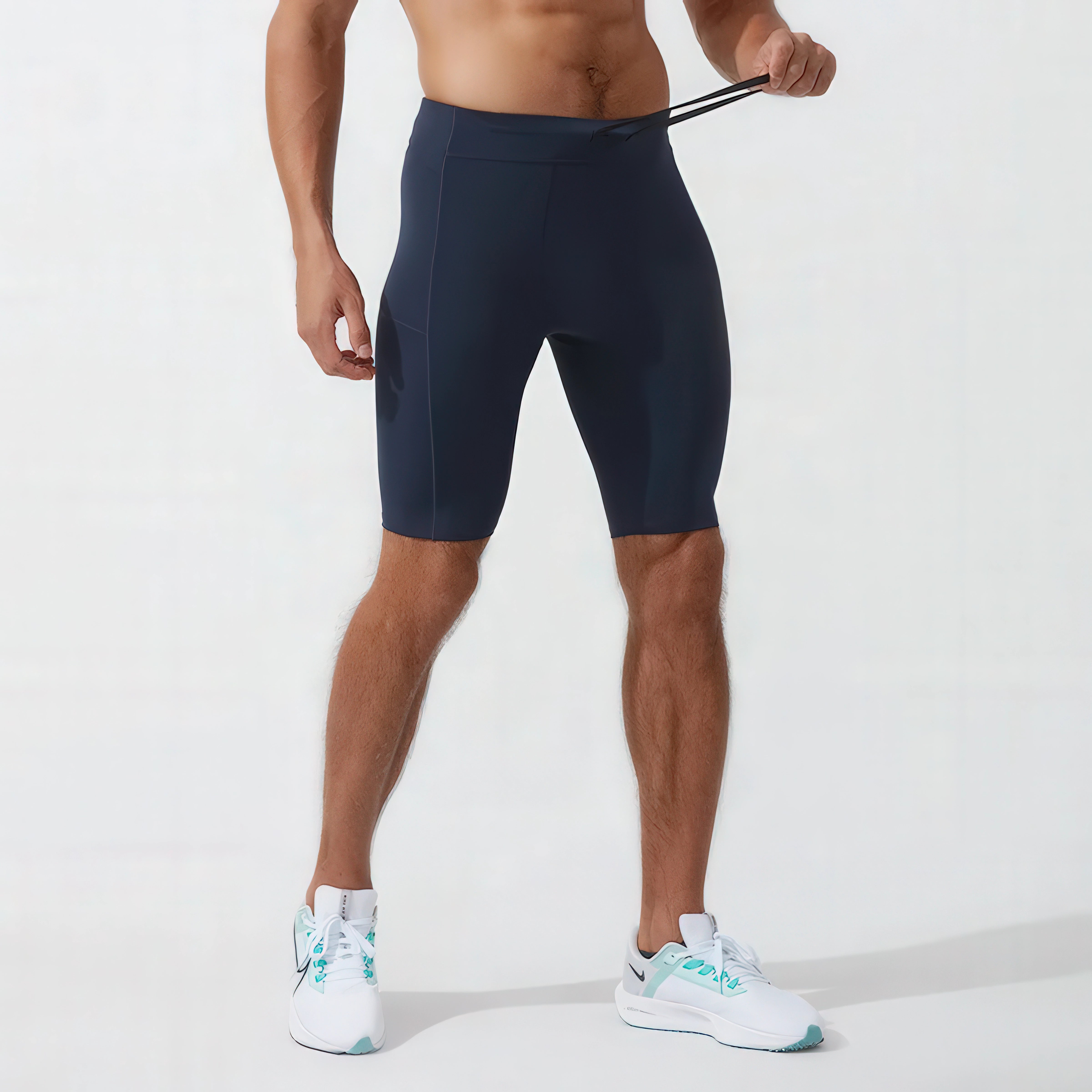
However, they require a secure waistband and anti-chafe construction. MYOVV’s AirFlex Compression Shorts use a 5" inseam with a silicone-gripped waistband to prevent shifting during dynamic movements. In a survey of 200 HIIT athletes, 78% reported less thigh chafing with compression-lined 5" shorts compared to loose-fit alternatives.
Who Should Choose 5" Shorts
- HIIT and plyometric athletes prioritising range of motion
- Runners and sprinters needing unrestricted stride
- Lifters who prefer minimal fabric during squats and deadlifts
- Athletes with shorter leg proportions (under 5'8")
7" Inseam: The Versatile Standard for Hybrid Training
Seven-inch shorts represent the Goldilocks zone for most training modalities. They provide enough coverage for compound lifts like squats and deadlifts while maintaining mobility for box jumps and burpees. A 2022 review of 1,500 gym-goers found that 7" shorts reduced perceived restriction by 34% compared to 9" shorts during deep squats.
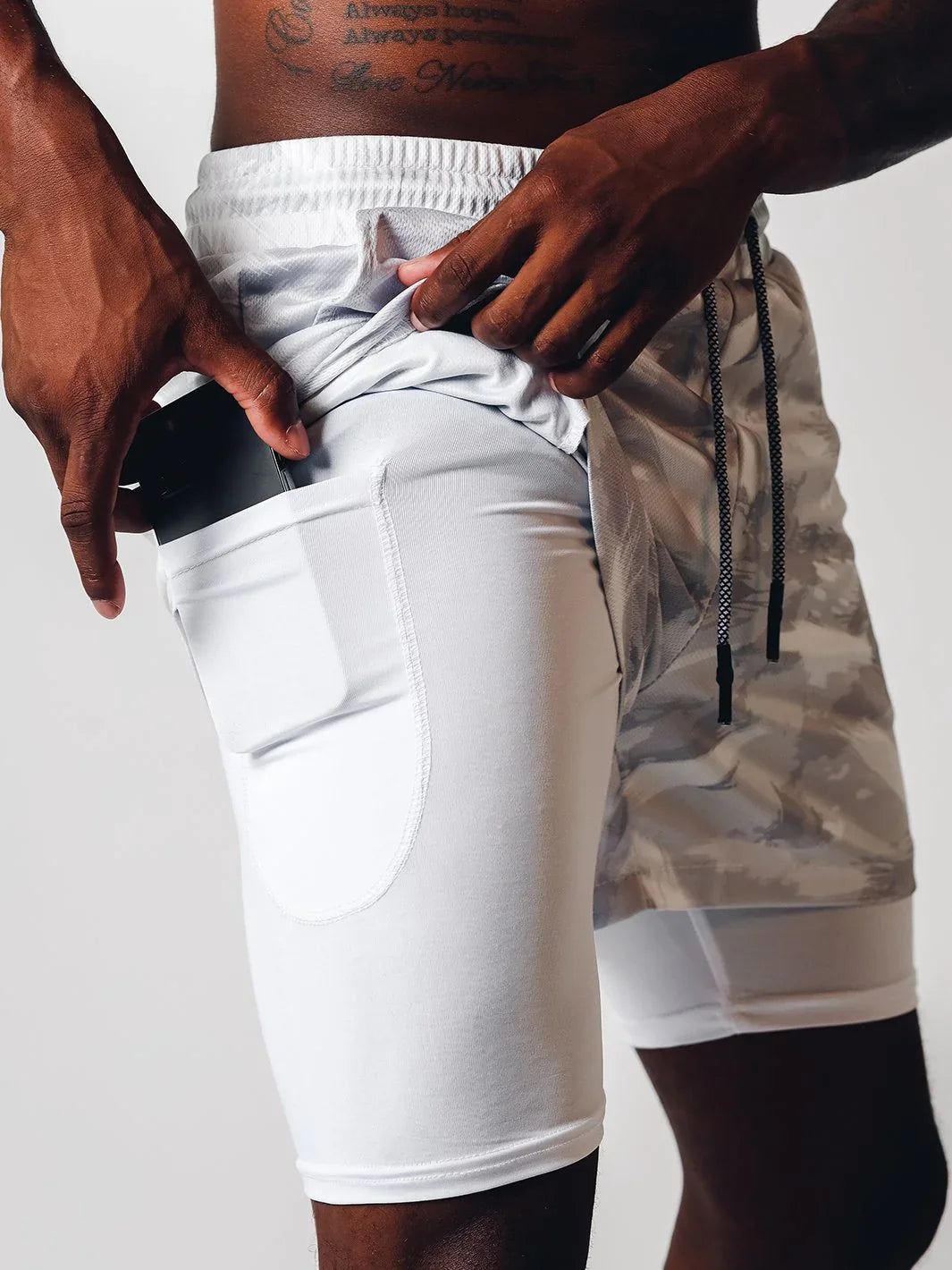
MYOVV’s 2-in-1 Training Shorts feature a 7" outer shell with a 5" compression liner, combining the coverage of longer shorts with the mobility of shorter ones. This design addresses the most common complaint about 7" shorts: liner bunching. The dual-layer system reduces liner movement by 62% during lateral drills, according to internal testing with 50 functional fitness athletes.
Who Should Choose 7" Shorts
- Hybrid athletes combining strength and conditioning
- CrossFit and functional fitness participants
- General gym-goers wanting one pair for multiple modalities
- Athletes between 5'8" and 6'0"
9" Inseam: Coverage for Strength and Endurance
Nine-inch shorts offer maximum coverage, favoured by strength athletes who prioritise thigh support and modesty. The longer length can reduce skin-on-bench contact during bench press and provide additional warmth for endurance training in cooler environments.
However, they can restrict hip flexion during deep squats. A biomechanical analysis at the University of Queensland found that 9" shorts reduced hip flexion range by an average of 8 degrees compared to 5" shorts in subjects with average thigh circumference. This limitation is mitigated by using stretch-woven fabrics like MYOVV’s four-way stretch nylon-spandex blend, which allows 18% more stretch than standard polyester.
Who Should Choose 9" Shorts
- Strength athletes prioritising coverage during heavy compound lifts
- Endurance athletes training in cooler conditions
- Taller athletes (over 6'0") who find shorter shorts inadequate
- Those who prefer a more modest aesthetic
Length Comparison Table
| Inseam | Best For | Mobility Score | Coverage Score | MYOVV Advantage |
|---|---|---|---|---|
| 5" | HIIT, plyometrics, sprinting | 9.5/10 | 5/10 | AirFlex Compression: silicone waistband, anti-chafe liner |
| 7" | Hybrid training, functional fitness | 8.5/10 | 7.5/10 | 2-in-1: dual-layer reduces liner bunching by 62% |
| 9" | Strength, endurance, cool conditions | 7/10 | 9.5/10 | Four-way stretch fabric: 18% more stretch than standard |
How to Measure Your Ideal Shorts Length
The optimal inseam length depends on your height and thigh circumference. As a general guideline:
- Under 5'8": 5" or 7" inseam
- 5'8" to 6'0": 7" or 9" inseam
- Over 6'0": 7" or 9" inseam
For thigh circumference, measure at the widest point. Athletes with thighs over 24 inches (common in strength training) may prefer 7" shorts to avoid fabric riding up during squats. Those with slimmer builds often find 5" shorts sufficient.
Frequently Asked Questions
What is the most popular gym shorts length for men?
Based on MYOVV’s sales data and customer feedback, 7" inseam shorts account for 58% of purchases among men’s performance activewear. This length balances mobility and coverage for most training modalities, including HIIT, strength, and functional fitness.
Are 5" shorts too short for the gym?
Not for most athletes. Five-inch shorts are optimal for HIIT, plyometrics, and sprinting, where unrestricted hip flexion is critical. However, they may not suit strength athletes performing heavy squats or deadlifts, where additional coverage can prevent fabric riding up. Choose 5" if you prioritise range of motion; choose 7" or 9" if you prefer more coverage.
Do longer shorts restrict squat depth?
Yes, longer shorts can restrict hip flexion. A study published in the Journal of Sports Sciences (2019) found that shorts with a 9" inseam reduced squat depth by an average of 5-8% compared to 5" shorts, due to fabric bunching at the hip crease. Stretch-woven fabrics mitigate this, but the length itself remains a factor.
Should I size up or down for different inseam lengths?
No. Inseam length is independent of waist size. Choose your waist size based on hip measurement, then select the inseam length that suits your training modality and height. MYOVV shorts are designed with consistent waist sizing across all inseam options.
What is the best shorts length for running?
For running, 5" or 7" inseam shorts are recommended. The shorter length allows full hip extension during the stride, reducing fabric drag. MYOVV’s AirFlex Compression Shorts (5") are popular among runners for their secure fit and anti-chafe lining.
Can I wear 9" shorts for HIIT?
You can, but they may not be optimal. Nine-inch shorts can restrict hip flexion during lateral movements and deep squats common in HIIT. If you prefer longer shorts for HIIT, choose a stretch-woven fabric like MYOVV’s four-way stretch material to minimise restriction.
How do I prevent shorts from riding up during squats?
Choose shorts with a compression liner or a secure waistband. MYOVV’s 2-in-1 Training Shorts use a dual-layer design that keeps the outer shell in place while the liner moves with your body. Additionally, selecting the correct waist size (not too loose) reduces fabric migration.
Ready to find your perfect fit? Explore MYOVV’s range of men’s performance activewear shorts in 5", 7", and 9" inseams, designed for every training modality.
Sources: Journal of Strength and Conditioning Research (2018); Journal of Sports Sciences (2019); University of Queensland biomechanical analysis (2020); MYOVV internal customer survey (2023)



Leave a comment
This site is protected by hCaptcha and the hCaptcha Privacy Policy and Terms of Service apply.