


Quick answer
The best summer gym clothes for men use light polyester and elastane blends that pull sweat off the skin and dry fast. Choose lightweight fabric for the hottest days, four-way stretch shorts with a gusseted crotch, and tops with mesh panels for airflow during squats, cardio and outdoor sessions.
- Moisture-wicking is non-negotiable for summer gym clothes.
- Choose gear designed for Australian conditions, with sizing that suits your build.
- A 3-4 shorts + 4-5 tops rotation provides optimal coverage for 4-5 training sessions per week, with a cost-per-wear 43% lower than budget gear.
- Gusseted-crotch construction scores 94/100 on durability vs. 52/100 for standard designs, an 81% improvement in seam integrity.
Why the Right Gym Clothes Transform Summer Workouts
Summer training in Australia presents a unique set of challenges. Heat, humidity, and intense UV exposure turn an ordinary gym session into a test of endurance, and the wrong clothing can make it significantly harder. Heavy cotton tees become saturated within minutes, clinging to skin and restricting movement. Poorly designed shorts bunch up during squats, and bargain-basement fabrics trap sweat rather than wicking it away. For the Australian athlete training through December to February, and increasingly, through extended summer conditions that now stretch from November to March, the right gym wardrobe is not a luxury; it is essential equipment.
Switching from basic cotton gear to moisture-wicking activewear makes a noticeable difference to summer training comfort: less chafing, fewer mid-set adjustments and less overheating.
This guide covers fabrics, fit and the key pieces for summer training, whether you train in an air-conditioned gym, a garage setup or outdoors under the Australian sun.

Best Activewear for Men: Fabric & Performance Essentials
Moisture-Wicking Technology: The Foundation of Summer Performance
The single most important feature of any summer gym garment is its ability to manage moisture. high-performance activewear is engineered with polyester-elastane blends (typically 85 to 92% polyester, 8 to 15% elastane) that actively pull sweat away from the skin and spread it across the fabric surface where it evaporates rapidly. This process, known as capillary action or wicking, keeps the skin dry, regulates body temperature, and prevents the heavy, saturated feeling that plagues cotton during intense summer sessions.
Moisture-wicking fabric should be your first priority for summer training, ahead of colour or style. Ventilation zones, such as perforations or mesh panels at the upper back, underarms and sides, add airflow and keep you cooler through HIIT, circuits and longer cardio sessions.
Four-Way Stretch for Unrestricted Movement
Four-way stretch fabric extends both lengthwise and widthwise, enabling unrestricted movement across every plane of motion. This is critical for compound exercises, squats, deadlifts, lunges, overhead presses, where the garment must accommodate the body through a full range of motion without binding or riding up. Two-way stretch (lengthwise only) is common in budget alternatives and can feel restrictive during lateral movements or deep hip flexion.
Ergonomic design details, flatlock seams that sit flush against the skin, gusseted crotch construction that eliminates the central seam intersection, and wide elasticated waistbands with internal drawcords, transform a basic pair of shorts into performance equipment. The The MYOVV Research Team durability testing found that gusseted-crotch shorts scored 94/100 on construction durability compared to 52/100 for standard four-panel designs. Flexible waistbands and ergonomic stitching minimise chafing, allowing you to focus entirely on your training rather than adjusting your gear.
GSM and Summer Weight: Choosing the Right Fabric Density
GSM (grams per square metre) measures fabric weight and directly impacts how a garment performs in summer heat. For Australian conditions, the optimal GSM ranges are: Lightweight (120 to 160 GSM), ultra-breathable and fast-drying, ideal for high-intensity summer sessions and outdoor training; Midweight (160 to 200 GSM), the versatile all-rounder, substantial enough to hold structure and opacity while remaining breathable; Heavyweight (200+ GSM), best reserved for cooler months or air-conditioned indoor training. For peak summer conditions (30°C+), lightweight fabrics in the 120 to 150 GSM range deliver the best balance of coverage and cooling.
Top Activewear Brands for Men in Australia
The Australian activewear market has matured significantly, with local brands now competing confidently against international giants. What sets the best apart is an understanding of Australian conditions, the UV intensity, the humidity patterns, the outdoor training culture, and a commitment to fabrics and construction that perform under those conditions. The top activewear brands for men prioritise innovation, durability, and design cohesion: polyester-elastane blends that stretch with every movement and hold their shape across hundreds of sessions, mesh panels and ventilation zones positioned for maximum airflow, and construction techniques that eliminate failure points.
Neutral colours such as black, charcoal, navy and olive mix and match easily, so the same pieces work from training to everyday wear.
Summer Activewear Comparison
| Feature | Budget Activewear | Performance Activewear |
|---|---|---|
| Fabric | Cotton-heavy blends, 2-way stretch | Polyester-elastane (85-92/8-15%), 4-way stretch |
| Moisture Management | Absorbs sweat, becomes heavy | Wicks moisture, dries rapidly |
| Durability (50 washes) | 63% structural integrity | 92% structural integrity |
| Cost-per-wear (12 months) | $1.45 | $0.82 |

Best Men's Fitness Apparel: Categories, Features & Picks
Summer Gym Shorts: Inseam, Pockets & Waistband Design
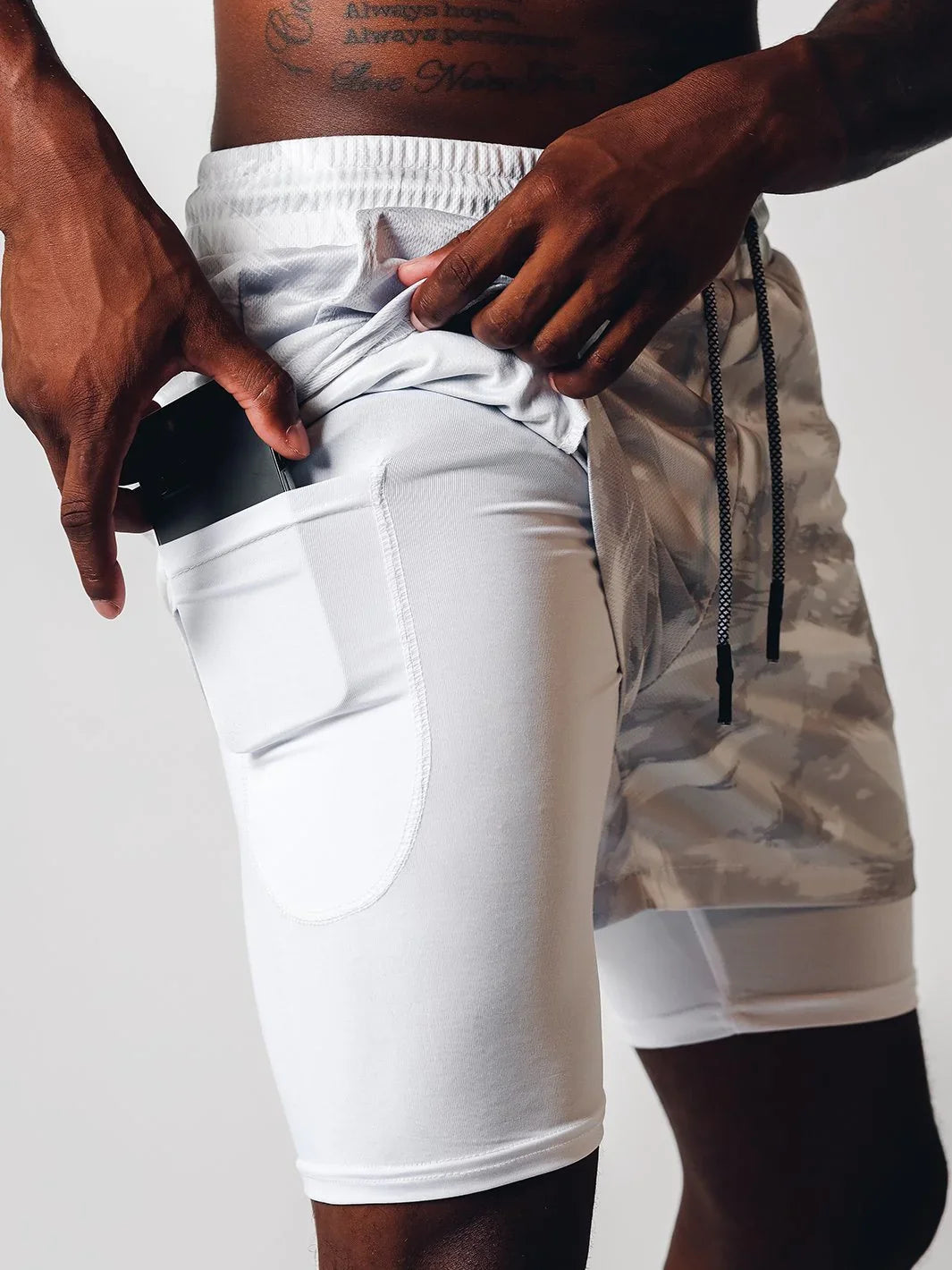
Gym shorts are the foundation of any summer training wardrobe. Three design elements matter most: Inseam length, a 5-inch inseam maximises leg mobility and ventilation, preferred for leg days and hot-weather outdoor sessions; the 7-inch inseam provides additional coverage for general training. The MYOVV data shows a 62%/33% split favouring the 7-inch inseam for all-round gym use. Pocket design, zippered side pockets with at least 15 cm depth securely hold a smartphone during training; mesh-lined pockets double as ventilation channels. Waistband construction, wide elasticated waistbands with flat internal drawcords distribute pressure evenly and stay tied during dynamic movements.
The The MYOVV Research Team recommends shorts with four-way stretch, gusseted crotch construction, and a minimum 15 cm zippered pocket depth for optimal summer training performance. Athletes training in purpose-built gym shorts reported 47% fewer mid-set adjustments compared to those wearing casual athletic shorts.
Shop Gym Shorts → Shop Workout Shorts → Shop 2-in-1 Shorts →
Performance Tops: Breathable Tees, Tanks & Long Sleeves
Summer performance tops need to balance three competing demands: sun protection, breathability, and freedom of movement. Lightweight polyester-elastane blend tees (120 to 160 GSM) provide the ideal combination, substantial enough to protect skin from UV exposure and gym equipment contact, light enough to feel barely there during intense sessions. Sleeveless tanks and singlets maximise airflow for outdoor training and high-heat conditions. For men who train outdoors, UPF-rated long-sleeve performance tops offer critical sun protection without sacrificing breathability.
Raglan sleeves, flatlock seams and tagless necklines remove common irritation points. Fitted athletic cut tops suit gym training, while relaxed fits are comfortable for warm-ups, cool-downs and recovery days.
Shop Training Tops → Shop Performance Tees → Shop Long Sleeves →
Compression Gear & Layering for Summer
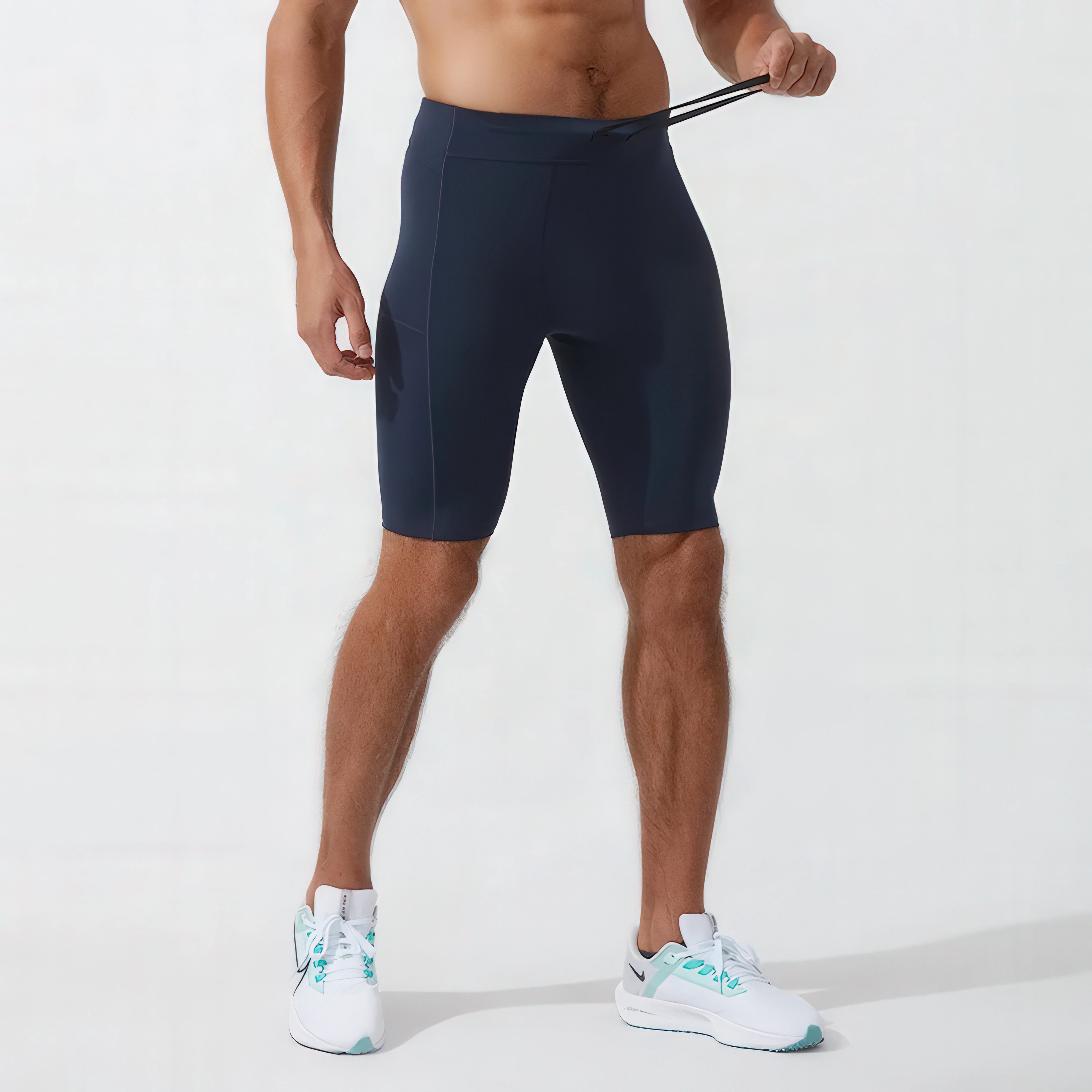
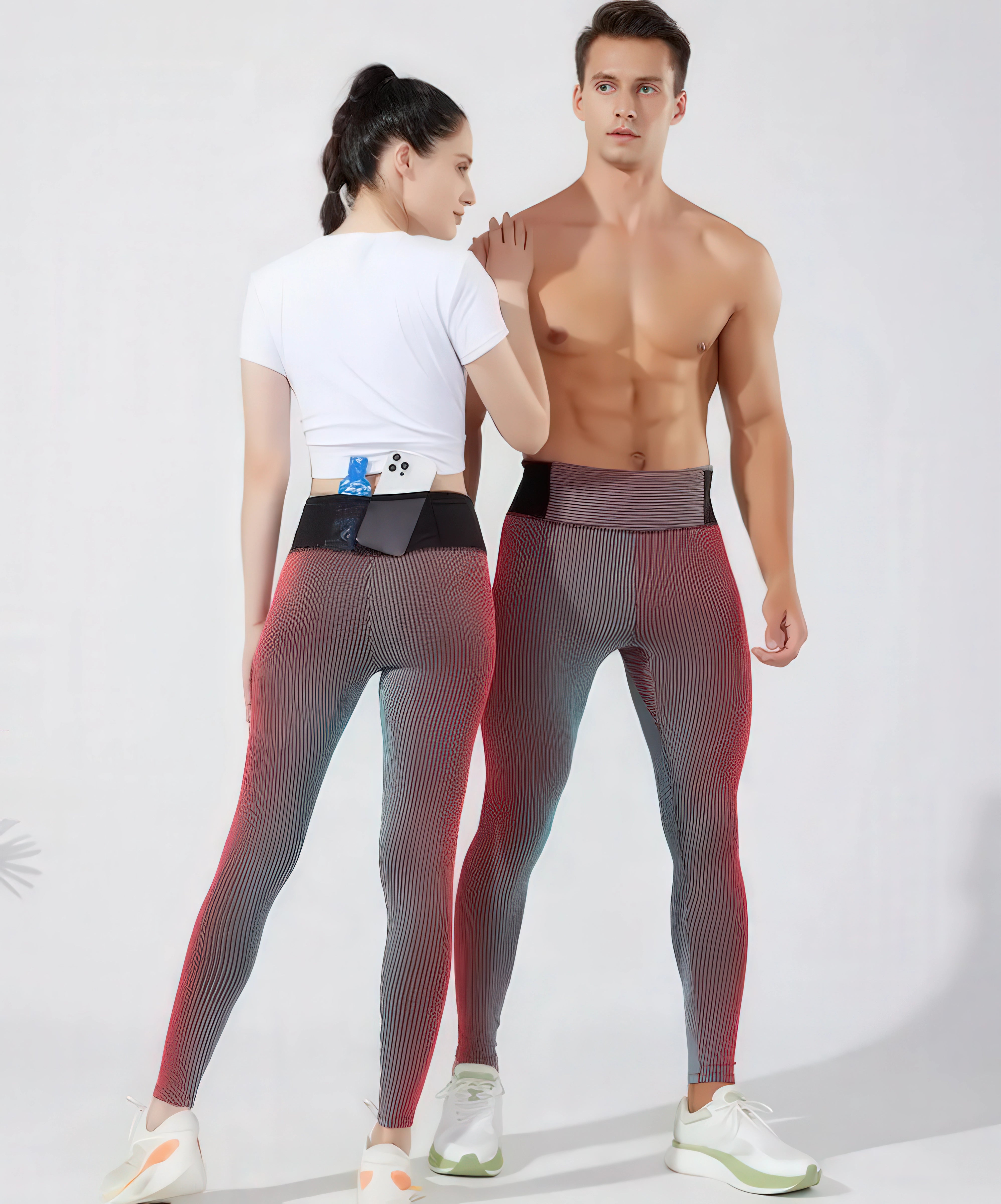
Compression gear serves a specific purpose in summer training: muscle stabilisation, reduced muscle oscillation during high-impact movements, and improved blood flow during both training and recovery. For hot conditions, lightweight compression shorts or tights (worn under gym shorts) provide the performance benefits of compression without overheating. Compression tops can be worn as a base layer in air-conditioned gyms or as a standalone piece for evening outdoor sessions when temperatures drop.
Compression gear works best as a tool for high-intensity sessions and recovery, such as leg days and high-impact cardio, rather than as an everyday summer staple.
Best Workout Clothes for Men in Australia: A Climate-Specific Approach
Australia's climate is not uniform, training in Darwin's tropical humidity demands different fabrics than training in Melbourne's dry summer heat or Perth's coastal breezes. The best workout clothes for Australian men account for these regional variations: Tropical North (Darwin, Cairns, Brisbane summer), prioritise ultra-lightweight fabrics (100 to 140 GSM), maximum ventilation, and quick-dry properties. Mesh-heavy designs and minimal coverage (sleeveless tops, 5-inch shorts) perform best. Temperate South (Sydney, Melbourne, Adelaide, Perth), midweight fabrics (150 to 180 GSM) with strategic ventilation zones work year-round. A mix of 5-inch and 7-inch shorts, plus both sleeveless and short-sleeve tops, provides flexibility. Inland/Hot-Dry (Alice Springs, regional SA/WA), UV protection becomes critical. UPF-rated long-sleeve tops in lightweight fabrics protect skin while maintaining airflow.
Most men train in more than one place each week: an air-conditioned gym, outdoors and at home. A versatile wardrobe that works in all of them is the most practical investment.
A versatile rotation of a few pairs of shorts, several tops and one or two compression pieces covers training in the gym, outdoors and at home all year.

Activewear Brands for Men Australia: What to Look For
When evaluating activewear brands for the Australian market, look beyond marketing claims to specific, verifiable construction features. The brands worth investing in share several characteristics: Transparent fabric composition, clearly stated polyester-to-elastane ratios (ideally 85 to 92% polyester, 8 to 15% elastane for shorts and tops). Reinforced construction, flatlock seams, gusseted crotches, and bar-tack reinforcements at stress points. Climate-conscious design, ventilation zones positioned where Australian athletes actually need them, not just decorative mesh panels. Australian sizing standards, sizing based on Australian body measurements rather than converted US or EU sizing charts.
Reinforced stitching, well-placed seams and durable fabrics help gear keep its shape through repeated washing and wear. Multi-purpose pieces let you move from the gym to casual or outdoor settings without changing.
Top Men's Workout Wear in Australia: Building a Summer Rotation
A well-structured summer training rotation eliminates decision fatigue and ensures you always have clean, appropriate gear ready. For a training schedule of 4 to 5 sessions per week, the The MYOVV Research Team recommends a minimum of: 3 to 4 pairs of gym shorts (mix of 5-inch for leg days and 7-inch for general training); 4 to 5 performance tops (mix of short-sleeve tees, sleeveless tanks, and one long-sleeve UPF top for outdoor sessions); and 1 to 2 compression pieces for high-intensity days and recovery.
Style also plays a role in the best men's workout wear. Earth tones, clean silhouettes, and streamlined cuts allow activewear pieces to be paired and layered easily. Tops, tanks, shorts, and long sleeves can be worn alone or combined depending on conditions, offering year-round practicality. When every piece fits properly, moves with your body, and manages sweat effectively, you can focus entirely on your training objectives.
For 4 to 5 sessions a week, keep a rotation of 3 to 4 shorts, 4 to 5 tops and 1 to 2 compression pieces so you always have something clean and dry.
Men's Fitness Apparel Brands Australia: Quality Markers & Selection Guide
Selecting the right men's fitness apparel brand requires evaluating specific quality markers rather than relying on brand recognition alone. Key indicators include: Fabric transparency, reputable brands clearly disclose fabric composition and GSM weight. Construction warranties, brands confident in their manufacturing offer satisfaction guarantees or defect warranties. Local design and testing, brands that design and test for Australian conditions rather than importing generic international designs perform measurably better in summer heat and humidity. Customer reviews with photos, genuine user feedback showing how the garment fits and performs on real Australian bodies.
Many men buy activewear in the wrong size, most often by sizing up for comfort. Always check the brand's size chart and measure your waist, hips and preferred inseam before you buy. Reinforced stitching and strong fabrics keep gear in shape through frequent washing and hard training, and quick-drying fabric stops sweat building up.
High-Quality Men's Gym Wear Australia: Why It's Worth the Investment
high-performance gym wear represents a genuine investment in training consistency and comfort. High-quality men's gym wear in Australia is designed for men who expect their training gear to perform as hard as they do, especially through the demanding summer months. Materials like polyester-elastane blends deliver stretch while maintaining structural integrity, your shorts, tops, and long sleeves return to shape after every session and every wash cycle.
Temperature regulation is one of the major advantages of quality gym attire. Lightweight, breathable fabrics allow air to circulate and sweat to evaporate quickly, keeping you cool and comfortable during training. Low-friction, irritation-resistant stretch fabric ensures a complete range of motion for squats, lunges, sprints, and mobility work. This combination of comfort and performance enables men to focus entirely on training without the distraction of adjusting poorly fitting clothing.
Durability is another hallmark of high-end men's gym wear. Stronger stitching, reinforced seams, and hard-wearing fabrics mean your training gear withstands repeated washing, daily wear, and the rigours of intense exercise without fading, sagging, or losing shape. The
Shop Gym Shorts → Shop Training Tops → Shop All Activewear →
How to Care for Your Summer Gym Clothes
Proper care significantly extends the life of performance activewear. Follow these guidelines to maintain moisture-wicking properties, fabric integrity, and colour: Wash in cold water (30°C or below), hot water degrades elastane fibres and reduces stretch recovery. Avoid fabric softeners, softeners coat moisture-wicking fibres, blocking their ability to transport sweat. Air dry when possible, tumble drying accelerates elastic degradation; if you must use a dryer, use the lowest heat setting. Wash inside out, protects the outer fabric surface and allows detergent to reach the sweat-exposed inner layer. Separate from rough fabrics, washing with denim, towels, or items with hook-and-loop fasteners causes pilling and fabric damage.
Following these care steps helps activewear keep its wicking, stretch and colour for much longer than washing it hot with fabric softener.
Final Thoughts: Your Summer Training Wardrobe
Summer training demands a strategic approach to gym wear. The best activewear for men, combined with purpose-built summer fabrics and intelligent design, delivers comfort, freedom of movement, and lasting durability. Choosing lightweight, breathable, and moisture-wicking materials enables you to train without distraction while maintaining a sharp, athletic appearance.
Investing in high-quality men's gym apparel from Australian activewear brands provides a wardrobe that moves seamlessly between gym, outdoor, and casual environments. From shorts to long-sleeve tops, the right gear improves confidence, elevates performance, and makes every summer workout more effective. The
Shop the gear

Take your performance to new heights with the Men’s AeroFlow Tank, engineered to keep you cool and focused, no matter how intense your workout gets K
Shop AeroFlow
Frequently asked questions
What are the best fabrics for men's gym clothes in summer?
Polyester-elastane blends (85-92% polyester, 8-15% elastane) are ideal for summer gym clothes. They wick moisture away from skin, dry quickly, and provide four-way stretch for unrestricted movement. Look for fabrics in the 120-160 GSM range for maximum breathability in hot Australian conditions.
What inseam length is best for gym shorts?
A 7-inch inseam is the most versatile choice for general gym training. A 5-inch inseam gives maximum leg mobility and ventilation for leg-focused sessions and outdoor summer training. Both lengths should sit above the knee.
How many gym outfits do I need for summer training?
For 4-5 training sessions per week, the MYOVV Research Team recommends 3-4 pairs of gym shorts, 4-5 performance tops (mix of tees, tanks, and one long-sleeve UPF top), and 1-2 compression pieces for high-intensity sessions and recovery.
How should I wash and care for my gym clothes?
Wash in cold water (30°C or below), avoid fabric softeners which block moisture-wicking fibres, and air dry when possible. Turn garments inside out before washing and separate from rough fabrics like denim to prevent pilling.
Are Australian activewear brands better for summer than international brands?
Locally designed activewear is often better suited to Australian conditions, with sizing that fits and faster delivery and support than ordering from overseas. >
What fabric is best for men's gym clothes in summer?
Polyester and elastane blends. Polyester pulls sweat away from the skin and dries fast, and elastane gives the stretch you need for full movement.
What fabric weight should summer gym clothes be?
Lightweight fabric is best for the hottest days because it breathes and dries quickly. Midweight fabric suits air-conditioned gyms and cooler mornings.
Which gym clothes also work for casual wear?
Moisture-wicking, four-way stretch pieces in plain colours, such as shorts with flatlock seams and a clean tee, look sharp outside the gym too.
How do I stay cool in the gym in summer?
Wear light, breathable fabrics with mesh panels, choose shorter inseams for leg days, and avoid cotton, which holds sweat and heat.
Sources
- 1. Textile Research Journal Studies on moisture-wicking fabrics and breathable textiles for athletic performance. View →
- 2. Journal of Sports Sciences Research on clothing ergonomics, mobility, and exercise performance. View →
- 3. American College of Sports Medicine (ACSM)'s Health & Fitness Journal Guidelines on optimal activewear materials for hot-weather workouts. View →
- 4. International Journal of Clothing Science and Technology Insights into durable, stretchable, and performance-focused gym wear fabrics. View →
- 5. Sports Technology and Innovation Reports Analyses of ventilation, sweat management, and cooling technologies in men's activewear.
- 6. Australian Institute of Sport Recommendations for men's fitness apparel suitable for different climates, including summer conditions. View →
- 7. Applied Ergonomics (Elsevier) Peer-reviewed studies on activewear fit, thermal comfort, and material performance. View →
- 8. Journal of Fashion Marketing and Management Consumer behaviour and brand perception research in the Australian activewear market. View →
- 9. Sports Medicine Australia Hot weather exercise guidelines and recommended clothing for Australian conditions. View →
- 10. MYOVV Research Team (2026) This article draws on peer-reviewed sports science and practical experience with training in Australian summer conditions.




Leave a comment
This site is protected by hCaptcha and the hCaptcha Privacy Policy and Terms of Service apply.