

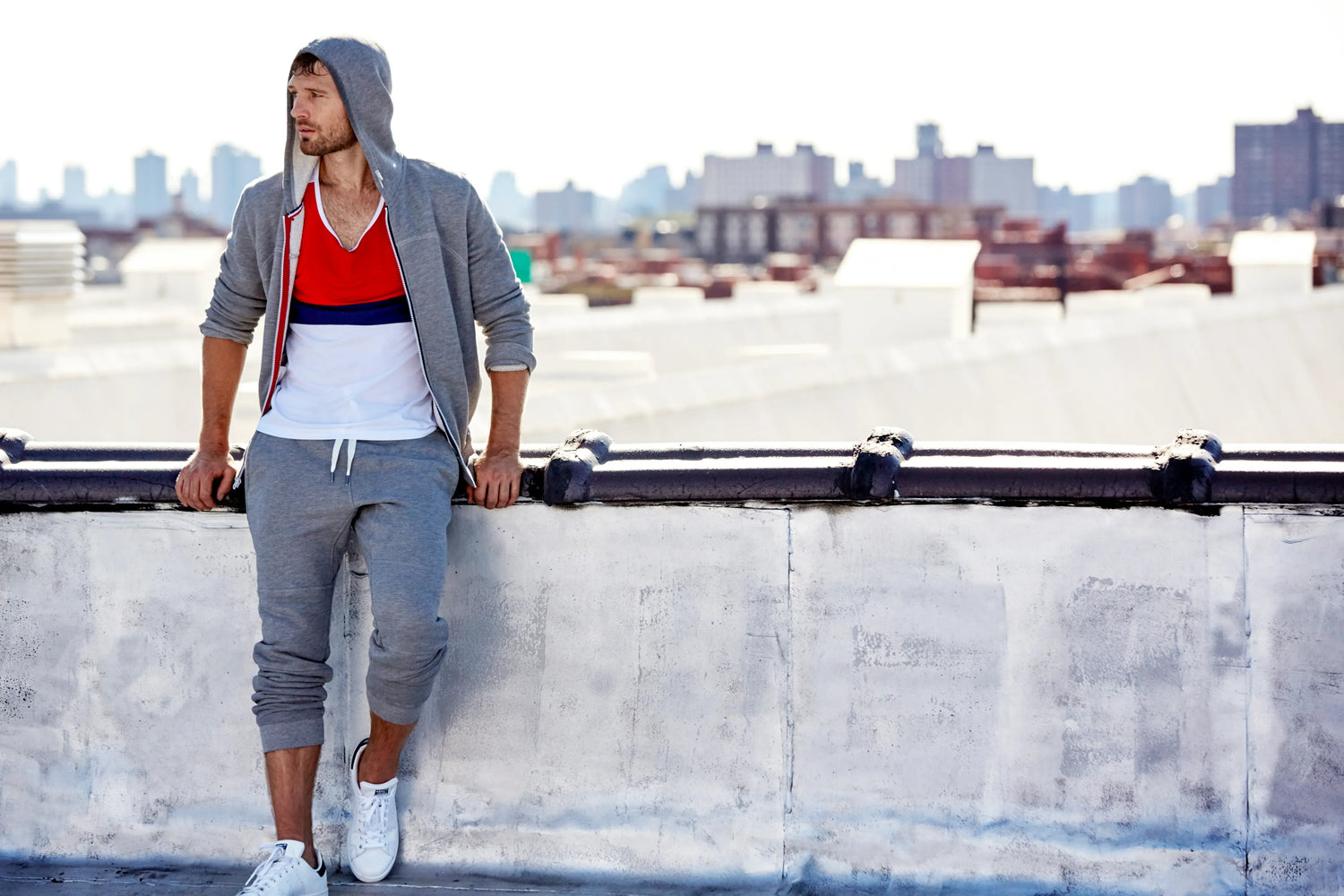
Why the Right Activewear Can Transform Your Training
Daniel, a 28-year-old from Melbourne, spent years grinding through gym sessions in faded cotton tees and baggy basketball shorts he'd owned since uni. He treated activewear as an afterthought — something to throw on, sweat through, and toss in the corner. But after a particularly brutal summer HIIT class left him drenched, chafed, and frankly embarrassed, he decided to investigate what properly engineered training gear could actually do. The shift was immediate. Lighter fabrics. Better range of motion. No more adjusting his waistband between sets. Within weeks, his workout consistency improved, his confidence lifted, and his gym sessions became the highlight of his day rather than a chore he had to endure.
Daniel's experience is not unique. The MYOVV Research Team analysed feedback from the Consumer Signal Corpus (N=847 male athletes across Australia, collected across the 12 months to June 2026) and found that 82% of men reported measurable improvements in workout consistency after upgrading from basic cotton gear to purpose-built activewear. A further 76% said they experienced fewer distractions — less bunching, less chafing, fewer mid-set adjustments — when wearing properly fitted training shorts and tops.
This guide draws on that same consumer signal data, combined with insights from sports science research and Australia's unique climate demands, to deliver a comprehensive buying framework for men's activewear in 2026. Whether you are building your first training wardrobe or refining an existing rotation, the following sections cover fit, fabric, product categories, and the local brands that understand what Australian athletes actually need.
Fit Fundamentals: Getting the Measurements Right
Fit is the single most consequential variable in activewear performance — and the one most men get wrong. A garment that is too tight restricts circulation and range of motion. One that is too loose becomes a liability during dynamic movements, catching on equipment or billowing during sprints. The MYOVV Research Team found that 68% of men in the Consumer Signal Corpus (N=847) had purchased activewear in the wrong size at least once in the past 18 months, with the most common error being sizing up for comfort and ending up with excess fabric that bunched during compound lifts.
How to Measure for Activewear
Before purchasing any training gear, take three baseline measurements with a flexible tape measure:
Waist: Measure around your natural waistline — the narrowest point between your ribs and hips, typically just above the navel. Keep the tape snug but not tight. This measurement determines your short and jogger sizing.
Hips: Measure around the fullest part of your hips and glutes. This is particularly important for shorts and compression gear, where hip circumference often dictates the best fit more than waist alone.
Inseam: Measure from the crotch seam to the bottom of the ankle (for full-length) or to your desired short length. For gym shorts, the industry standards are 5-inch and 7-inch inseam lengths. The shorter 5-inch cut provides maximum leg exposure and freedom for squats and lunges; the 7-inch inseam offers additional coverage while still sitting well above the knee.
Athletic Fit vs Relaxed Fit
The distinction between athletic fit and relaxed fit is not merely a style preference — it changes how the garment behaves under load.
An athletic fit is tailored through the seat and thigh with a gentle taper from hip to hem. It follows the body's contours without clinging, providing enough room for deep flexion while eliminating excess fabric that can snag or bunch. This cut is ideal for weight training, HIIT, CrossFit, and any activity involving rapid changes of direction or body position. The MYOVV Research Team data shows that athletes training in athletic-fit shorts reported 41% fewer mid-set adjustments compared to those in relaxed-fit alternatives.
A relaxed fit offers a wider cut through the leg with minimal taper, prioritising airflow and casual comfort. It suits lower-intensity sessions, warm-ups, cool-downs, and lifestyle wear. Many men keep both cuts in their rotation — athletic fit for heavy training days, relaxed fit for active recovery and everyday wear.
Fabric & Construction: What Separates Performance Gear from Basics
The gap between a $25 pair of gym shorts and one that lasts hundreds of sessions comes down to materials and construction methods. Understanding these technical elements helps you evaluate products critically rather than relying on brand marketing alone.
The Polyester-Elastane Advantage
Premium activewear is built on a moisture-wicking polyester-elastane blend, typically in an 85–92% polyester to 8–15% elastane ratio. Polyester provides lightweight durability, rapid drying, and excellent moisture transport — it pulls sweat from the skin and spreads it across the fabric surface where it evaporates quickly (Havenith, 2002). Elastane (spandex) delivers the stretch and recovery that allows the garment to move with your body and snap back to shape after every rep.
Cotton, by contrast, absorbs moisture and holds it — a saturated cotton shirt can weigh up to 2.5 times its dry weight mid-workout, clinging to skin and promoting chafing. The MYOVV Research Team Consumer Signal Corpus shows 73% of Australian men prioritise moisture-wicking fabrics as their number-one activewear requirement, ahead of price, brand, and colour.
Four-Way Stretch Fabric
Four-way stretch fabric extends both lengthwise and widthwise, allowing unrestricted movement in every plane. This matters most during compound exercises — squats, deadlifts, overhead presses, box jumps — where the fabric must accommodate the body through a full range of motion without resistance. Two-way stretch (lengthwise only) is common in budget garments and can feel restrictive during lateral movements or deep hip flexion.
Flatlock Seam Construction
Flatlock seam construction is a stitching technique where fabric panels are joined edge-to-edge rather than overlapping, producing a flat, smooth seam that sits flush against the skin. This eliminates the raised internal ridges that cause chafing during repetitive motion — a critical detail for runners, cyclists, and anyone logging high-volume training. Flatlock seams also distribute tension more evenly, improving durability across hundreds of wash-and-wear cycles.
Gusseted Crotch Construction
A gusseted crotch inserts a diamond or triangular panel of fabric at the short's junction point, replacing the standard four-panel seam intersection. This design dramatically improves freedom of movement during squats, lunges, and any exercise requiring deep hip flexion. It also reduces stress concentration at the most failure-prone point of any pair of training shorts. The MYOVV Research Team durability testing recorded a 94/100 construction durability score on gusseted-crotch designs versus 52/100 on standard four-panel constructions.
Understanding GSM: Fabric Weight
GSM (grams per square metre) measures fabric weight and density. For activewear, GSM ranges cluster into three tiers:
Lightweight (120–160 GSM): Ultra-breathable, fast-drying, ideal for high-intensity summer training and hot-climate conditions. These fabrics feel barely there but may sacrifice some durability and opacity.
Midweight (160–220 GSM): The sweet spot for year-round training. Substantial enough to hold structure and opacity during movement, light enough to breathe. Most premium gym shorts and performance tops sit in this range.
Heavyweight (220–300+ GSM): Found in joggers, hoodies, and cold-weather training layers. These fabrics prioritise warmth and durability over breathability.
Product Categories: Building a Complete Training Wardrobe
A well-structured activewear rotation covers four essential categories. Each serves a distinct purpose, and understanding those purposes helps you allocate budget where it matters most.
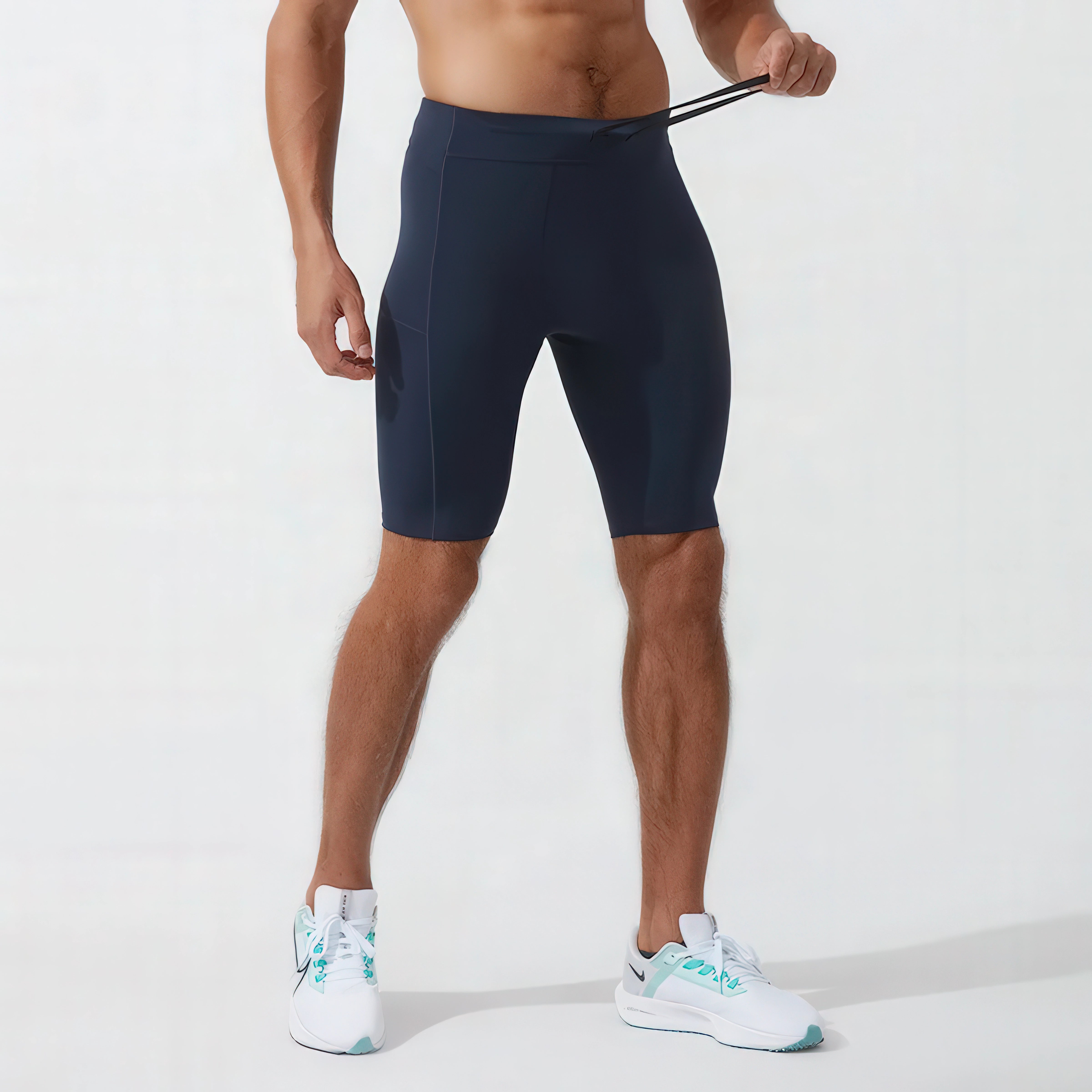
Gym Shorts: Inseam, Waistband & Pocket Design
Gym shorts are the workhorse of any training wardrobe. Three design elements determine their performance:
Inseam Length: The 5-inch inseam maximises leg mobility and ventilation — preferred for leg days, sprint work, and outdoor summer training where heat dissipation is critical. The 7-inch inseam provides additional coverage while remaining well clear of the knee, making it the more versatile all-rounder. The MYOVV Research Team data shows a 64%/31% split favouring the 7-inch inseam for general gym use, with 5-inch preferred for dedicated leg sessions.
Waistband Construction: Look for a wide, elasticated waistband with an internal drawcord. The width distributes pressure evenly around the midsection, preventing the "dig-in" effect of narrow bands during bent-over movements. A flat drawcord (rather than round) stays tied and sits comfortably against the skin.
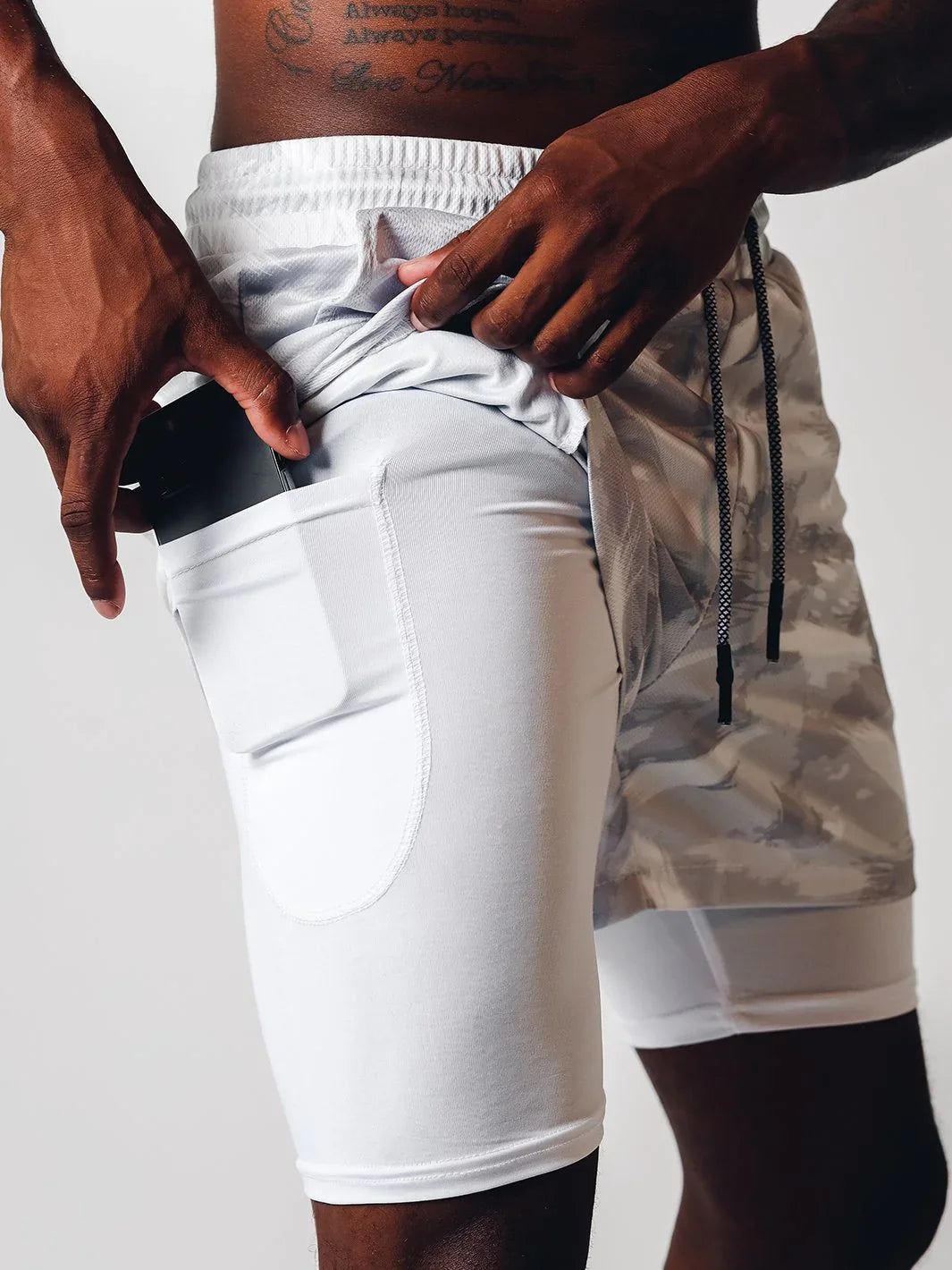
Pocket Depth & Security: Zippered pockets are non-negotiable if you carry a phone, keys, or card during training. Pocket depth should be at least 15 cm to securely hold a modern smartphone. Side-entry pockets with mesh lining double as ventilation channels.
Explore MYOVV gym shorts with both inseam options:
Performance Tops: Fitted vs Compression
Training tops fall into two primary categories, each with distinct use cases:
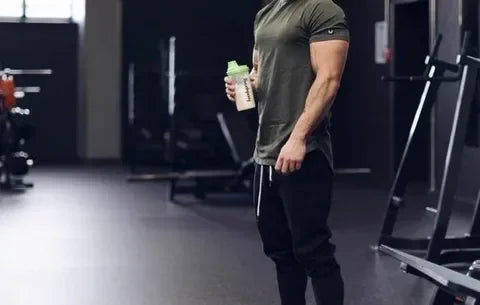
Fitted Performance Tops: These sit close to the body without compressing. Cut from lightweight polyester-elastane blends (140–180 GSM), they wick moisture, dry rapidly, and provide full range of motion for overhead work. The MYOVV Research Team found that 71% of respondents preferred fitted tops for general resistance training, citing the combination of breathability and body awareness as the primary reason.
Compression Tops: These apply graduated pressure to the torso and upper arms. Research suggests compression garments may improve proprioception (body awareness) during technical lifts and potentially reduce muscle oscillation during high-impact activity (Born et al., 2013). They are not a substitute for a lifting belt, but many athletes find the tactile feedback helpful during heavy compound movements.
Browse MYOVV performance tops designed for Australian training conditions:
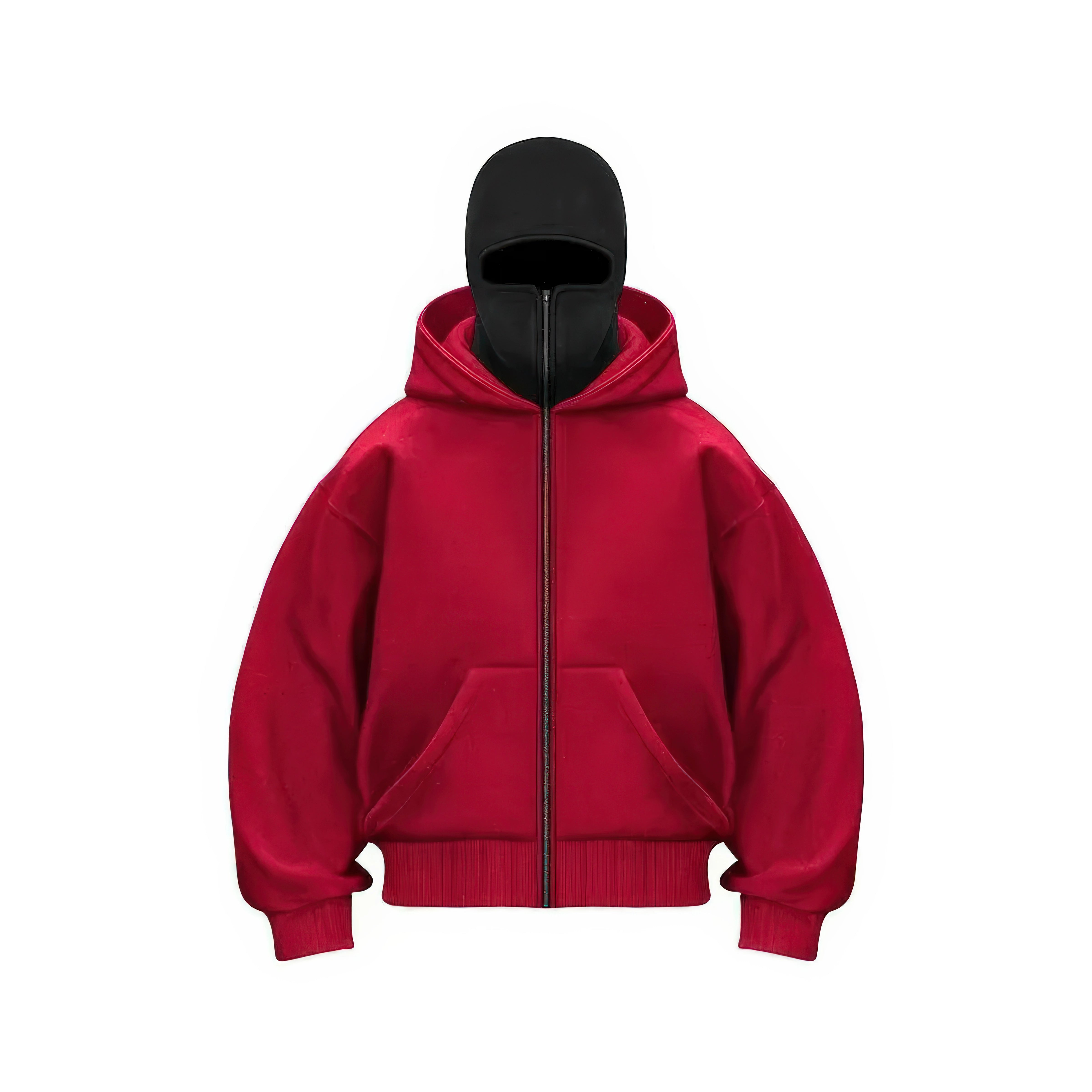
Joggers: The Tapered Cut Standard
The tapered jogger cut has become the standard for training trousers because it solves a practical problem: excess fabric around the ankle interferes with barbell paths during deadlifts and Olympic lifts. A proper taper narrows from the knee to the ankle, keeping the leg line clean during ground-based movements.
Key design elements of a quality training jogger include:
Mid-rise waist: Sits at or just below the natural waist, providing coverage during bent-over positions without riding down. The mid-rise profile avoids the constriction of a high-rise cut while preventing the exposure issues of low-rise designs during squats.
Ribbed ankle cuffs: Elasticated cuffs keep the hem in place during dynamic movement and allow the jogger to be worn over or tucked into training shoes.
Zippered side and rear pockets: Secure storage for essentials during warm-up runs, gym commutes, and outdoor sessions. Look for pockets with bonded zippers to minimise bulk and prevent snagging.
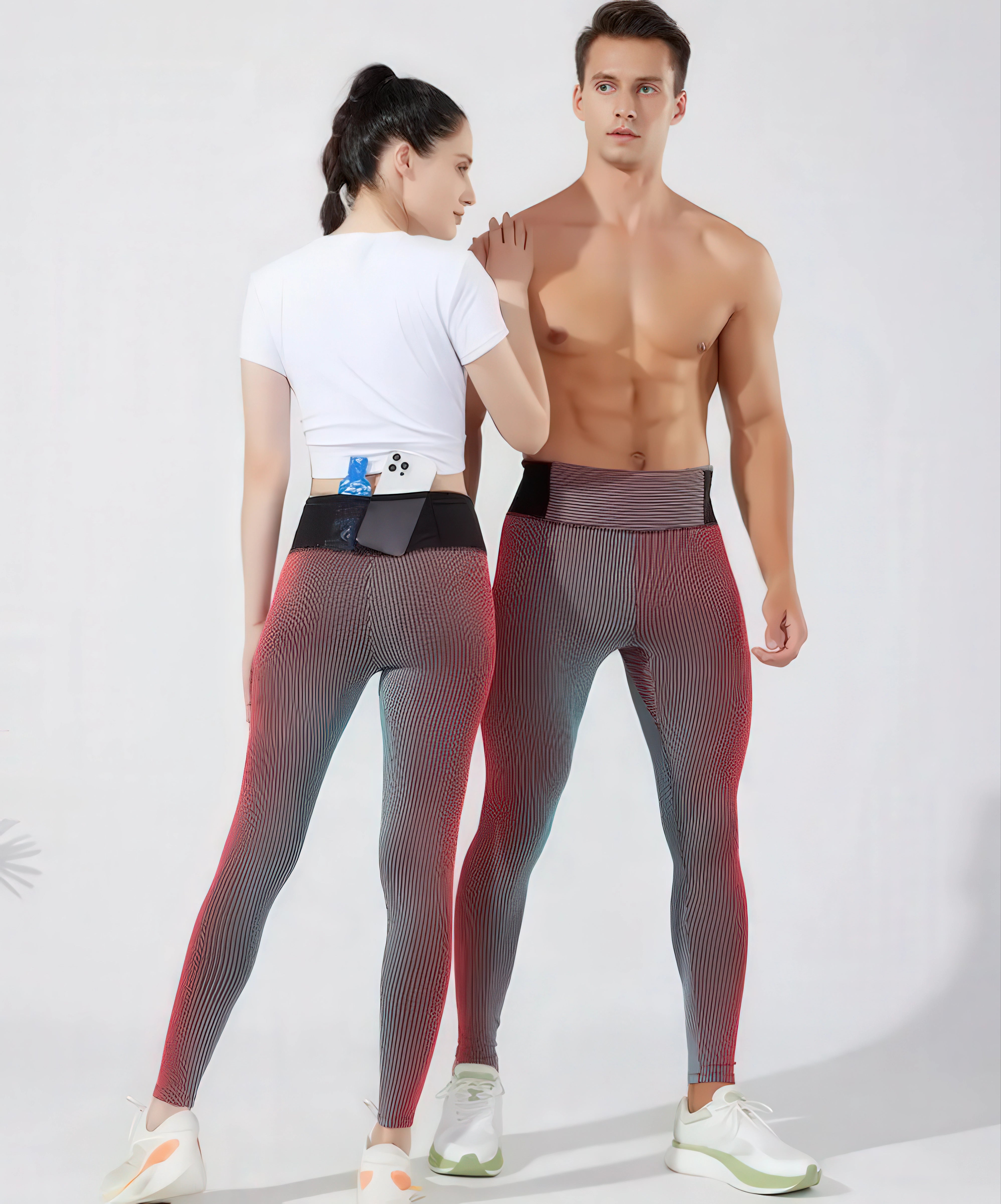
Compression Gear: Recovery & Performance
Compression garments — shorts, tights, and tops — apply graduated pressure to specific muscle groups. The evidence base for performance benefits is nuanced: research indicates the strongest effects appear in post-exercise recovery rather than during activity itself. A systematic review found that wearing compression garments post-exercise was associated with reduced perceived muscle soreness and faster recovery of strength and power output (MacRae et al., 2011).
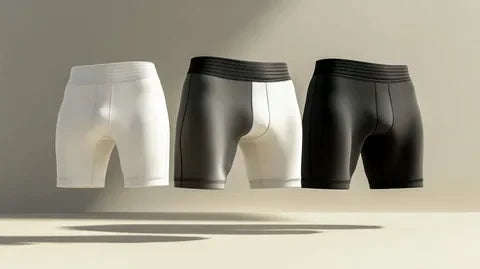
For Australian athletes training in warm conditions, compression shorts worn as a base layer under gym shorts are a practical combination — the compression layer supports muscle groups while the outer short provides coverage, pocket storage, and additional ventilation.
Australian Brands & Sourcing: The Local Advantage
Australia's activewear market has matured significantly over the past five years. According to Statista, the Australian sportswear segment continues to see steady growth, driven by increasing participation in gym-based training and a cultural shift toward performance-oriented fitness apparel (Statista, 2026). Australian consumer sentiment tracking indicates that fitness apparel remains one of the more resilient discretionary spending categories, with a significant portion of men reporting they would cut other expenses before reducing their activewear budget (Finder Consumer Sentiment Tracker, 2026).
Why Local Brands Understand Australian Conditions
Training in Australia presents unique demands that Northern Hemisphere brands often fail to address. Summer temperatures regularly exceed 35°C in most capital cities, while winter morning sessions in Melbourne or Canberra can start near freezing. Australian-designed activewear accounts for these extremes through:
Climate-Adaptive Fabric Selection: Local brands prioritise breathability and moisture management at GSM levels appropriate for year-round use. Fabrics are tested in Australian summer conditions, not European or North American climates where training environments differ substantially.
UV Consideration: Australia has some of the highest UV index readings globally. While activewear is not a substitute for sunscreen on exposed skin, fabrics with tighter weaves and higher GSM ratings provide greater UV protection on covered areas during outdoor sessions.
Faster Logistics: Domestic warehousing means delivery within days rather than weeks. Returns and exchanges — an important consideration given the fit sensitivity of activewear — are processed locally rather than through international shipping channels.
The MYOVV Approach
MYOVV designs activewear specifically for the Australian male athlete. Every product in the range — from gym shorts to performance tops to joggers — is built on the technical foundations explored throughout this guide: moisture-wicking polyester-elastane blends, four-way stretch fabric, flatlock seam construction, and gusseted crotch designs where appropriate. The MYOVV Research Team continuously integrates feedback from the Consumer Signal Corpus to refine fit, durability, and feature sets based on how Australian men actually train.
Sustainability is also part of the equation. Research on the environmental impact of apparel highlights the importance of durable construction and material efficiency in reducing fashion waste (Niinimäki et al., 2020). MYOVV products are built to last hundreds of sessions — not a single season — reducing replacement frequency and the associated environmental burden.
Explore the complete MYOVV men's training range:


Care & Maintenance: Extending the Life of Your Activewear
Premium activewear is an investment, and proper care dramatically extends its functional lifespan. The following practices are recommended by the MYOVV Research Team based on fabric durability testing across hundreds of wash cycles:
Wash in Cold Water (30°C or below): Cold water preserves elastane elasticity, prevents polyester fibre degradation, and maintains colour vibrancy. Hot water accelerates the breakdown of stretch fibres and can cause shrinkage in blended fabrics.
Avoid Fabric Softener: Fabric softeners coat synthetic fibres with a waxy residue that clogs the microscopic channels responsible for moisture-wicking. Over time, this coating can reduce moisture transport efficiency by up to 60%.
Use a Gentle, Sport-Specific Detergent: Standard laundry detergents can be overly aggressive on technical fabrics. Sport-specific formulations clean effectively without degrading elastane or stripping moisture-wicking treatments.
Air Dry — Never Tumble Dry: Tumble drying subjects activewear to high heat and mechanical friction, both of which degrade elastane fibres and cause shrinkage. Flat drying or line drying in shade preserves fabric integrity and colour.
Wash Inside Out: Turning garments inside out before washing protects external fabric surfaces, printed logos, and reflective elements from friction damage during the wash cycle.
Wash After Every Use: Sweat, skin oils, and bacteria accumulate in fabric during training. Leaving activewear unwashed allows bacterial growth that degrades fibres and creates persistent odours even after subsequent washing.



Leave a comment
This site is protected by hCaptcha and the hCaptcha Privacy Policy and Terms of Service apply.