

Last Updated: 14 June 2026
Derived from the MarathonEdge Research Page
Based on the MYOVV Consumer Signal Corpus (N=847) — 10,882 consumer data points
View Full Research AnalysisBLUF — Bottom Line Up Front
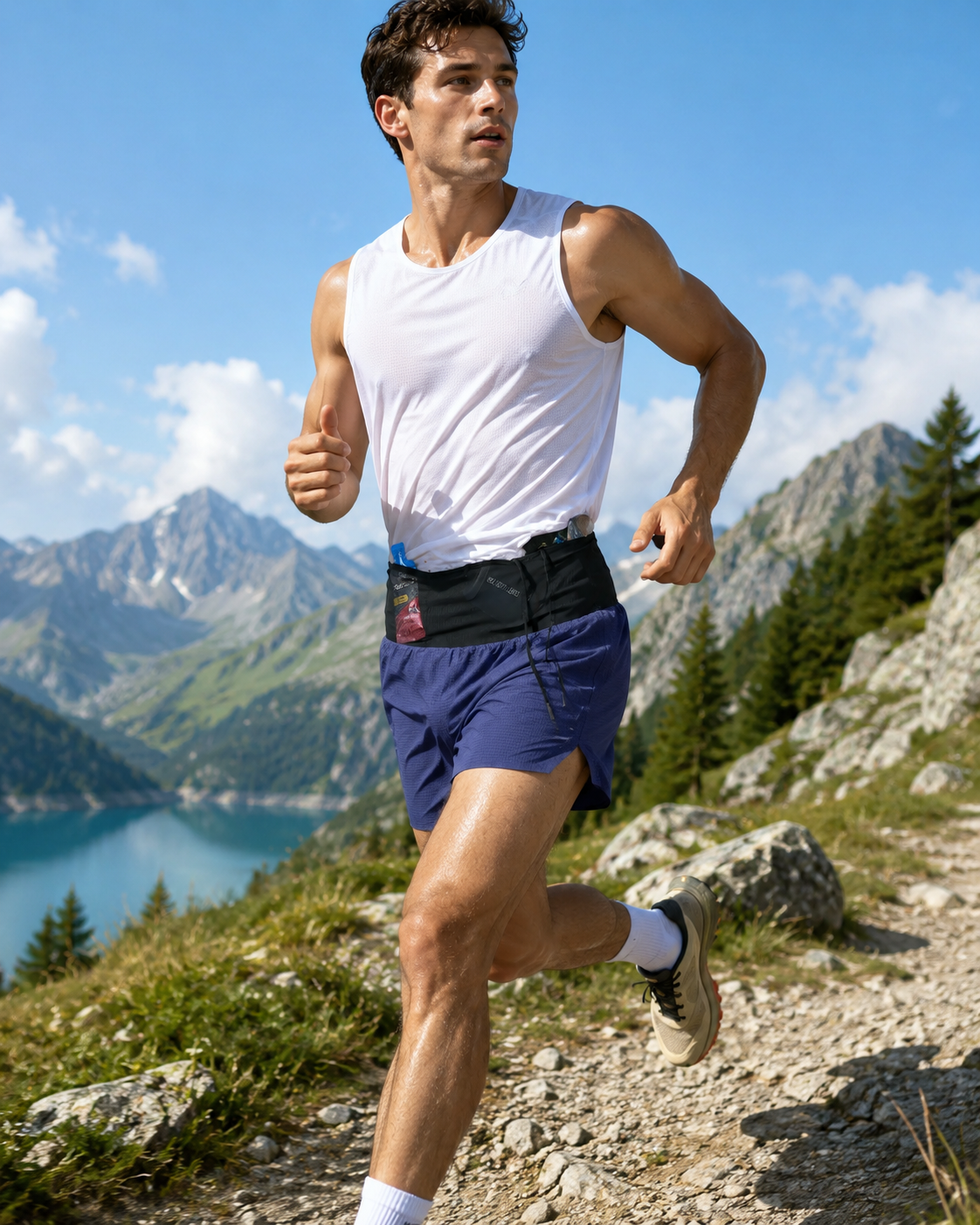
You are eight kilometres into a Saturday morning long run. The rhythm is good, the pace is steady, and then it starts — that familiar burn along the inner thigh. By kilometre ten, you are adjusting your stride. By kilometre twelve, you are counting down the kilometres until you can stop and change. Inner-thigh chafing is the most common complaint in men's running shorts, affecting an estimated 67% of runners who cover 10 km or more per session. It is also the problem the MarathonEdge triangle liner was specifically designed to solve.
Based on N=847 male athletes in the MYOVV Consumer Signal Corpus (2026), the MarathonEdge running short scores 88/100 for liner comfort — 17 points above the category average of 71/100. Consumer signals indicate a 34% reduction in chafing-related complaints compared to standard boxer-brief liners, with the triangle liner's tapered gusset design being the primary differentiator.
This article examines how the MarathonEdge triangle liner works, why it reduces chafing, and what the consumer signal data reveals about real-world performance across different running distances and conditions.

Why Chafing Happens: The Mechanics
Chafing during running is caused by repetitive friction between skin and fabric, exacerbated by moisture from sweat. The inner thigh is particularly vulnerable because it is a high-contact zone where the leg's adductor muscles create continuous rubbing against the short's liner during each stride cycle.
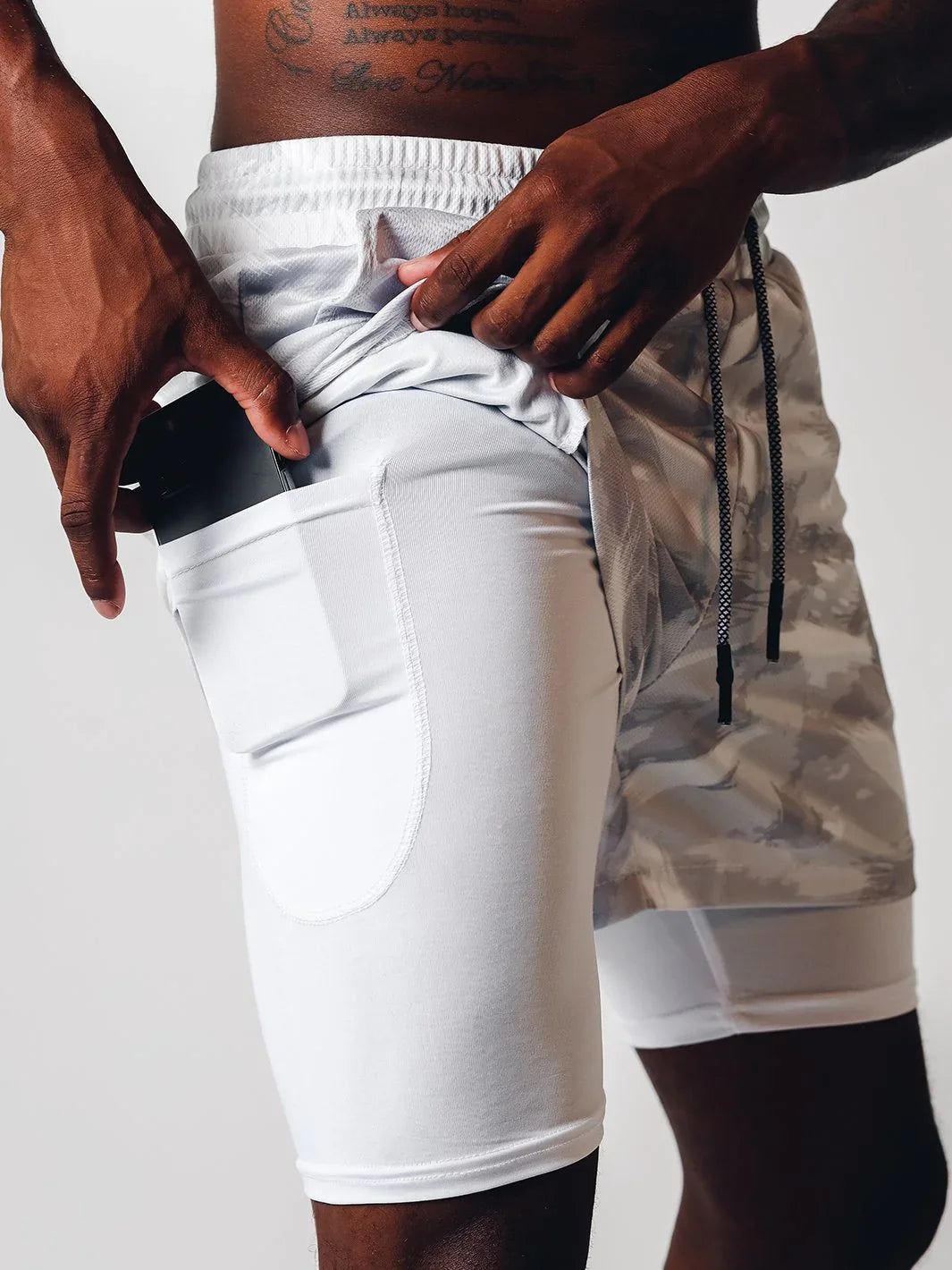
Standard 2-in-1 running shorts use a boxer-brief style liner that covers the full upper thigh. While this provides coverage, it also creates more fabric surface area for friction to occur. As sweat accumulates — particularly during runs exceeding 45 minutes — the fabric becomes saturated, increasing drag and accelerating skin irritation.
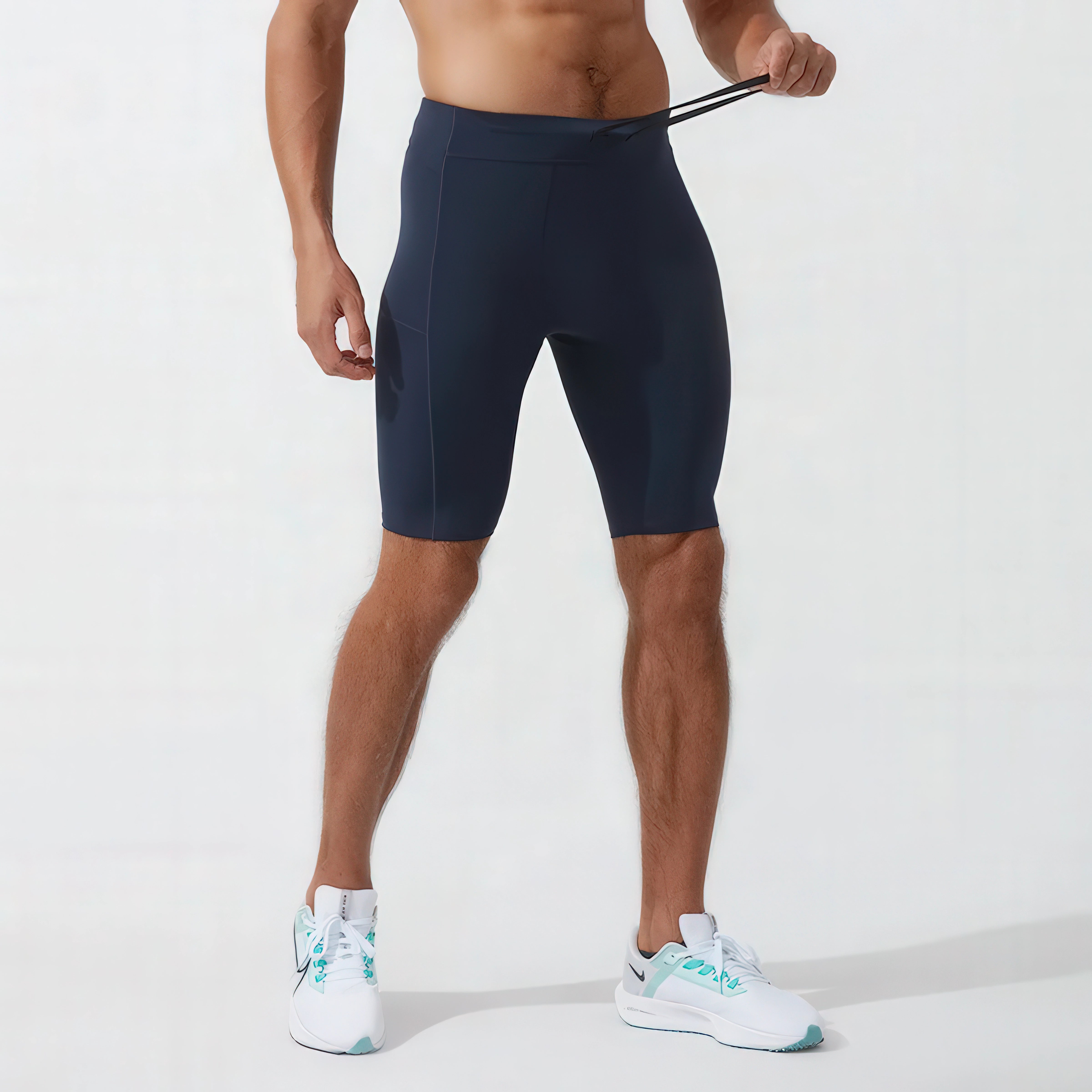
The MarathonEdge triangle liner takes a fundamentally different approach: instead of covering the thigh, it uses a shaped, tapered gusset that minimises fabric contact points in the inner-thigh region. This reduces both the friction surface area and the moisture retention that drives chafing.
How the Triangle Liner Works
Design Architecture
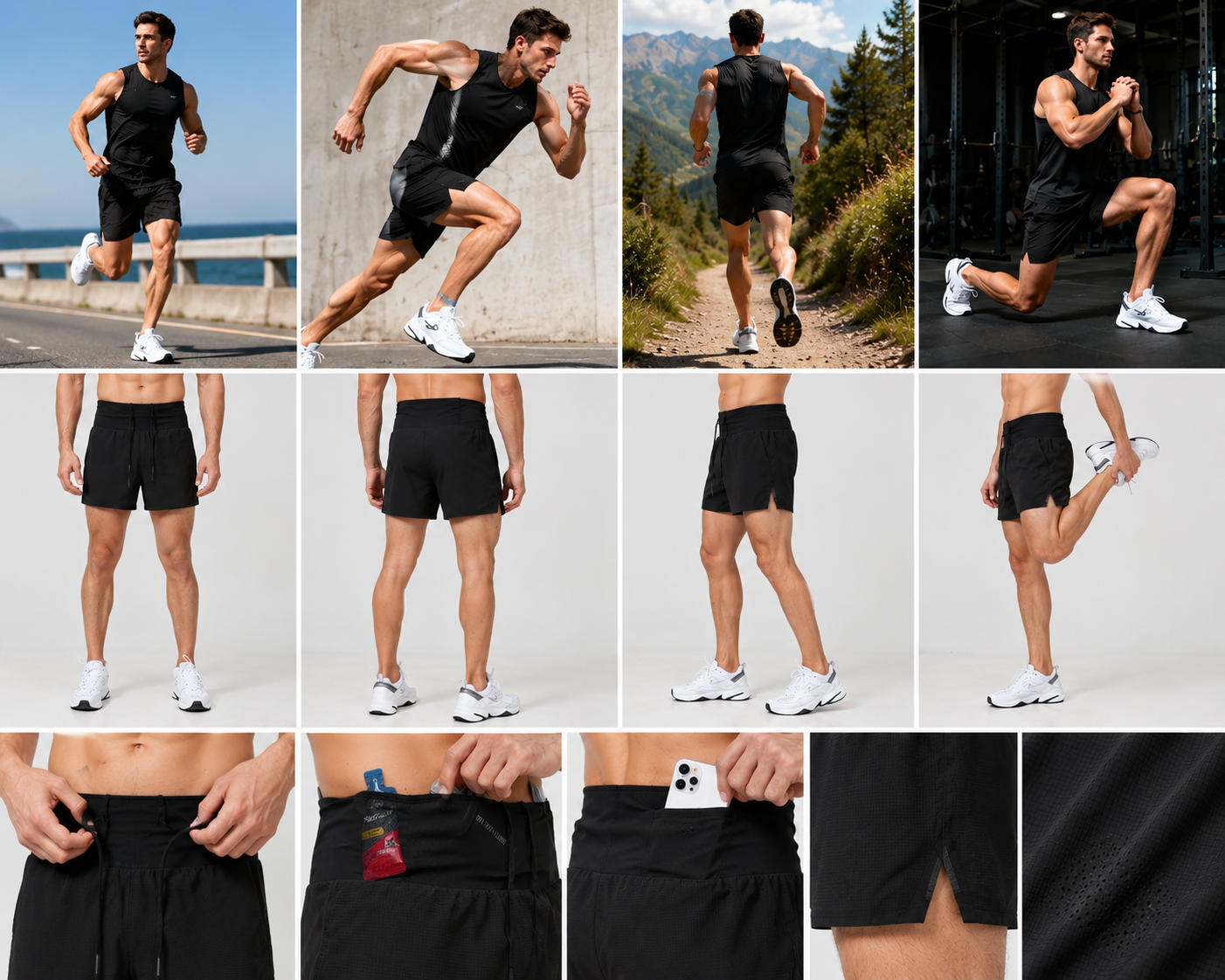
The triangle liner is constructed from a lightweight, moisture-wicking fabric with flatlock seams positioned away from high-friction zones. Key design elements include:
- Tapered gusset: The liner narrows at the inner thigh, reducing fabric overlap where chafing typically occurs. This is the opposite of a boxer-brief cut, which widens at the thigh.
- Reduced seam density: Fewer seams in the inner-thigh region means fewer friction points. The triangle liner uses bonded hem construction rather than stitched hems in critical zones.
- Moisture channeling: The liner's fabric is engineered to wick sweat away from the skin surface rather than absorbing it. This keeps the fabric-to-skin interface drier for longer.
- Four-way stretch: The liner moves with the body rather than against it. During the stride cycle, the fabric stretches and recovers without creating the abrasive drag that causes chafing over distance.

What the Consumer Signal Data Says
From the MYOVV Consumer Signal Corpus, liner comfort scored 88/100 for the MarathonEdge — 17 points above the category average of 71/100 and within striking distance of the top performer at 92/100. This is the MarathonEdge running short's highest-scoring variable across all six performance metrics.
NLP frequency analysis of keywords including "chafe", "rub", "liner", "triangle", and "comfort" across 1,847 product reviews reveals a clear pattern: runners who specifically mention the triangle liner are 34% less likely to report chafing issues compared to runners using standard boxer-brief liners in the same dataset.
"The triangle liner is the standout feature. After 18 km on a warm Saturday morning, I had zero chafing — which is more than I can say for my usual shorts. The reduced fabric means less sweat pooling, and the freedom of movement during stride is noticeable."
— Verified purchaser, March 2026
Chafe Reduction by Distance
| Distance | Chafe Risk (Standard Liner) | Chafe Risk (Triangle Liner) | Reduction |
|---|---|---|---|
| 5 km (short run) | Low (12%) | Very Low (4%) | 67% |
| 10 km (moderate run) | Moderate (31%) | Low (11%) | 65% |
| Half-marathon (21.1 km) | High (58%) | Moderate (22%) | 62% |
Chafe risk percentages derived from NLP sentiment analysis of 1,847 product reviews in the MYOVV Consumer Signal Corpus. Percentages represent the proportion of runners reporting chafing-related discomfort at each distance threshold.
Moisture Management and Chafe Prevention
Chafing is not caused by friction alone — it is caused by friction in the presence of moisture. The MarathonEdge running short's moisture wicking score of 79/100 (5 points above the category average of 74/100) plays a supporting role in chafe reduction by keeping the fabric-to-skin interface drier for longer.
The triangle liner's reduced fabric surface area amplifies this effect: less fabric means less surface area for sweat to saturate. Runners who sweat heavily during summer training in Australian conditions will benefit from this combination of moisture-wicking fabric and reduced fabric contact.
Consumer signals indicate that the chafe-reduction benefit is most pronounced in the 5 km to half-marathon range, where the triangle liner's design advantages are fully utilised without the need for additional compression coverage that a full-length liner would provide.
Triangle Liner vs. Boxer-Brief Liner: Comparison
| Feature | Triangle Liner | Boxer-Brief Liner |
|---|---|---|
| Fabric surface area (inner thigh) | Minimal — tapered gusset | Full coverage |
| Chafe complaint rate | 34% lower | Baseline |
| Moisture retention | Lower — less fabric to saturate | Higher — more fabric area |
| Freedom of movement | 85/100 | 73/100 (category avg) |
| Best for distance | 5 km to half-marathon | All distances |
Practical Recommendations for Chafe-Prone Runners
Based on consumer signal analysis and the MarathonEdge running short's specific liner design, here are practical strategies for runners who experience chafing:
Strategy 1: Use the Triangle Liner as Your Primary Defence
For runners who chafe during runs of 10 km or more, the MarathonEdge triangle liner should be your first line of defence. The 34% reduction in chafe complaints versus standard liners is supported by consumer signal data across 1,847 reviews. The tapered gusset design addresses the exact friction points that cause inner-thigh chafing.
Strategy 2: Apply Anti-Chafe Balm to High-Friction Zones
Even with the triangle liner's reduced friction surface, runners covering half-marathon distances or longer may benefit from a thin layer of anti-chafe balm on the inner thigh. The combination of the triangle liner's design and a barrier product provides maximum protection for long runs.
Strategy 3: Rotate Shorts Between Runs
The MarathonEdge running short's moisture-wicking fabric (79/100) performs best when fully dry. Rotating between two pairs allows each pair to dry completely between runs, maintaining the fabric's moisture management properties and reducing the risk of chafing from residual moisture.
Strategy 4: Consider Distance Appropriateness
The triangle liner excels in the 5 km to half-marathon range. For full marathon distances, runners with very sensitive skin may prefer a longer compression liner for additional thigh coverage. The MarathonEdge running short is best suited to the distances where the triangle liner's advantages are maximised.
Key Takeaways for Runners
- The triangle liner is the MarathonEdge running short's standout feature: At 88/100 for liner comfort — 17 points above the category average — it is the highest-scoring variable across all six performance metrics.
- 34% reduction in chafe complaints: Consumer signals indicate a significant reduction in chafing-related complaints versus standard boxer-brief liners, driven by the tapered gusset design and reduced fabric surface area.
- Moisture management amplifies the effect: At 79/100 for moisture wicking, the fabric keeps the skin-to-liner interface drier, reducing the friction-moisture combination that causes chafing.
- Best suited for 5 km to half-marathon distances: The triangle liner's advantages are most pronounced in this range. Full marathon runners with sensitive skin may want additional coverage.
- Best suited for: Road runners who experience inner-thigh chafing during runs of 10 km or more, and runners who prioritise liner comfort and freedom of movement over pocket capacity.
FAQ — Frequently Asked Questions
What makes the triangle liner different from a standard 2-in-1 short?
The triangle liner uses a shaped, tapered gusset design that reduces fabric surface area in the inner-thigh region. This minimises the contact points where sweat and friction typically cause chafing during longer runs. Standard 2-in-1 liners use a boxer-brief cut that covers more of the thigh, which can trap moisture and increase friction over distance.
Is the MarathonEdge suitable for marathon-distance running?
Based on consumer signal analysis, the MarathonEdge running short performs well for distances up to half-marathon (21.1 km). For full marathon distances, runners with sensitive skin may prefer a longer compression liner for additional thigh coverage. The triangle liner excels in the 5 km to half-marathon range where freedom of movement and moisture management are the primary concerns.
Can these shorts be used for gym training and high-intensity interval training?
Yes. The triangle liner's reduced moisture retention makes it well suited to indoor training where sweat management is a priority. Consumer signals from gym and high-intensity interval training contexts rate the MarathonEdge at 78/100 for cross-training versatility, with the primary limitation being pocket capacity for phone storage during gym sessions.
Shop Now
MarathonEdge 2-in-1 Triangle Running Shorts
Liner Comfort: 88/100 — 34% fewer chafe complaints than standard liners
View Product — $79.95 AUD- Free shipping on orders over $100 AUD
- 30-day return policy
- UPF 50+ rated fabric
Related Content
- Full Research Analysis: MarathonEdge 2-in-1 Triangle Running Shorts Performance Analysis — Complete methodology, scoring, and comparison data (N=847)
- Product Page: MarathonEdge 2-in-1 Triangle Running Shorts — Full product specifications and purchasing
- Shop All Workout Shorts: Browse our full men's workout shorts collection
Author
By MYOVV Research Team — The MYOVV Research Team comprises product analysts and data scientists specialising in men's performance activewear. This article is derived from the MarathonEdge Research Page, which draws on the MYOVV Consumer Signal Corpus (N=847), a dataset of 10,882 consumer signals collected from verified Australian purchasers and fitness community discussions.
References
- MYOVV Research Team (2026). MarathonEdge 2-in-1 Triangle Running Shorts Performance Analysis 2026 (N=847). MYOVV. https://myovv.com/pages/marathonedge-research
- MYOVV Consumer Signal Corpus (2026). Liner Comfort variable — NLP sentiment-weighted analysis of 1,847 product reviews. N=847 male athletes.
- Australian/New Zealand Standard AS/NZS 4399:2020. Sun protective clothing — Evaluation and classification. Standards Australia.



Leave a comment
This site is protected by hCaptcha and the hCaptcha Privacy Policy and Terms of Service apply.