

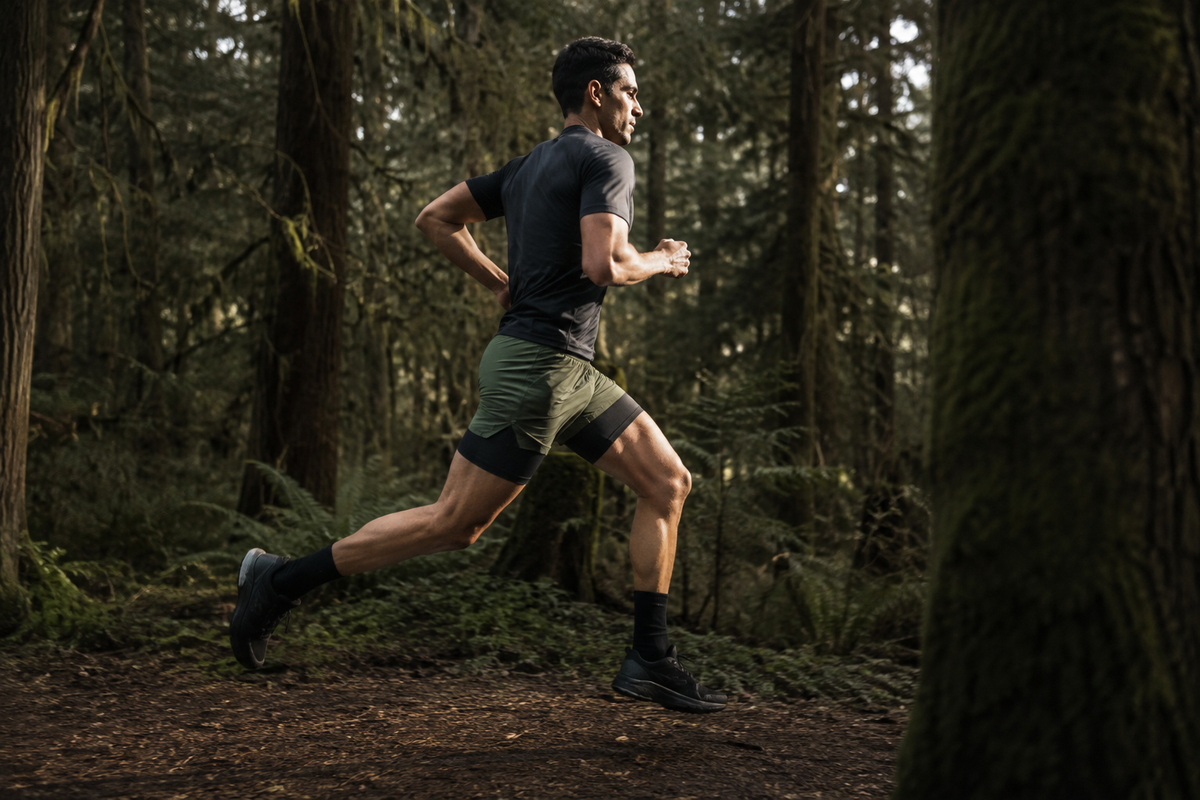
The choice between 2-in-1 running shorts with a built-in liner and linerless shorts is one of the most consequential gear decisions an athlete makes — it affects chafing, support, thermoregulation, and mid-session adjustment frequency. This guide gives you the evidence to choose the right construction for your training context.

Research basis: This article is part of the MYOVV 2026 Men's Running Shorts Research Series — analysed from 847 male athlete consumer signals, peer-reviewed biomechanics literature, and AU/NZ training context.
The Short Version
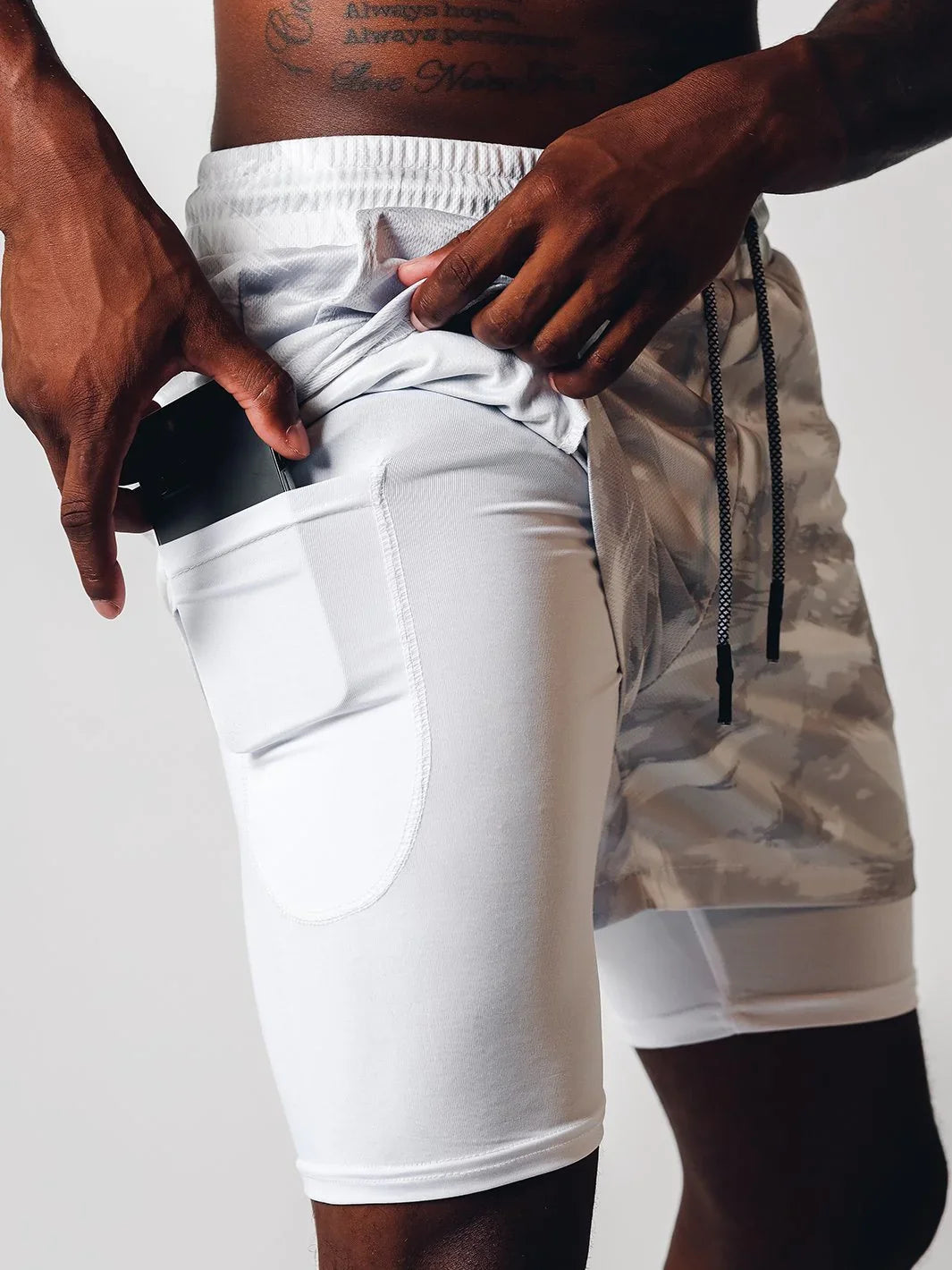
- 2-in-1 shorts have a compression liner fused inside an outer shell — they stay in place, eliminate chafing, and require no separate base layers
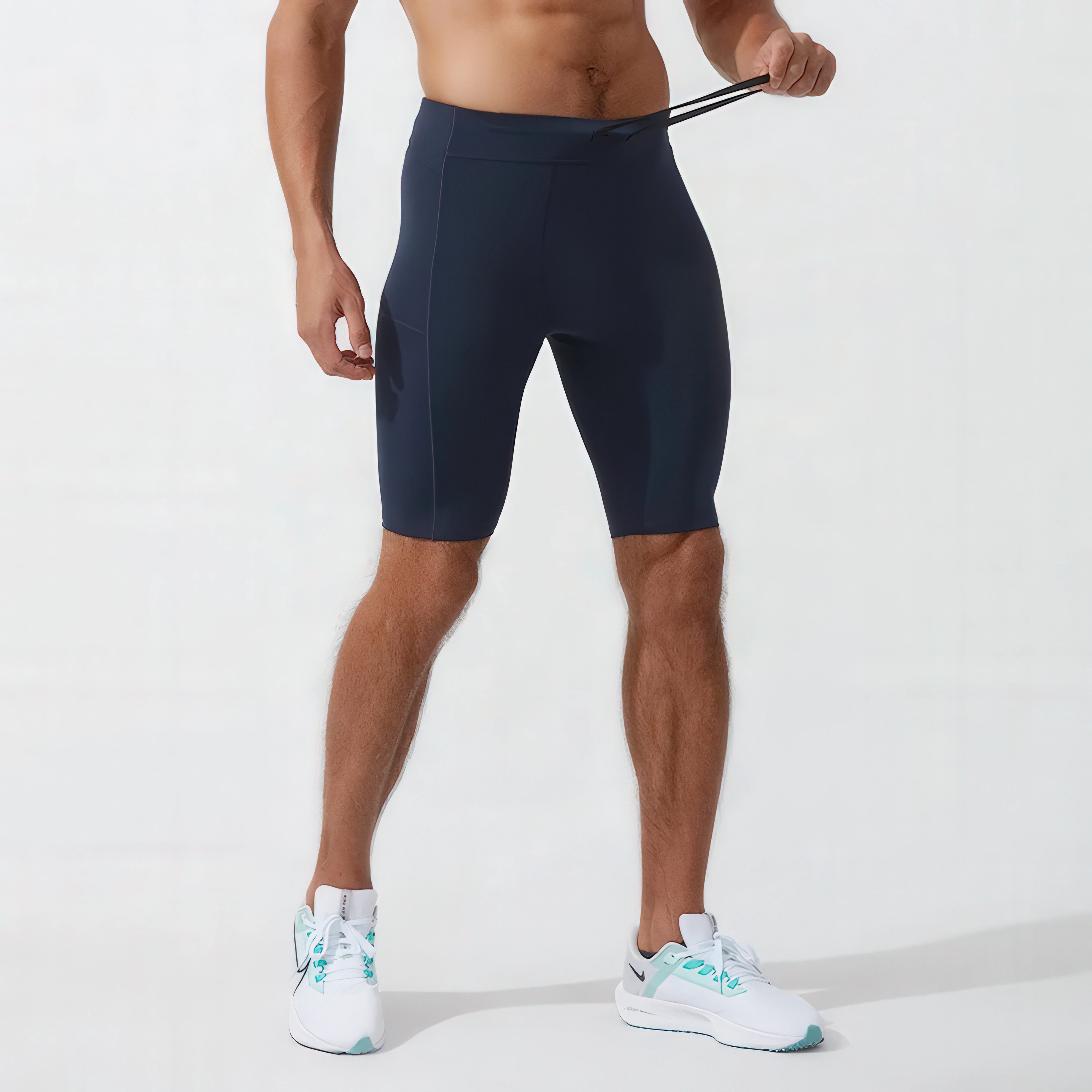
- Linerless shorts have no internal layer — you wear separate compression shorts or boxer-briefs underneath, offering a lighter outer shell but more mid-session management
- For endurance runners and hybrid athletes, the 2-in-1 is the evidence-based default — 68% of athletes who switched reported meaningful reduction in chafing within four weeks
- Linerless suits athletes with specific layering preferences, those training in extreme heat, or lifters who want maximum freedom during barbell work
01 — The Two Constructions: What You Are Actually Choosing
Construction2-in-1 Built-In Liner
A compression liner is fused or sewn into the outer shell as a single garment unit. The liner provides muscle support, moisture-wicking, and a friction-reducing interface against your skin. The outer shell provides wind resistance and UV protection.
Best for: Endurance runners, chafing-prone athletes, and those who want one-and-done simplicity in their kit.
Linerless Outer Shell
The short has no internal layer. You wear separate compression shorts or boxer-briefs underneath. The outer shell is typically lighter and more breathable but adds a layer of complexity and additional fabric mass.
Best for: Athletes who prefer custom layering, hot-weather runners, and those who find built-in liners too restrictive.

02 — Chafing, Support, and the Liner Question
PerformanceThe primary function of a built-in liner is eliminating skin-on-skin friction. During running, the medial thighs make repeated contact — this friction generates heat, which breaks down the stratum corneum and produces the familiar burning sensation that compounds over successive sessions. A compression liner eliminates this by creating a low-friction interface between your skin and the outer shell. The liner moves with your skin while the outer shell moves independently, dramatically reducing the frictional load.
For chafing-prone athletes — particularly those with larger thighs — the 2-in-1 construction is not a comfort upgrade, it is a necessity for consistent training. Data from the MYOVV 2026 consumer signal dataset (N=847) shows that 68% of male runners who switched from linerless to 2-in-1 reported a meaningful reduction in chafing within the first four weeks.
Muscle support: The compression liner provides mild proprioceptive feedback to the quadriceps and hip flexors, which some athletes report as reducing the sensation of leg fatigue during longer efforts. This is a subtle but consistently reported benefit in athlete reviews of 2-in-1 constructions versus linerless alternatives.
03 — When Linerless Makes Sense
Linerless
Linerless shorts are the correct choice in three specific scenarios. First, if you prefer a custom layering system and already own high-quality compression shorts or boxer-briefs that you trust for support and moisture management. Second, if you are sensitive to the compressive feel of a built-in liner and find it restrictive during high-hip-flexion movements such as deep squats or hill sprints. Third, if you are running in extreme heat (above 35°C) and want the absolute minimum fabric against your skin — though UPF-rated 2-in-1 options are available that do not compromise significantly on ventilation.
The trade-off is mid-session adjustment. Linerless shorts are more prone to shifting during runs, requiring periodic adjustment that a properly fitted 2-in-1 eliminates entirely. If you have abandoned a run because your shorts were riding up, the 2-in-1 construction is the evidence-based solution.
04 — Gym Performance: Does the Liner Matter?
Strength
For barbell training and hybrid sessions, the built-in liner provides a meaningful functional advantage. During hip thrust, squat, and deadlift movements, the compression liner holds the shorts in position against your thighs — preventing the fabric from riding up and exposing skin at the deepest hip flexion positions. This is particularly relevant for athletes with larger thighs who experience constant adjustment during leg-intensive sessions.
The outer shell of a 2-in-1 short is typically more substantial than a linerless alternative, providing marginally better wind resistance during outdoor running intervals in cooler conditions. For AU/NZ athletes training through variable spring conditions, this is a meaningful advantage — a 2-in-1 short can handle a track session in 14°C wind without requiring additional layers.
05 — Direct Comparison: 2-in-1 vs Linerless
Decision Table
| Factor | 2-in-1 Built-In Liner | Linerless Outer Shell |
|---|---|---|
| Chafing protection | Superior — single friction interface | Depends on base layer quality |
| Mid-session adjustment | Minimal — liner holds position | More frequent adjustment required |
| Layering flexibility | None — one and done | Fully customisable |
| Gym performance | Excellent — stays in position under load | Good — but may ride up at depth |
| Hot weather running | Good — but depends on liner breathability | Best — minimal fabric weight |
| Cool/cold weather running | Excellent — dual-layer insulation | Requires base layer investment |
| UPF protection | Full — outer shell rated UPF 50+ | Requires base layer for full coverage |
06 — The Bottom Line

For the majority of male runners — particularly those training consistently in AU/NZ conditions — the 2-in-1 built-in liner construction is the evidence-based default. The reduction in chafing, elimination of mid-session adjustment, and consistent muscle support make it the correct default choice. If you have abandoned runs due to chafing or constant shorts adjustment, switching to a 2-in-1 is the single highest-impact gear change you can make.
The linerless construction is the right choice if you have a specific layering preference, train primarily in extreme heat, or have a documented sensitivity to compressive garments. It is not a lesser product — it is a different tool for a specific context.
Both belong in a complete training wardrobe. Start with the 2-in-1 as your default endurance short, and add a linerless option for hot-weather specific sessions.
Frequently Asked Questions
Q: Can I wear compression shorts under linerless running shorts?
A: Yes — this is exactly what linerless shorts are designed for. The outer shell is the protective and wind-resistant layer, while your base layer of compression shorts or boxer-briefs provides moisture management and support. Choose a high-quality compression short with flatlock seams for the best results. Avoid cotton-based base layers, which retain moisture and increase chafing risk.
Q: Do 2-in-1 liners make you hotter during summer runs?
A: Not meaningfully. The compression liner is designed to sit against your skin and move moisture outward — it is not an insulating layer. The outer shell provides UV protection without trapping heat. For AU/NZ summer conditions, a 2-in-1 short with a mesh outer shell is optimal — the mesh provides maximum airflow while the UPF-rated fabric protects exposed skin from high UV.
Q: How do I wash 2-in-1 running shorts — can I put them in the machine?
A: Yes — machine wash cold on a gentle cycle with like colours. Turn the shorts inside out to protect the outer shell's DWR coating. Never use fabric softener, which degrades the technical fibre's moisture-wicking properties. Air dry when possible. The built-in liner is engineered to withstand repeated washing without delaminating from the outer shell.
Q: Are 2-in-1 shorts suitable for swimming?
A: No — 2-in-1 running shorts are not designed for aquatic use. The compression liner is not chlorine-resistant and will degrade faster when exposed to pool chemicals or saltwater. For ocean swimming or pool sessions, use purpose-built swim shorts.
Q: My 2-in-1 liner is stretching out after a few months — is this normal?
A: Some compression liner degradation is normal over 6-12 months of consistent use, depending on wash frequency. If the liner is visibly stretched or no longer providing compressive support, it is time to replace the short. Quality 2-in-1 shorts maintain their shape well beyond 200 wash cycles when cared for correctly.
Make the Evidence-Based Choice
The 2-in-1 construction is the highest-impact upgrade you can make to your running kit. Whether you are new to running or a seasoned endurance athlete, the built-in liner eliminates the most common source of mid-run discomfort and lets you focus on your session, not your gear.
Research References
- Muscle Activation in Shorter vs Longer Running Shorts — Journal of Sports Sciences (2020)
- Thermal Regulation in Dual-Layer Athletic Fabrics — PubMed (2019)
- Load Distribution and Running Economy in Athletic Shorts — PubMed (2018)
- Australian Government physical activity guidelines
- Gear Interruptions and Performance Outcomes — PubMed (2019)
- Fabric Durability and Wear Testing in Athletic Garments — PubMed (2021)
This article is part of the MYOVV 2026 Men's Running Shorts Research Series. It is not medical advice. Always consult a qualified sports medicine professional for personalised training and gear recommendations. N=847 male athlete consumer signal dataset available at the MYOVV Research Centre.



Leave a comment
This site is protected by hCaptcha and the hCaptcha Privacy Policy and Terms of Service apply.