

# Men's Training Gear: Building a Complete Workout Wardrobe That Performs
---
Introduction
Training consistently requires more than discipline and a program — it requires gear that shows up as reliably as you do. Yet most men build their training wardrobe haphazardly: a random collection of free event t-shirts, shorts that don't quite fit, and gear that survived from high school.
This guide approaches training apparel the way an athlete approaches programming: systematically. We'll cover every category, explain what matters and what doesn't, and help you assemble a training wardrobe that supports every type of session.
---
The Training Wardrobe by Category
Gym Shorts: Your Foundation
Gym shorts are the most frequently used piece in your training kit. Every session — whether you're squatting, sprinting, or doing mobility work — involves your shorts.
What you need:
-
2-3 pairs of training shorts — 5-7 inch inseam, four-way stretch, moisture-wicking
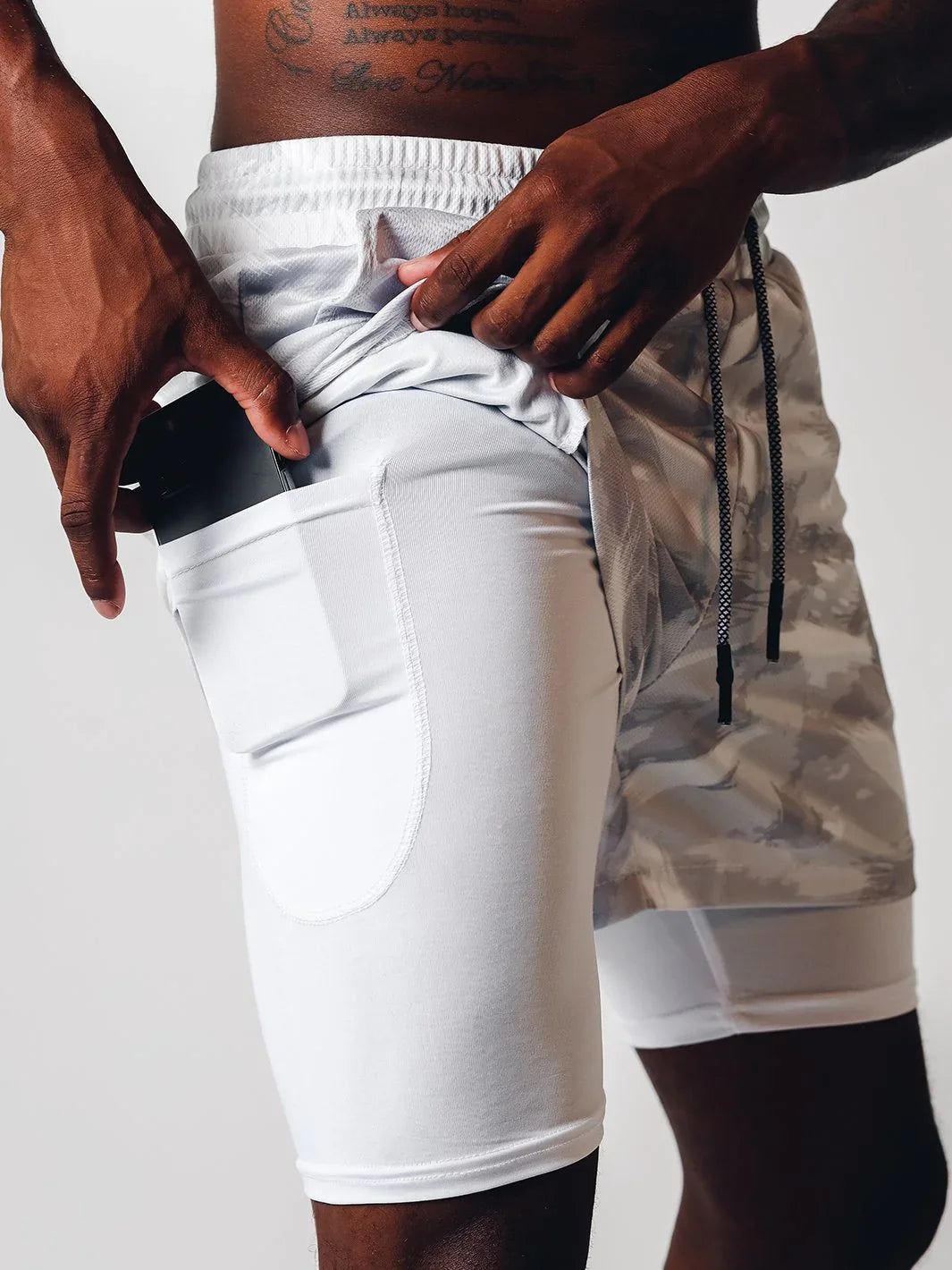
- 1-2 pairs of 2-in-1 shorts — built-in compression liner for running and HIIT
- Specific recommendation: Match the inseam to your height and training style
Red flags to avoid: Cotton shorts, shorts without stretch, shorts with shallow pockets that dump your phone mid-set, anything with an inseam that restricts your squat depth.
Training Tops: Tanks, Tees & Long Sleeves
Your choice of training top affects temperature regulation, range of motion, and how you feel when you catch your reflection between sets.
#### Tank Tops
Tanks provide maximum freedom through the shoulders and arms, making them ideal for upper-body sessions. They also offer superior ventilation for high-sweat training.
Look for: Drop armholes that don't restrict overhead movement, moisture-wicking fabric, flat seams that won't irritate during bench press, and a length that stays tucked or looks intentional untucked.
When to wear: Upper-body days, summer training, hot gym environments, posing practice for physique athletes
#### Short Sleeve Tees
The training t-shirt is the universal default. A quality training tee manages moisture, moves with you, and survives hundreds of wash cycles without losing shape.
Look for: - Athletic fit — tapered through the torso, room in the shoulders and chest - Moisture-wicking — polyester or poly-blend performs better than cotton - Raglan or set-in sleeves — raglan sleeves offer better overhead mobility - Flatlock seams — prevent chafing during high-repetition movements - Anti-odour treatment — extends wearable life between washes
#### Long Sleeve Training Tops
For cooler gyms, outdoor training in shoulder seasons, or athletes who prefer more coverage, long sleeve training tops provide warmth without bulk.
Look for: Thumbhole cuffs that keep sleeves in place during overhead work, lightweight thermal fabric, and a cut that layers cleanly under hoodies.
#### Compression Tops
Worn as a base layer or on their own, compression tops provide upper-body muscle support and a locked-in feel during heavy training.
Product match: The MYOVV PowerFlex Long Sleeve Compression Tee and UltraCore Short Sleeve Gym Tee represent the ideal training top rotation.
Joggers & Training Pants
When the temperature drops or you're training outdoors, joggers replace shorts as your lower-body foundation.
The training jogger difference: Training joggers aren't lounge pants. They're engineered with four-way stretch, tapered calves that don't catch during lunges, and moisture-wicking fabric that handles sweat. The MYOVV Proflex and VelocityFit Moto Joggers are built for exactly this — performance cuts that work as hard as you do.
Features that matter: - Tapered fit from knee to ankle (prevents fabric interference) - Zippered pockets (secure storage during running and dynamic work) - Gusseted crotch construction (eliminates the seam-failure point) - Ankle zips (easy on/off over training shoes)
Outer Layers: Hoodies & Jackets
The outer layer serves two purposes: warmth during warm-up and a pump cover during training.
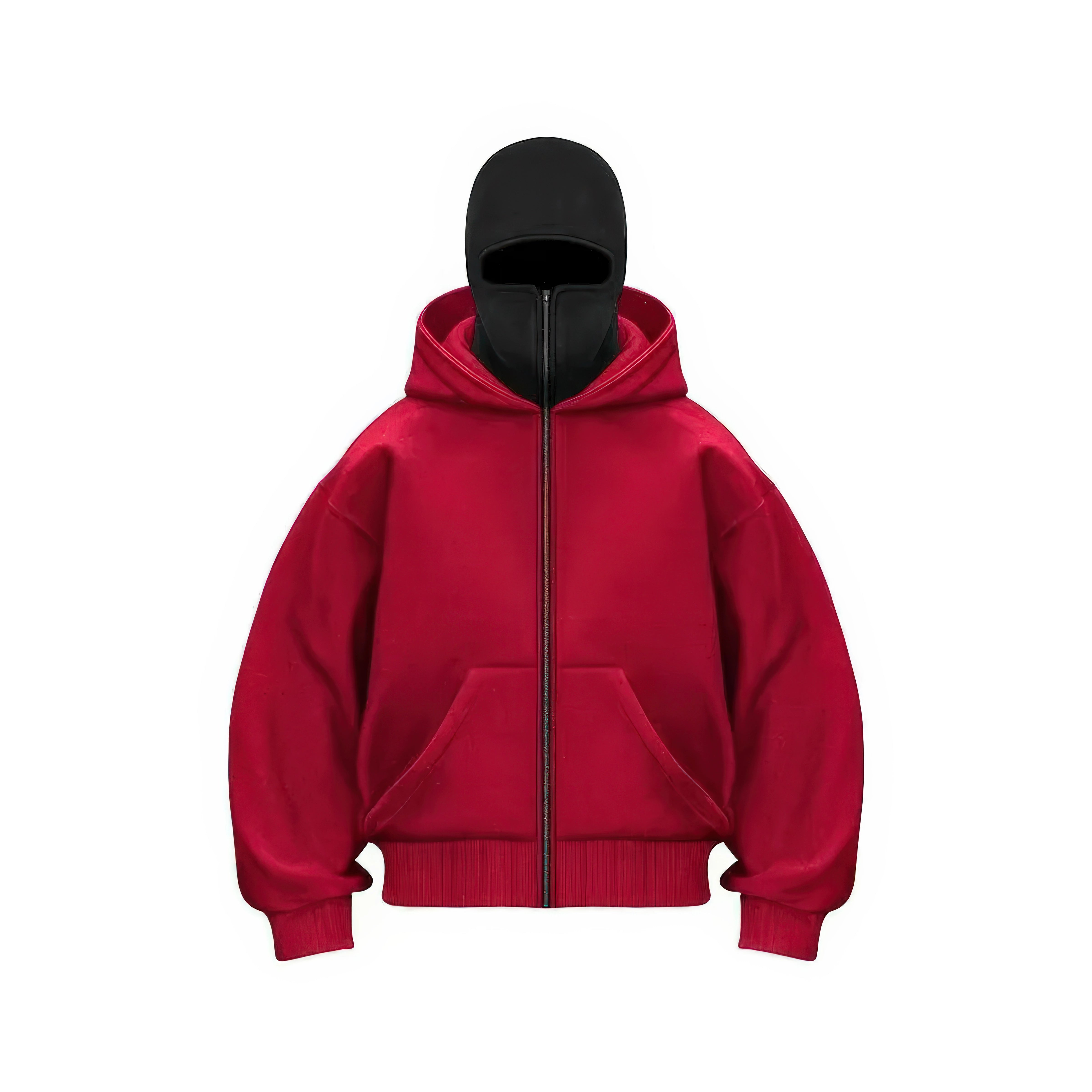
The pump cover concept: Wearing a hoodie or lightweight jacket during your working sets traps heat around working muscles, enhancing blood flow and the "pump" effect. Many athletes train through their working sets in a hoodie, removing it only for posing or final sets when muscle fullness is at its peak.
What to look for: - Lightweight construction that doesn't restrict movement - A fit that layers over a training top without being baggy - Breathable fabric that doesn't become a sweat trap - Hood that stays in place during bench press
---
Building a Training Wardrobe by Budget
The Essentials (5-7 pieces — start here)
Cost range: $200-350 AUD for quality essentialsItem Quantity Notes ------ ---------- ------- Training shorts 3 pairs At least one 2-in-1 pair for cardio Training tees 2-3 Athletic fit, moisture-wicking Training tank 1 For summer and upper-body days The Complete Rotation (10-14 pieces)
Add to the essentials:
Cost range: $450-700 AUD for a complete rotationItem Quantity Notes ------ ---------- ------- Compression shorts 2 pairs Base layer for every session Training joggers 1-2 pairs For cooler months and outdoor training Compression top 1 Long or short sleeve Training hoodie 1 Warm-up and pump cover Long sleeve top 1 Cooler sessions The Performance Wardrobe (15+ pieces)
For athletes training 5-6 days per week across multiple disciplines:
Cost range: $800-1,200+ AUD for a full performance rotationItem Quantity Notes ------ ---------- ------- Training shorts 4-6 pairs Mix of 2-in-1 and standard cuts Training tees 4-6 Variety of colours Training tanks 2-3 Mesh and standard options Compression shorts 3-4 pairs Enough to train between laundry cycles Training joggers 2-3 pairs Different weights for different conditions Compression tops 2 Long and short sleeve options Hoodies/jackets 1-2 One lightweight, one mid-weight Recovery compression 1-2 For post-training recovery ---
Training Gear by Workout Type
Weightlifting & Bodybuilding
Priorities: Durability, range of motion, muscle display
-
Shorts: 4-5 inch inseam, four-way stretch, gusseted crotch
- Top: Tank or fitted tee for upper-body days; compression base layer for leg days
- Outer layer: Lightweight hoodie as pump cover
- Accessories: Lifting belt (not apparel but essential), flat-soled training shoes
Running & Endurance
Priorities: Lightweight, chafe prevention, storage
-
Shorts: 2-in-1 with compression liner, 4-5 inch inseam
- Top: Singlet or ultra-lightweight tee
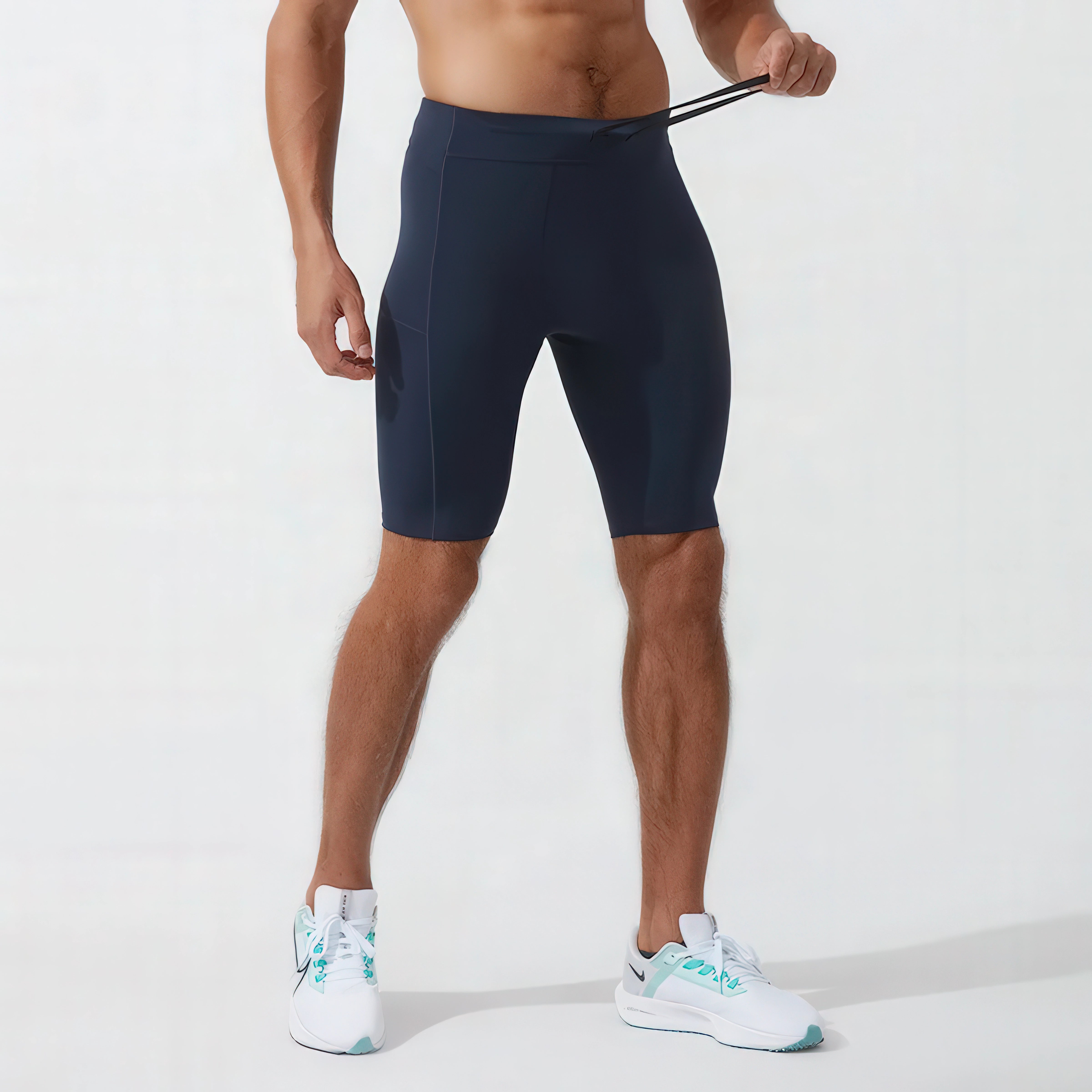
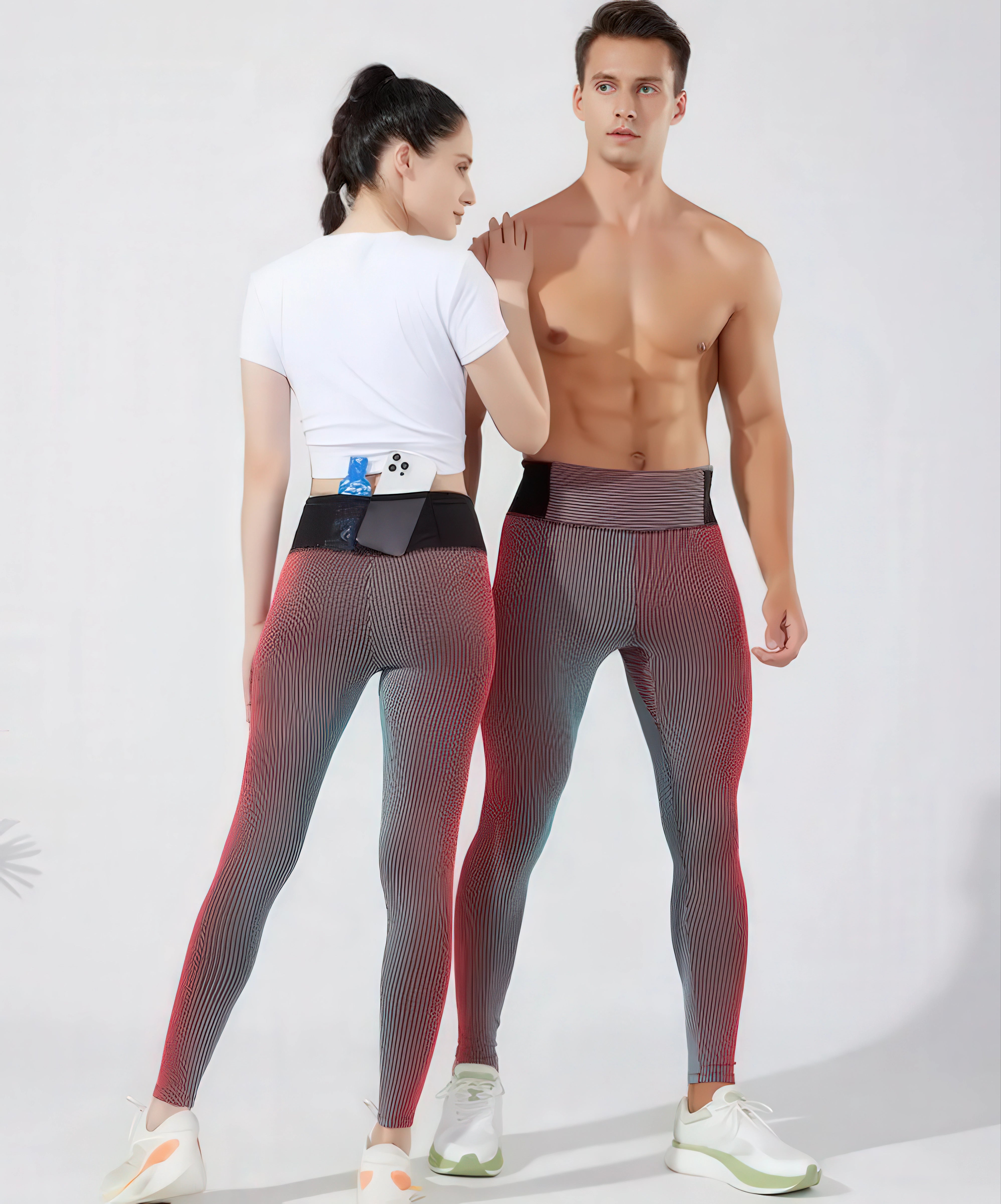
- Legs: Compression tights for cold-weather runs
- Key features: Reflective elements for low-light visibility, secure phone storage
HIIT & Functional Training
Priorities: Breathability, unrestricted movement, quick-drying
-
Shorts: Mesh panels or ultra-breathable construction, 5-7 inch inseam
- Top: Tank or lightweight tee with maximum shoulder mobility
- Shoes: Cross-trainers with lateral support
- Key features: Split hems or side vents for lateral movement
Yoga & Mobility Work
Priorities: Stretch, comfort, coverage during inverted poses
-
Shorts: Fitted or compression-style to prevent riding up during inversions
- Top: Fitted tee or tank that stays in place during downward dog
- Legs: Training joggers or tights for cooler studios
---
The Layering System
Training in variable conditions — outdoor sessions, poorly heated gyms in winter, or transitioning between indoor and outdoor work — requires a layering approach:
Layer 1: Base (against skin)
Purpose: Moisture management - Compression short or brief - Compression top or lightweight base tee - Rule: Always moisture-wicking — never cotton against skinLayer 2: Primary Training Layer
Purpose: Your main training garment - Training shorts - Training tee or tank - Rule: Choose based on the session type, not just the temperatureLayer 3: Insulation/Warm-Up
Purpose: Heat retention during warm-up and rest periods - Lightweight hoodie or training jacket - Training joggers (over shorts for outdoor warm-ups) - Rule: Easy to remove as your body temperature risesLayer 4: Weather Protection (Outdoor)
Purpose: Wind and light rain protection - Windbreaker or water-resistant shell - Rule: Only necessary for outdoor training in adverse conditions---
Australian Context: Training Through the Seasons
Summer (December-February)
- Primary: Mesh tanks, 4-5 inch shorts, ultra-lightweight tees - Challenge: Managing extreme heat — prioritise ventilation and moisture-wicking - Australian note: UV protection matters for outdoor trainers. Consider UPF-rated gear for beach workouts or outdoor circuits.Autumn (March-May)
- Primary: Standard training shorts, short sleeve tees - Add: Lightweight hoodie for early morning sessions - Ideal training season: Moderate temperatures allow full effort without heat management concernsWinter (June-August)
- Primary: Training joggers, long sleeve tops, compression base layers - Add: Thermal compression shorts, training hoodie - Australian note: Even "cold" Australian winters rarely require heavy gear. A quality jogger and hoodie combination is sufficient for most indoor gym environments. Outdoor trainers in Canberra, Melbourne, and Tasmania benefit from thermal compression layers.Spring (September-November)
- Primary: Transition back to shorts and breathable tees - Keep: Joggers for cool mornings, one hoodie for variable conditions - Ideal training season: Like autumn, spring offers excellent training conditions---
Gear Maintenance: Extending the Life of Your Investment
Quality training gear should last years, not months. The difference is in how you care for it:
Washing
- Cold water, inside out — preserves fabric treatments and prevents surface abrasion - Separate by fabric type — don't wash heavy cotton hoodies with lightweight performance fabrics - Skip fabric softener entirely — it coats moisture-wicking fibres and reduces their effectiveness permanently - Close all zippers before washing to prevent snagging on other garmentsDrying
- Air dry everything — dryers degrade elastic, spandex, and technical fabric coatings - Hang shorts by the waistband — not folded over the line, which creates crease points - Dry in shade — direct sun exposure fades colours and degrades synthetic fibres over timeStorage
- Fold, don't hang — hanging stretches shoulders on tees and tanks - Store dry — even slight dampness promotes bacterial growth and odour - Rotate actively — using a first-in, first-out rotation ensures even wear across your collectionRetirement Signals
- Elastic failure: Waistband no longer stays in place during movement - Transparency: Fabric becomes see-through when stretched (especially across the seat on shorts) - Permanent odour: Anti-odour treatments have been overwhelmed — the gear smells even immediately after washing - Seam failure: Stitching is coming apart at stress points - Compression fade: Compression shorts feel like regular tights with no supportive pressure---
Frequently Asked Questions
How many sets of gym clothes do I need?
For training 4-5 days per week: 4-5 pairs of shorts, 4-5 tops, and 2-3 sets of compression base layers. This allows you to train between laundry cycles without re-wearing sweaty gear.
Should I wear a tank top or t-shirt to the gym?
Tank tops provide superior shoulder mobility and ventilation — ideal for upper-body days, summer training, and physique-focused sessions. Tees offer more coverage and are the better choice for cooler conditions, contact drills, or if you prefer a more modest training style. Most athletes benefit from having both.
What's the best fabric for gym clothes?
Polyester-spandex blends (typically 85-90% polyester, 10-15% spandex) offer the best combination of moisture-wicking, four-way stretch, and durability for most training. For running and cardio, lighter nylon-spandex blends reduce weight while maintaining performance.
Do I need different gear for different types of workouts?
Yes — and it matters more than most men realise. Running in heavy training shorts leads to chafing. Lifting in running shorts that lack stretch restricts squat depth. HIIT in cotton becomes a sweat-soaked disaster. Matching your gear to your session type improves both performance and comfort.
How often should I replace my training gear?
With proper care, quality training shorts and tops should last 12-24 months of regular use (3-5 sessions per week). Compression garments have a shorter lifespan (6-12 months) because the elastic fibres degrade with each wear-wash cycle. Replace individual pieces when they show retirement signals, not on a calendar schedule.
Can I wear my training gear casually?
Modern training apparel with clean design and premium fabric transitions well to casual wear. Training joggers, in particular, have become a staple of men's casual style. The key is choosing pieces without excessive branding or overtly "gym-only" aesthetics.
---
The Bottom Line
Your training wardrobe is an investment in consistency. When you have the right gear — clean, functional, and matched to your session — the friction between "should I train?" and "I'm training" disappears.
Start with the essentials. Build over time. Treat your gear well. And remember: the best training gear is the gear that gets worn — session after session, week after week, year after year.
Dress for the work. Show up. Perform.
---
This guide is part of the MYOVV Performance Knowledge Base. Build your complete training wardrobe at myovv.com.
-
Shorts: Fitted or compression-style to prevent riding up during inversions
- Top: Fitted tee or tank that stays in place during downward dog
- Legs: Training joggers or tights for cooler studios
-
Shorts: Mesh panels or ultra-breathable construction, 5-7 inch inseam
- Top: Tank or lightweight tee with maximum shoulder mobility
- Shoes: Cross-trainers with lateral support
- Key features: Split hems or side vents for lateral movement
-
Shorts: 2-in-1 with compression liner, 4-5 inch inseam
- Top: Singlet or ultra-lightweight tee
- Legs: Compression tights for cold-weather runs
- Key features: Reflective elements for low-light visibility, secure phone storage
-
Shorts: 4-5 inch inseam, four-way stretch, gusseted crotch
- Top: Tank or fitted tee for upper-body days; compression base layer for leg days
- Outer layer: Lightweight hoodie as pump cover
- Accessories: Lifting belt (not apparel but essential), flat-soled training shoes



Leave a comment
This site is protected by hCaptcha and the hCaptcha Privacy Policy and Terms of Service apply.