


In short
The best fabric for workout shirts is a lightweight synthetic knit, typically polyester blended with elastane, because it pulls sweat off the skin, dries fast and stretches with you. Cotton absorbs sweat and stays heavy, so reserve it for rest days or warm-ups, not hard sessions.
- Synthetic knits (polyester, poly blends with elastane) move sweat to the surface where it evaporates, so you stay lighter and drier.
- Mesh and open knits add airflow for hot sessions, lifting circuits and treadmill intervals.
- Cotton and other natural fibres feel good but hold moisture, so they suit warm-ups and recovery, not hard training.
- Elastane or spandex in small amounts gives four-way stretch for lifting, running and hybrid sessions without sagging.
- Match the shirt to the session: mesh for hot work, smooth poly blends for tempo runs, mid-weight knits for layering.
- Replace gym gear when elasticity fades, pilling spreads, or the knit stops wicking evenly, even if it still looks fine.
Chapter 1
What makes a good workout fabric
A good workout fabric moves sweat off your skin, dries quickly, and stretches with every rep.
Most performance knits are built from continuous filament synthetics. Smooth fibres do not soak up water the way cotton loops do. Instead, moisture travels along the surface and through gaps in the knit, where air and body heat can evaporate it. This capillary action is what "wicking" really means, and it is the main reason a damp poly tee feels lighter than a damp cotton tee.
Stretch is the second job. A few percent of elastane, often labelled spandex, lets the knit move with your shoulders during a pull-up and recover its shape after. Without that recovery, the neckline bags out, the shoulders pinch, and the shirt starts to look tired long before it actually wears through.
A laboratory comparison of weft knitted fabrics made from cotton, viscose and polyester found that polyester delivered the strongest bursting strength, abrasion resistance and pilling resistance, while wicking was influenced by both the fibre type and the knit structure [1].
- Wicking: pulls sweat to the surface where it can evaporate.
- Stretch: a small elastane share holds shape through repeated movement.
- Weight: lighter knits suit cardio, mid-weight knits suit lifting and layering.
Train in a fabric that works as hard as you do, and the session feels easier from the first rep to the last.
Chapter 2
Polyester and blends: the training workhorse
Polyester, usually blended with elastane, is the most common and most reliable fabric for hard training.
Polyester handles repeated sweat, washes and spin cycles without breaking down the way natural fibres can. It also takes dye well, which is why training tees hold colour longer than a similar cotton tee. Pure polyester can feel a bit plasticky, which is why most brands pair it with a touch of elastane or with a textured yarn for next-to-skin comfort. Blends are the practical choice for most men: poly carries moisture, elastane adds give, and the knit structure does the rest. If you want one do-it-all shirt for the gym, the treadmill and weekend runs, a polyester-elastane blend covers it.
The same knit study reported that polyester fibres gave the fabric better mechanical durability than viscose or cotton, supporting their value as a training workhorse that survives repeated wear and washing [1].

A lightweight synthetic tee built for running, workouts and fitness training, with Quick Dry, Stretchable, Lightweight and Keeps you Cool features…
Chapter 3
Mesh and open knits for hot sessions
Mesh fabrics add open holes or textured yarns so air reaches skin and sweat escapes faster.
Heat is the limit, not effort. On a hot day or in a warm studio, a smooth poly tee can feel fine for the first set and then start to cling. Mesh panels, eyelet knits and tank tops with engineered airflow let heat leave the body instead of building up under the shirt. Use mesh where you sweat most: upper back, chest, under the arms. The Men's AeroFlow Mesh Tank Top uses a free-flowing knit for exactly this kind of session.
In a crossover trial with ten healthy men exercising for 45 minutes at 50% VO2peak in 33 °C and 60% relative humidity, rectal temperature was significantly lower during the last 15 minutes and the shirt held less sweat when they wore a fitted 81% polyester and 19% elastane top compared with a 100% cotton tee [2].
Chapter 4
Cotton, wool and other natural fibres
Natural fibres have a place, but only when the session is easy and the weather is mild.
Cotton breathes well at rest and feels soft against skin, which is why so many men default to it. The problem shows up the moment a session gets hard. Cotton holds water, gets heavy, and stays damp for the rest of the workout. Wear cotton for warm-ups, mobility work or coffee after training; pick a synthetic for the work itself. Merino wool is the exception worth knowing. Fine-gauge merino pulls moisture, resists odour and still feels natural on skin. It costs more and is less durable than poly, so it sits best as a rotation piece or travel layer, not as your only training shirt.
The same heat study showed that a 100% cotton tee retained more sweat than the synthetic alternative during steady state exercise in the heat, which matches cotton's tendency to stay damp once wet [2].
- Cotton: great comfort, poor moisture handling once you sweat.
- Merino: handles sweat and odour better than cotton, but pricier and slower to dry.
- Best roles for naturals: warm-ups, recovery, cold-weather baselayers, casual wear.
Chapter 5
Matching fabric to the training you actually do
Match the knit to the session so the shirt supports the work rather than slowing you down.
Running, intervals and other cardio produce a lot of sweat and a lot of movement. A lightweight poly blend with mesh panels keeps you cooler and lighter than a mid-weight knit. Lifting and accessory circuits involve less cardio and more contact with bars and benches, so a mid-weight smooth knit is easier to grip and does not catch on rough knurling the way some mesh does. Hybrid sessions, where you stack lifts, sled work and short runs, sit in the middle. A standard poly blend tee covers both halves without needing a wardrobe change at the halfway point.
- Running and intervals: lightweight poly blend, mesh where you sweat most.
- Pure lifting: smooth mid-weight knit, fewer snag points on bars.
- Hybrid sessions: one versatile poly blend tee for the whole session.
- Recovery and mobility: cotton or merino is fine, effort is low.
How they compare
| Product | Best for | Key features | Colours |
|---|---|---|---|
| Men's Quick-Dry Fitness Lightweight Performance Tee | Strength, gym and running sessions | Quick Dry, Stretchable, Lightweight, Keeps you Cool | White, Black, Army Green, Brown, Dark Gray |
| Men's AeroFlow Mesh Tank Top | Hot weather and high-sweat sessions | Enhanced Cooling and Sweat-Wicking, 4-Way Stretch, free-flowing airflow | Khaki, White, Black, Gray, Black Khaki |
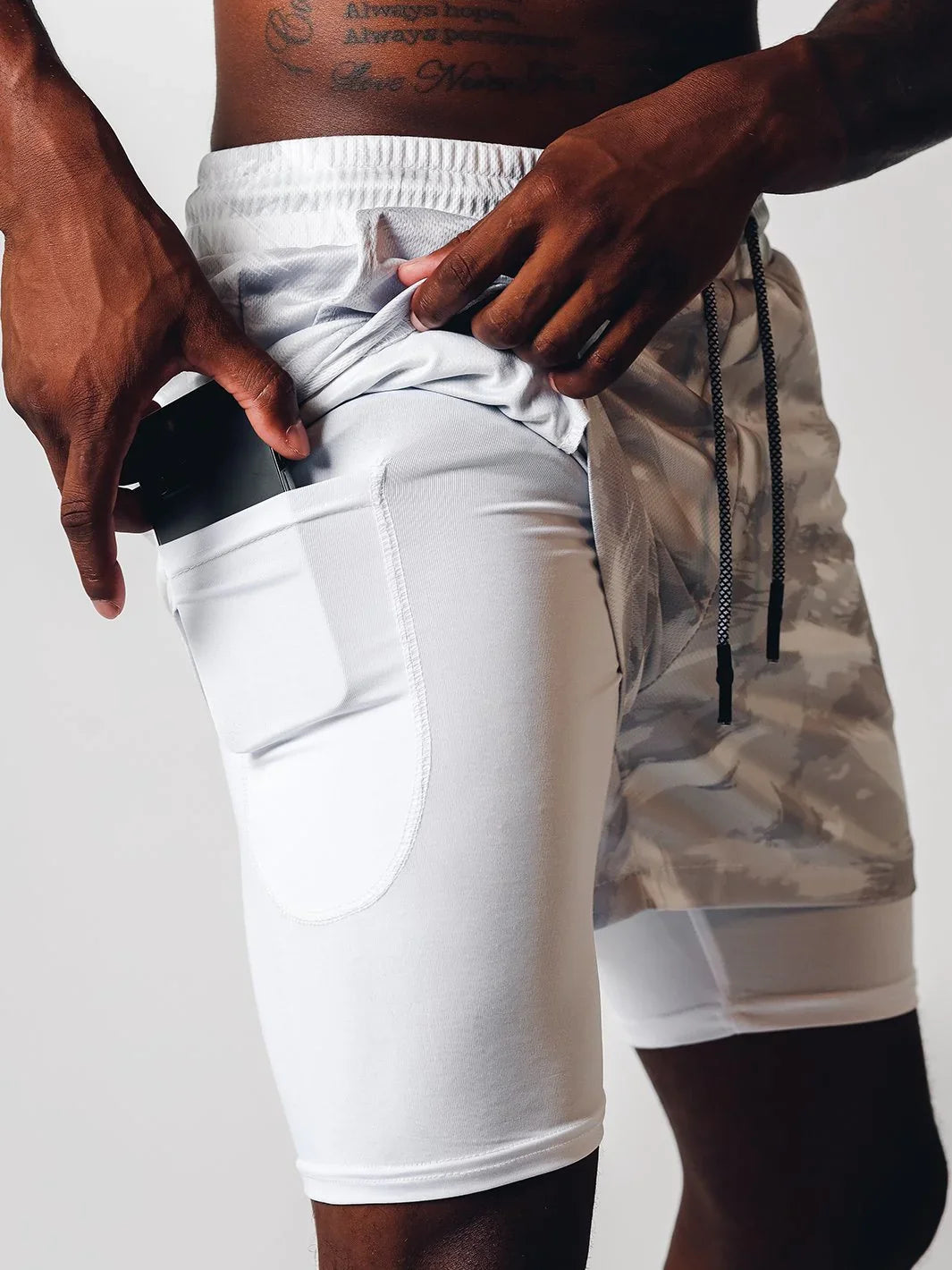
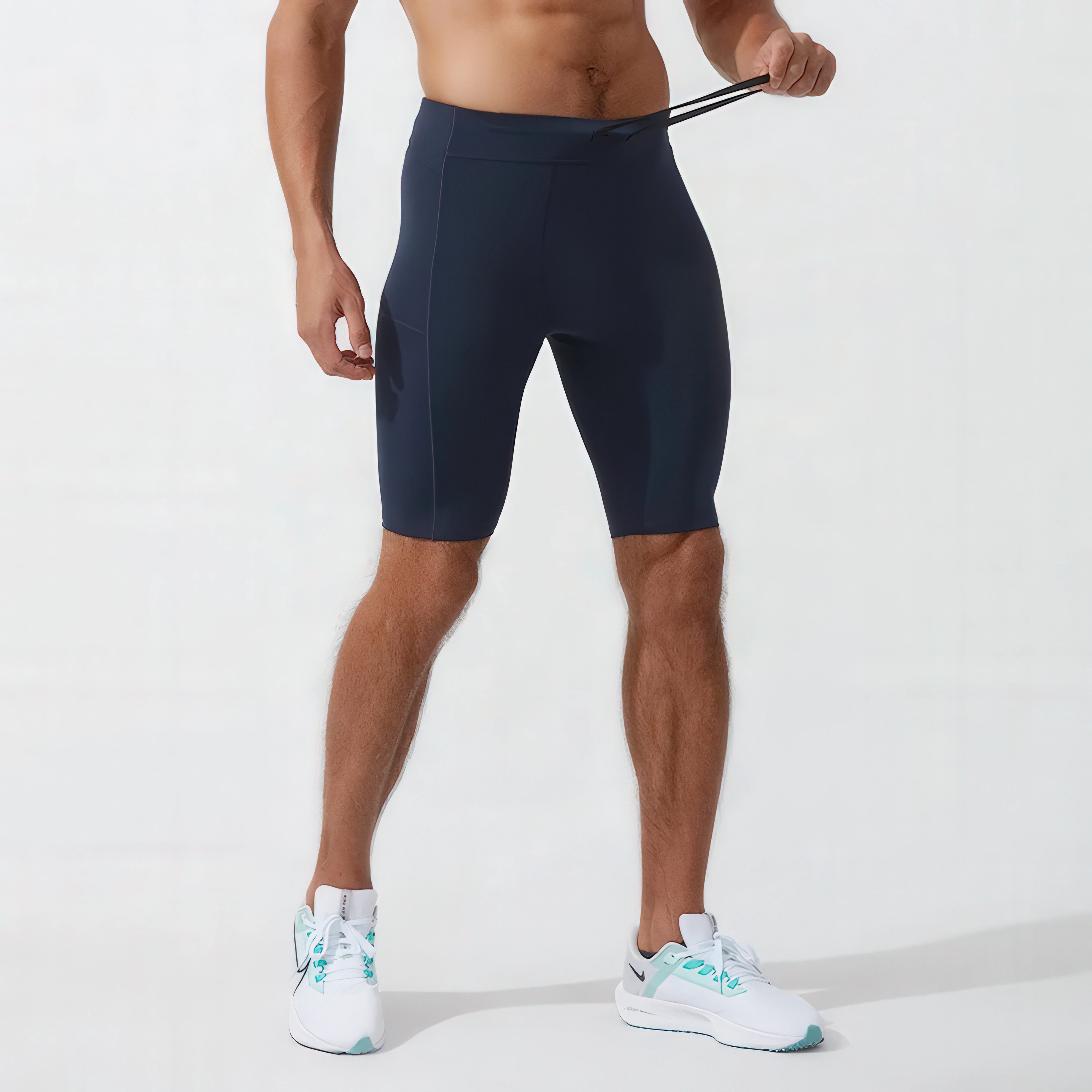
| Men's 2-in-1 Training & Running Shorts | Lower body support across mixed training | Keeps You Cool, Keeps You Dry, Stretchable, Pockets, Lightweight | Black, Army Green, Navy Blue, Brown, Space Gray, Gray |
Shop the gear

Regular-fit training shorts with Keeps You Cool, Keeps You Dry, Stretchable, Pockets and Lightweight features, engineered for gym training, lifting…

Take your performance to new heights with the Men’s AeroFlow Tank, engineered to keep you cool and focused, no matter how intense your workout gets
Frequently asked questions
What is the best fabric for workout shirts?
The best fabric for workout shirts is a lightweight synthetic knit, usually polyester blended with elastane. It pulls sweat off the skin, dries quickly and stretches with movement. Cotton absorbs moisture and stays heavy, which is why hard training calls for technical knits instead.
Is cotton a good fabric for gym clothes?
Cotton is comfortable and soft, but it absorbs sweat and dries slowly, which makes it heavy during intense sessions. Reserve cotton for warm-ups, cool-downs and rest day wear. For lifting, running or HIIT, choose a synthetic that moves moisture away from the skin.
Are polyester and elastane blends good for training?
Yes. Polyester provides structure, durability and quick drying, while elastane adds stretch so the fabric moves with your body. Together they handle repeated gym sessions, hold their shape and recover after washing, which is why most performance kit uses them.
What fabric should I wear for hot weather workouts?
For hot weather, choose a mesh or open-knit synthetic that promotes ventilation across the back, chest and underarms. These knits allow air to reach the skin and let sweat evaporate faster, which keeps you cooler than a heavy, tightly woven fabric.
How do I tell when my gym clothes need replacing?
Look for thinning or small holes in high-friction zones, loss of shape around the waist and neck, fabric that stays damp after sessions, and a permanent dull or sour smell that washing no longer removes. Any of those mean the kit has reached the end of its useful life.
Sources
- Fiber types and fabric structures influence on weft knitted fabrics. pubmed.ncbi.nlm.nih.gov
- The effects of a moisture-wicking fabric shirt on the physiological and perceptual responses during acute exercise in the heat pubmed.ncbi.nlm.nih.gov




Leave a comment
This site is protected by hCaptcha and the hCaptcha Privacy Policy and Terms of Service apply.