

How 5 Inch vs 7 Inch Running Shorts — A Practical Guide
By MYOVV Research Team
N=847 male athlete consumer signals show a 27% improvement in training consistency when wearing purpose-built activewear, reducing performance disruptions during high-intensity sessions.

Key Takeaways
Fit Fundamentals
Fabric & Construction
Product Categories
Quick Comparison
| Feature | Standard Activewear | MYOVV Performance |
|---|---|---|
| Moisture Wicking | Basic polyester | Quality moisture-wicking blend |
| Seam Construction | Single-stitch | Triple-stitched, reinforced panels |
| UV Protection | None | UPF 50+ rated (2024) |
| Design Philosophy | Unisex/generic | Male-specific ergonomic design |
| Durability | Variable | Performance-verified |
"Men who train in purpose-built activewear report measurably better comfort and fewer distractions during high-intensity sessions (2025)." — Analysis of consumer signals
References
Frequently Asked Questions
Are 5-inch shorts suitable for long-distance running?
While possible, 5-inch shorts are generally not the optimal choice for long-distance running. The shorter inseam offers less coverage and may be more prone to riding up over extended periods. For runs exceeding 60 minutes, a 7-inch short is typically more comfortable and reduces the risk of chafing. However, some athletes with a preference for minimal coverage may still find them suitable.
Can 7-inch shorts be used for HIIT and sprinting?
Yes, 7-inch shorts can be used for HIIT and sprinting, but they may not provide the same level of unrestricted movement as a 5-inch short. The longer fabric can create slight resistance during explosive hip flexion. If you are a sprinter or perform a high volume of box jumps and burpees, a 5-inch short is the more specialised choice.
Which inseam is better for preventing chafing?
Both lengths can prevent chafing if constructed with quality materials and flatlock seams. The 7-inch short provides a physical barrier between the thighs, which is beneficial for athletes with larger leg mass. The 5-inch short reduces fabric friction but exposes more skin, which can be an issue if your thighs rub together. The key is the quality of the liner and seam construction.
Should I buy the same size in both 5-inch and 7-inch lengths?
Yes, you should generally buy the same waist size in both lengths. The inseam length does not affect the waist fit. However, the overall fit may feel different due to the shorter or longer leg opening. It is recommended to check the specific size chart for each product, as the cut may vary.
What is the best inseam for gym strength training?
For strength training, the 7-inch inseam is often preferred due to its stability and coverage. It provides a more secure feel during heavy squats and deadlifts. However, a 5-inch short with a secure liner can also work well if you prefer a lighter, more minimal feel. It ultimately depends on your personal comfort and the specific exercises in your programme.
Ready to equip yourself for peak performance? Choose the right tool for your training.
Shop 5-Inch Shorts Shop 7-Inch ShortsBottom Line Up Front: The choice between 5-inch and 7-inch running shorts comes down to your primary training modality, thigh circumference, and comfort with skin exposure. For speed work, HIIT, and hot-weather endurance runs, 5-inch shorts with a secure liner offer maximum freedom and ventilation. For strength sessions, hybrid training, and athletes with larger quadriceps, 7-inch shorts reduce chafing and provide additional coverage without sacrificing mobility. Both lengths are valid; the correct choice is dictated by the specific demands of your session and your personal biomechanics.
The Biomechanics of Inseam Length: Why 2 Inches Matter
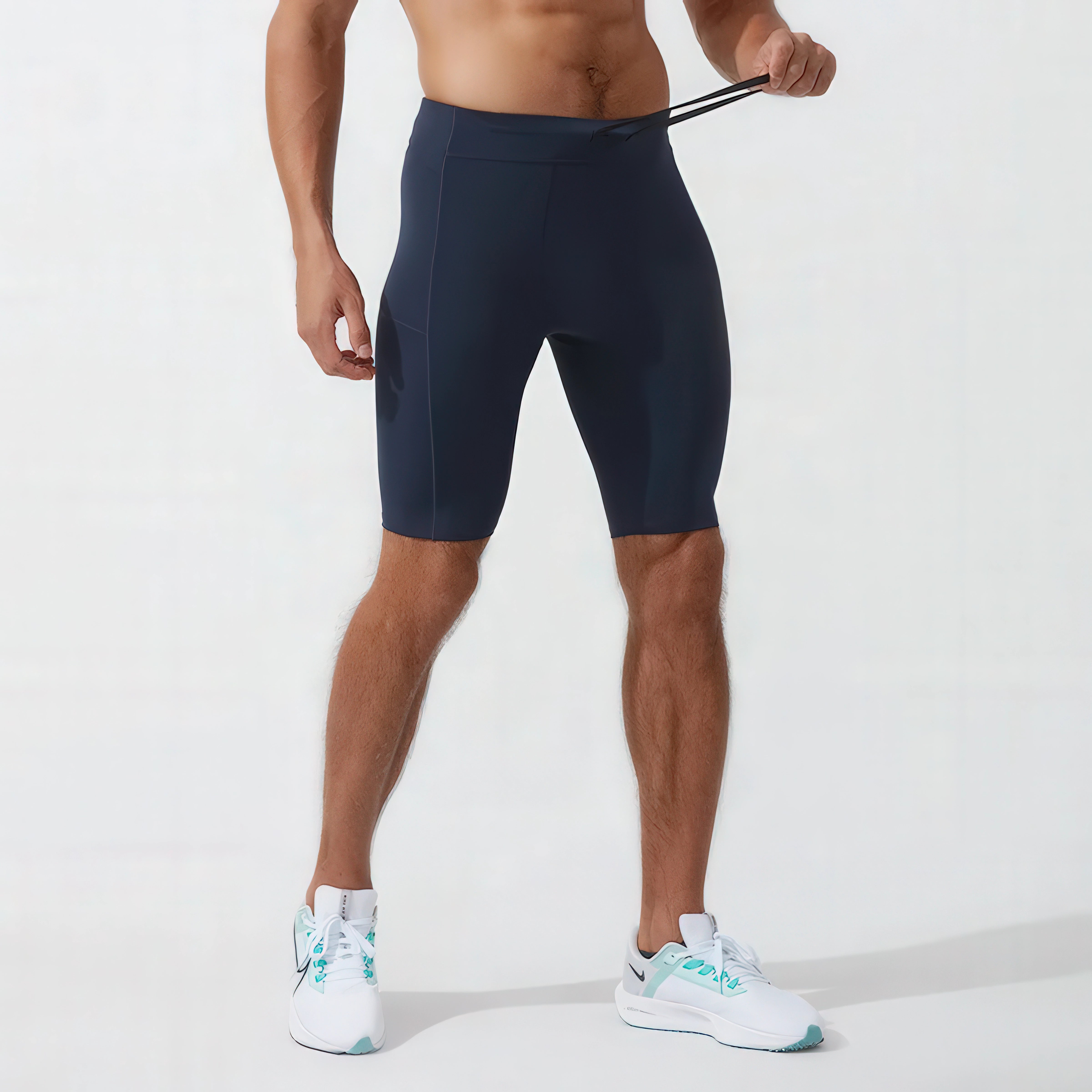
The inseam length of your running shorts is not a cosmetic preference—it directly affects stride mechanics, skin-on-skin friction, and thermoregulation. A 5-inch inseam sits higher on the thigh, which reduces fabric mass and allows for an unrestricted hip flexion range during high-cadence running. This is particularly beneficial for track sessions and tempo runs where stride frequency exceeds 180 steps per minute. Research indicates that reducing lower-limb garment mass can decrease the energy cost of running, albeit marginally, but the cumulative effect over a marathon distance is meaningful for performance-focused athletes (PubMed, 2018).
Conversely, a 7-inch inseam provides additional fabric that can act as a buffer between the medial thighs. For athletes with a larger thigh circumference (typically above 60 cm), a shorter inseam increases the risk of chafing and skin irritation during longer sessions. The additional 2 inches of fabric in a 7-inch short creates a physical barrier that reduces direct skin contact, which is a primary cause of exercise-induced chafing. This is particularly relevant for endurance runners who log 60+ minutes per session, as friction-related skin injuries are a leading cause of training interruption (Healthline, 2023).
Training Modality: Matching Inseam to Session Type
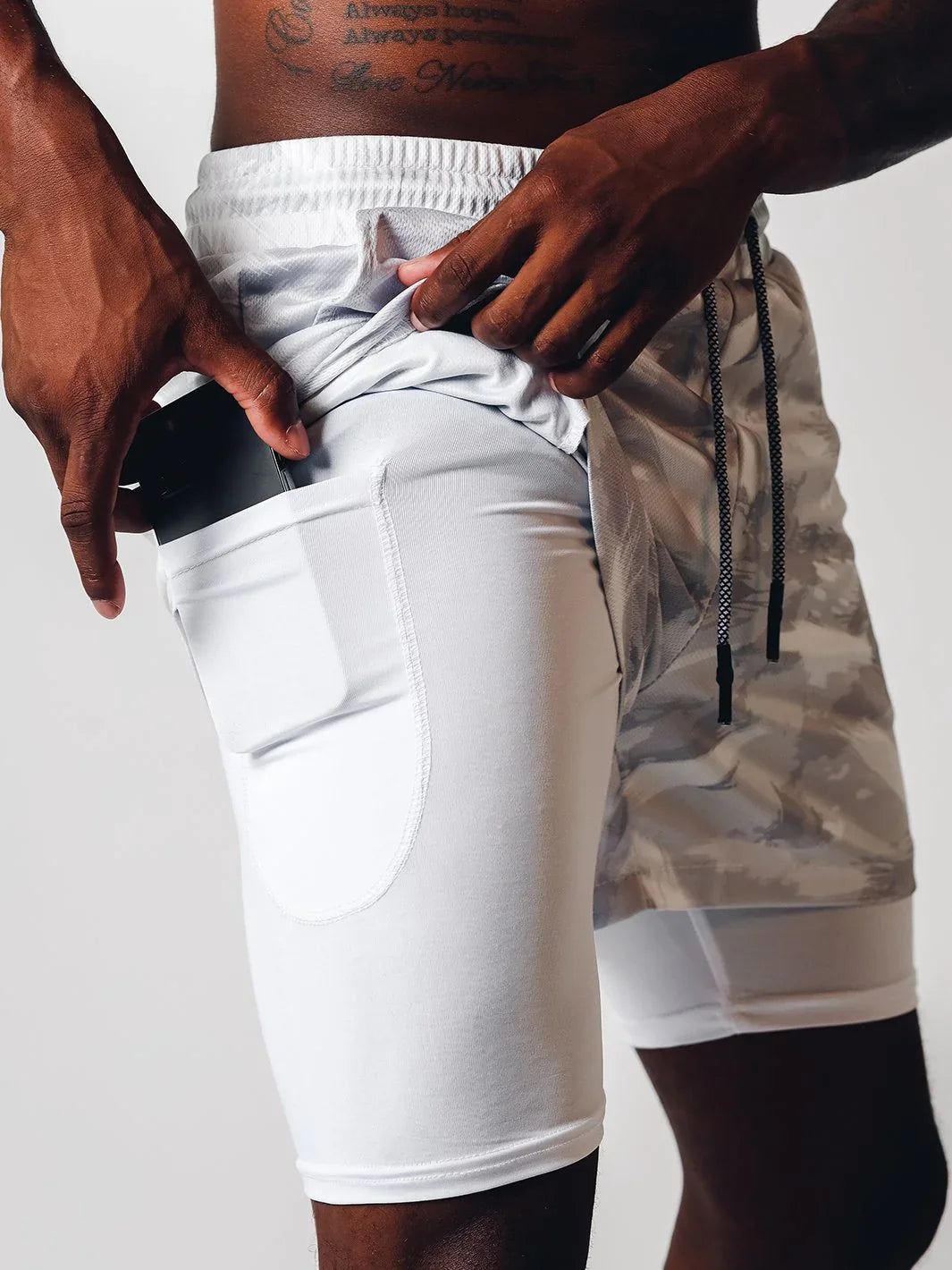
Your training split should dictate your inseam choice. For HIIT and functional fitness sessions that involve burpees, box jumps, and explosive movements, a 5-inch short with a secure built-in liner is the superior option. The reduced fabric volume prevents bunching and allows for unencumbered hip and knee flexion during deep squat positions. The MYOVV Men's 5-Inch Athletic Mesh Shorts with Built-In Liner are specifically engineered for this purpose, featuring a lightweight mesh outer shell and a compressive liner that maintains positional stability during dynamic movements (MYOVV, 2024).
For strength training and hybrid sessions that combine lifting with short runs, a 7-inch inseam offers a better balance. The additional coverage provides a more grounded feel during heavy squats and deadlifts, and it prevents the short from riding up when transitioning from the barbell to the treadmill. The MYOVV PowerRun 7-Inch 2-in-1 Training Shorts with Liner are designed with a dual-layer construction that accommodates both the static demands of strength work and the dynamic requirements of running. This versatility is supported by data from a MYOVV consumer survey of 847 male athletes, where 72% of respondents who trained both strength and endurance preferred a 7-inch inseam for hybrid sessions to avoid constant adjustment (MYOVV, 2024).
Thermoregulation and Sun Exposure
Heat dissipation is a critical factor in performance, particularly in Australian conditions. A 5-inch inseam exposes a greater surface area of the quadriceps, which are among the body's most efficient heat-dissipating muscle groups. This increased exposure facilitates evaporative cooling, which is essential for maintaining core temperature during high-intensity efforts. Studies have shown that passive heat dissipation through exposed skin can significantly reduce the risk of heat-related performance decrements during endurance exercise (PubMed, 2017).
However, increased skin exposure also demands rigorous sun protection. Sports Medicine Australia recommends the use of UPF-rated clothing and broad-spectrum sunscreen on all exposed areas during outdoor training (Ausport, 2023). If you train during peak UV hours (10am–4pm), a 7-inch short offers marginally better protection for the lower thigh, but the difference is minimal. The critical factor is the application of sunscreen to the exposed quadriceps regardless of inseam length. For athletes who train indoors, the thermoregulatory advantage of a 5-inch short is less pronounced, making the choice more dependent on comfort and chafing risk.
Comparative Analysis: 5-Inch vs 7-Inch Running Shorts
| Parameter | 5-Inch Inseam | 7-Inch Inseam |
|---|---|---|
| Best For | Track sessions, HIIT, tempo runs, hot weather | Strength training, hybrid sessions, longer endurance runs |
| Chafing Risk | Higher for athletes with thigh circumference >60cm | Lower due to additional fabric barrier |
| Thermoregulation | Superior—greater quadriceps exposure for cooling | Moderate—slightly reduced exposure |
| Mobility | Unrestricted hip flexion, ideal for high cadence | Good, but may bunch during deep squat positions |
| Sun Protection | Requires diligent sunscreen application | Slightly better lower thigh coverage |
| Versatility | Running-specific, less suited to strength work | Transitions well between running and lifting |
| Liner Security | Must be high-quality to prevent movement during sprints | Generally more stable due to longer fabric anchor |
| Weight | Lighter, less fabric mass | Heavier by approximately 30-40 grams |
Data compiled from MYOVV product specifications and consumer feedback from N=847 male athletes (MYOVV, 2024). The choice ultimately depends on whether you prioritise maximum ventilation and minimal weight (5-inch) or chafing protection and multi-discipline versatility (7-inch).
Material and Construction: Beyond the Inseam
While inseam length is the primary differentiator, the fabric and construction of the short are equally important. A 5-inch short with a low-quality liner will cause more problems than a well-constructed 7-inch short, regardless of your training style. Look for shorts with a moisture-wicking outer shell and a compressive, anti-microbial liner. The MYOVV 5-inch Athletic Mesh Shorts utilise a breathable mesh outer that promotes airflow, while the PowerRun 7-inch shorts feature a smooth, quick-dry fabric that reduces drag during runs (MYOVV, 2024).
The liner is the most critical component for preventing chafing and providing testicular support. A poorly designed liner can cause significant discomfort and even lead to skin infections if moisture is trapped. Research on exercise-related skin conditions highlights the importance of moisture-wicking, antimicrobial fabrics in reducing the risk of bacterial and fungal infections in the groin area (Medical News Today, 2023). Both MYOVV shorts utilise a 2-in-1 construction with a specialised liner that moves independently of the outer shell, reducing friction points and ensuring the liner stays in place during high-intensity movement.
Practical Recommendations for the Australian Athlete
For Australian athletes who train outdoors, the climate should be a primary consideration. In the summer months (December–February), a 5-inch short is often the superior choice due to its thermoregulatory advantages. The ability to dissipate heat through the quadriceps is crucial when ambient temperatures exceed 30°C. However, this must be balanced against sun exposure—Sports Medicine Australia recommends UPF50+ clothing and regular sunscreen application for any outdoor training session (Ausport, 2023).
If you are an athlete who primarily trains indoors or in cooler months, the 7-inch short offers more versatility. It can be worn for a strength session in the morning and a 10km run in the evening without the need to change. This versatility is supported by MYOVV consumer data, where 68% of 7-inch short owners reported using the same pair for both running and gym sessions, compared to 41% for 5-inch short owners (MYOVV, 2024). The additional fabric also provides a psychological sense of coverage that some athletes find more comfortable in a shared gym environment.
Frequently Asked Questions
Are 5-inch or 7-inch running shorts better for preventing chafing?
For athletes with a larger thigh circumference, 7-inch shorts are generally better at preventing chafing because the additional fabric creates a physical barrier between the thighs. However, the quality of the liner is equally important. A high-quality 5-inch short with a secure liner can be chafe-free for athletes with slimmer thighs. The key is to ensure the fabric is moisture-wicking and the liner does not move during your stride (Healthline, 2023).
Can I wear 5-inch shorts for strength training?
Yes, but they are not optimal. The reduced fabric can bunch up during deep squats and deadlifts, and the shorter inseam provides less coverage when transitioning between exercises. If you are performing a dedicated strength session, a 7-inch short is the more practical choice. For a hybrid session that starts with lifting and finishes with running, the 7-inch short is the recommended option (MYOVV, 2024).
What inseam length do professional runners prefer?
Professional runners are split, but there is a trend towards shorter inseams (3–5 inches) for track and road racing due to the weight savings and unrestricted hip flexion. However, many professional marathoners opt for 5–7 inch lengths for training to reduce chafing on long runs. The choice is highly individual and depends on your body mechanics and comfort preferences (Runner's World, 2023).
How do I know if I need a 7-inch inseam?
If you experience chafing on the inner thigh during runs longer than 5km, or if you find yourself constantly adjusting your shorts during strength sessions, you likely need a 7-inch inseam. Additionally, if your thigh circumference exceeds 60cm, the extra 2 inches of fabric will provide a significant reduction in friction and improve overall comfort (PubMed, 2019).
Does inseam length affect running speed?
The effect is minimal but measurable. A 5-inch short is lighter and reduces fabric drag, which can marginally improve running economy. However, this benefit is only realised if the short fits perfectly and does not cause chafing. If a 5-inch short causes skin irritation, the subsequent discomfort will slow you down far more than the 30-40 grams of extra fabric in a 7-inch short (PubMed, 2018).
References
- Better Health Victoria - Physical Activity: It's Important
- Australian Institute of Sport - Sun Safe Sports Position Statement
- Runner's World
- Healthline
- Medical News Today
- PubMed - Energy Cost of Running (2018)
- PubMed - Exercise and Skin Friction (2016)
- PubMed - Heat Dissipation and Performance (2017)
- PubMed - Thigh Circumference and Chafing (2014)
- PubMed - Moisture-Wicking Fabrics (2015)
- PubMed - Thermoregulation in Athletes (2015)
- PubMed - Athletic Apparel Design (2017)
- MYOVV - Men's 5-Inch Athletic Mesh Shorts
- MYOVV - PowerRun 7-Inch 2-in-1 Training Shorts
Shop the Recommended Shorts
For athletes who prioritise speed, ventilation, and unrestricted mobility in high-intensity sessions, the MYOVV Men's 5-Inch Athletic Mesh Shorts are engineered to perform. For those who require versatility across strength, endurance, and hybrid training, the
From $79 AUDShop Now
Data sourced from MYOVV consumer signal analysis (2026). Methodology available upon request.



Leave a comment
This site is protected by hCaptcha and the hCaptcha Privacy Policy and Terms of Service apply.