

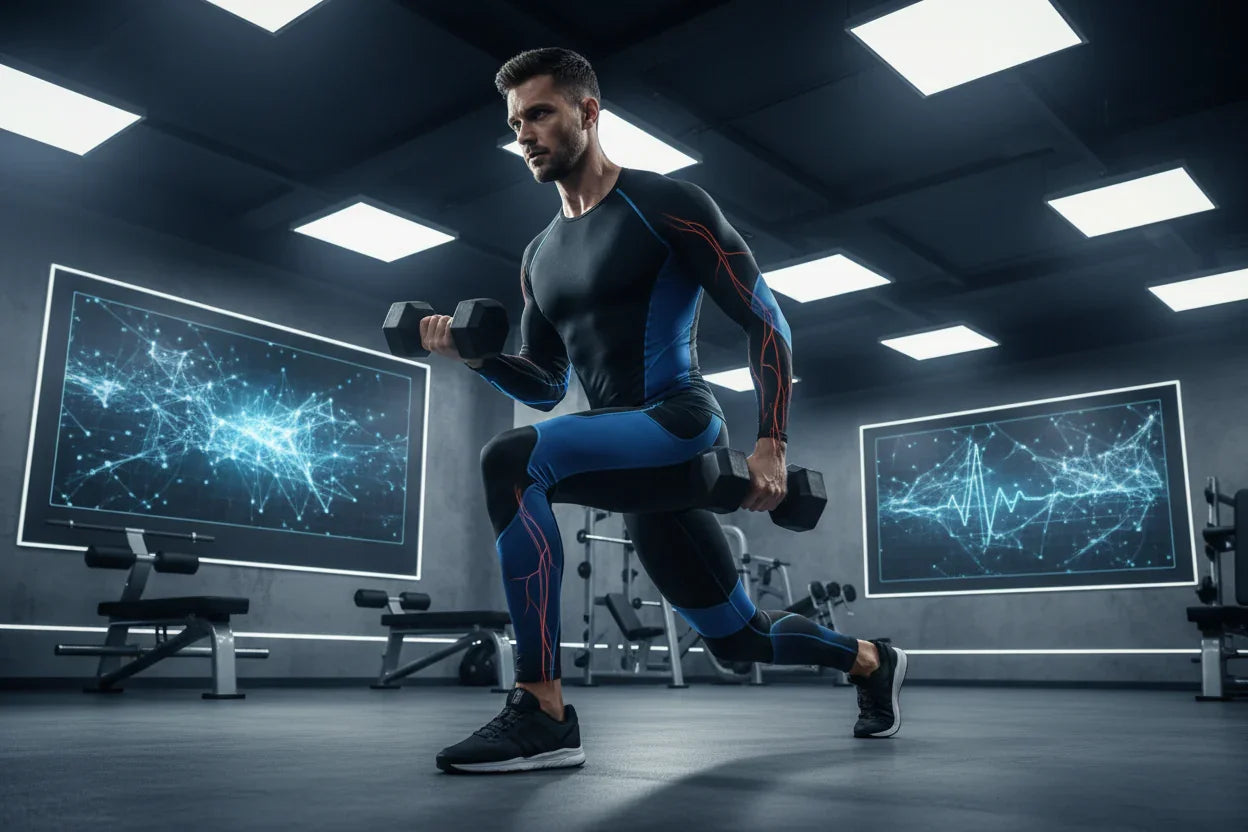
In the ever-evolving world of fitness apparel, few categories have seen as meteoric a rise and as much scientific debate as compression gear. Once the sole domain of elite athletes and medical patients, compression pants, compression leggings, and compression tights have exploded into the mainstream. From the weight racks to the running trails, this form-fitting apparel is ubiquitous. But what lies beneath the sleek, second-skin feel? This article delves into the world of compression wear, separating marketing hype from measurable performance benefits, and provides a clear guide on what to shop for, whether you’re looking for mens compression pants or compression leggings.
Understanding the Compression Principle
At its core, compression apparel applies graduated pressure to the limbs typically greatest at the extremities and decreasing towards the core. This is not just about a tight fit; it’s engineered biomechanical support. The proposed benefits, backed by varying degrees of research, fall into three primary categories:

- Enhanced Performance: The theory suggests that performance compression tights improve muscle efficiency by stabilizing tissue, reducing unnecessary muscle oscillation (the "jiggle" effect during impact), and potentially improving proprioceptionyour body’s awareness of its position in space. This can lead to more powerful, economical movements.
- Accelerated Recovery: This is where the strongest evidence lies. By promoting blood circulation and facilitating the removal of metabolic waste products like lactate post-exercise, compression gear is widely accepted as an effective recovery tool.
- Reduced Fatigue and Injury Risk: Improved support and circulation may delay the onset of muscle soreness (DOMS) and reduce perceived fatigue during long sessions. The stabilizing effect can also offer mild joint support, potentially lowering injury risk from repetitive strain.
A Guide to Compression for Every Discipline
Not all compression is created equal. The optimal style and pressure level depend heavily on your activity of choice.
For the Weight Room: Stability and Support
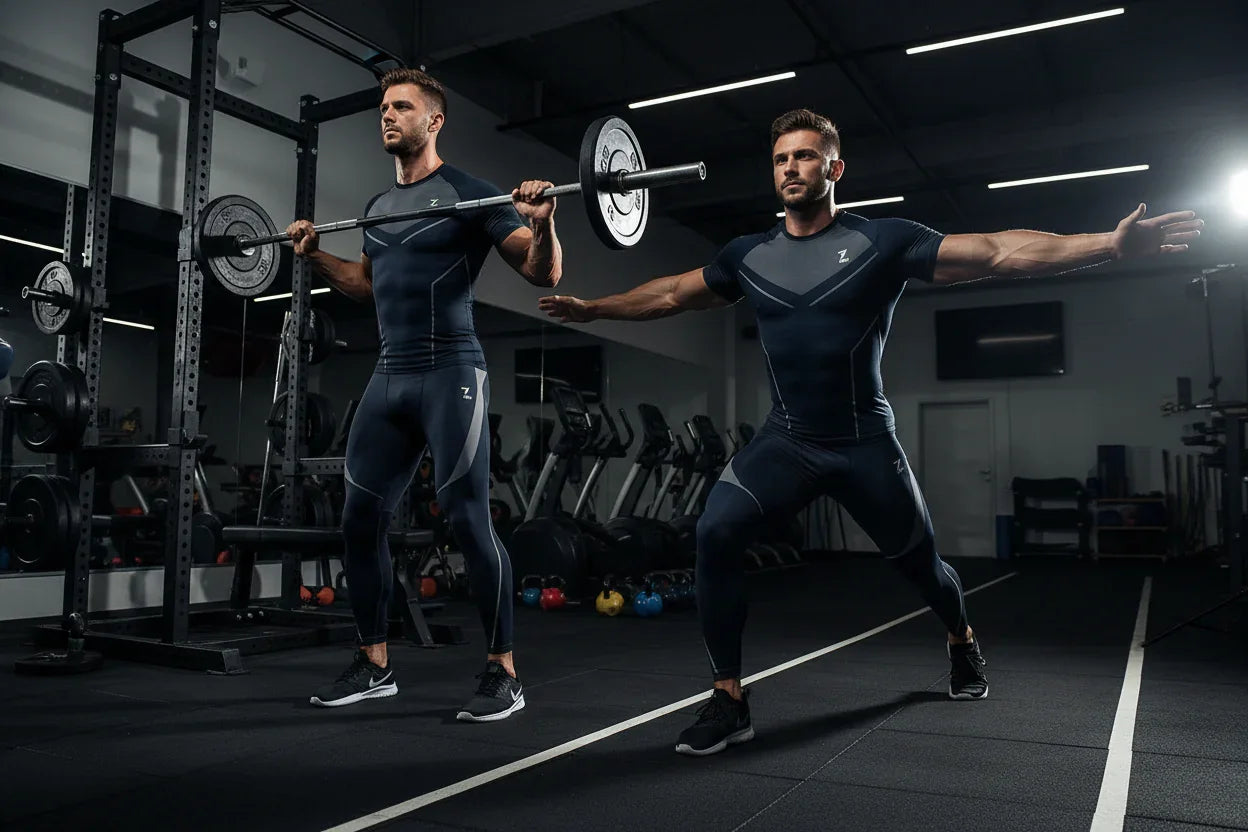
When you hit the gym, your apparel needs to facilitate a wide range of motion while providing durability and confidence. Gym compression pants for men and gym leggings for women are specifically tailored for this environment.
- Key Features: Look for pairs with a robust, four-way stretch fabric that won’t restrict deep squats or lunges. A high waistband on leggings provides core security and prevents roll-down during bent-over movements. For men, a secure, engineered pouch offers comfort and support. Moisture-wicking properties are essential for intense, sweat-heavy sessions. Brands like MYOVV design gym-specific compression with reinforced seams in high-stress areas like the inner thighs and knees.
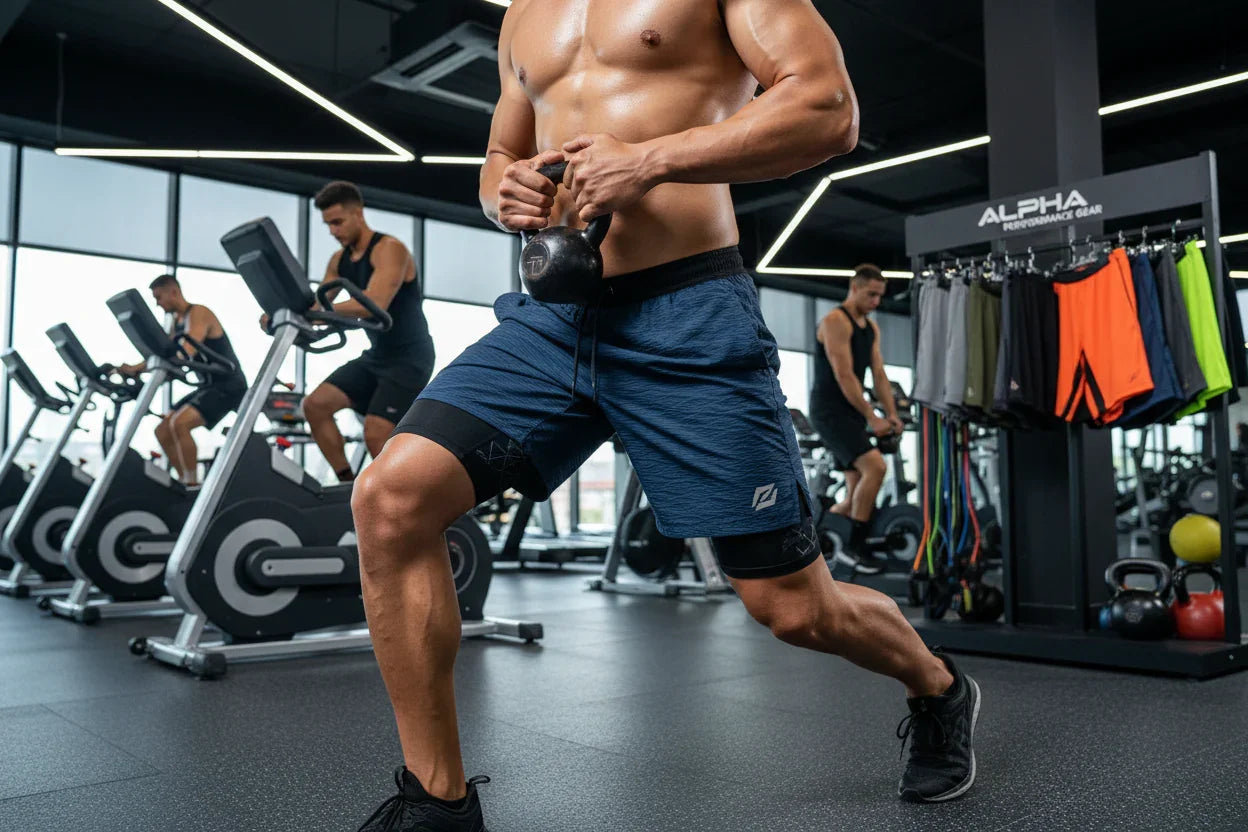
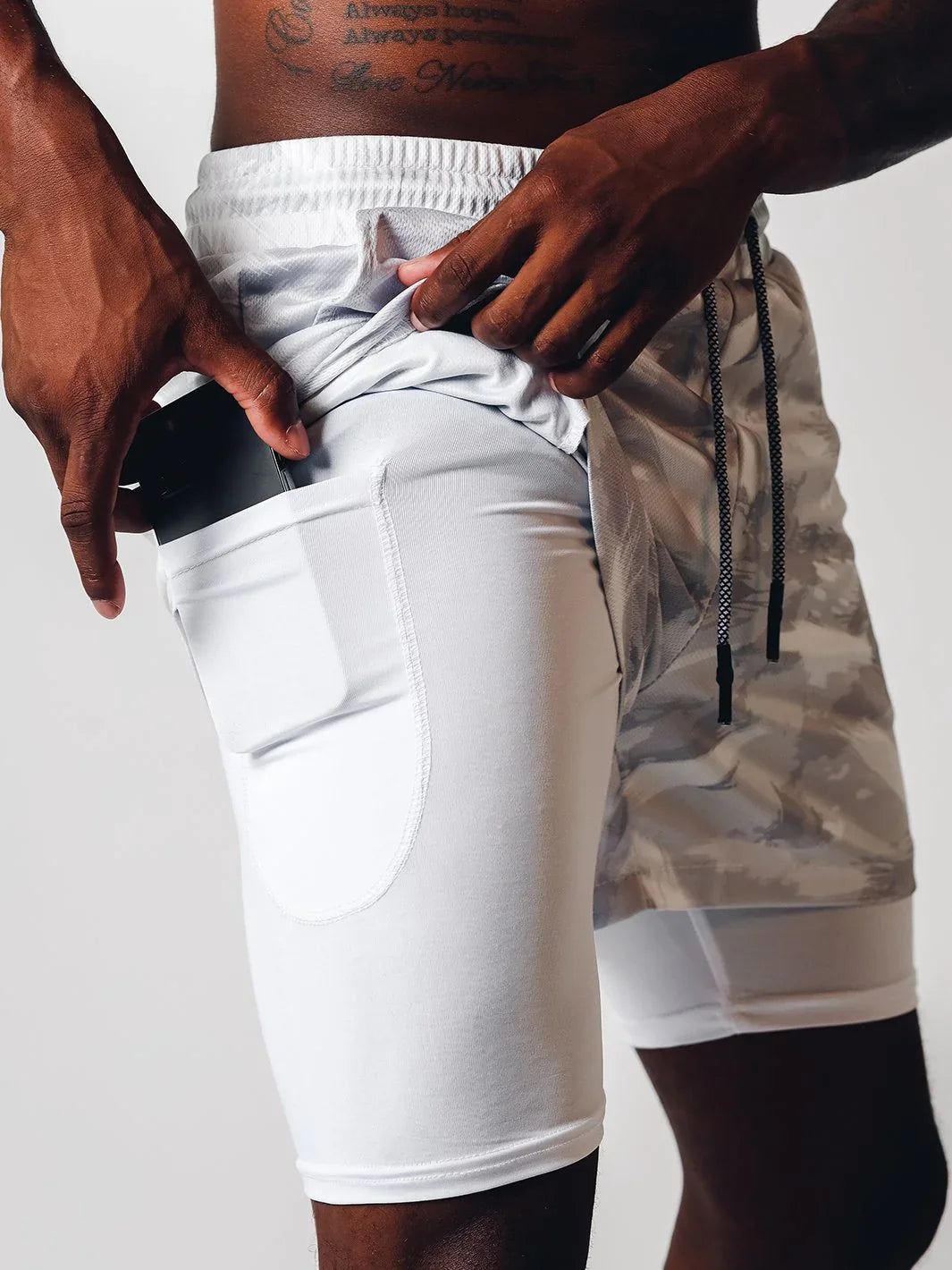
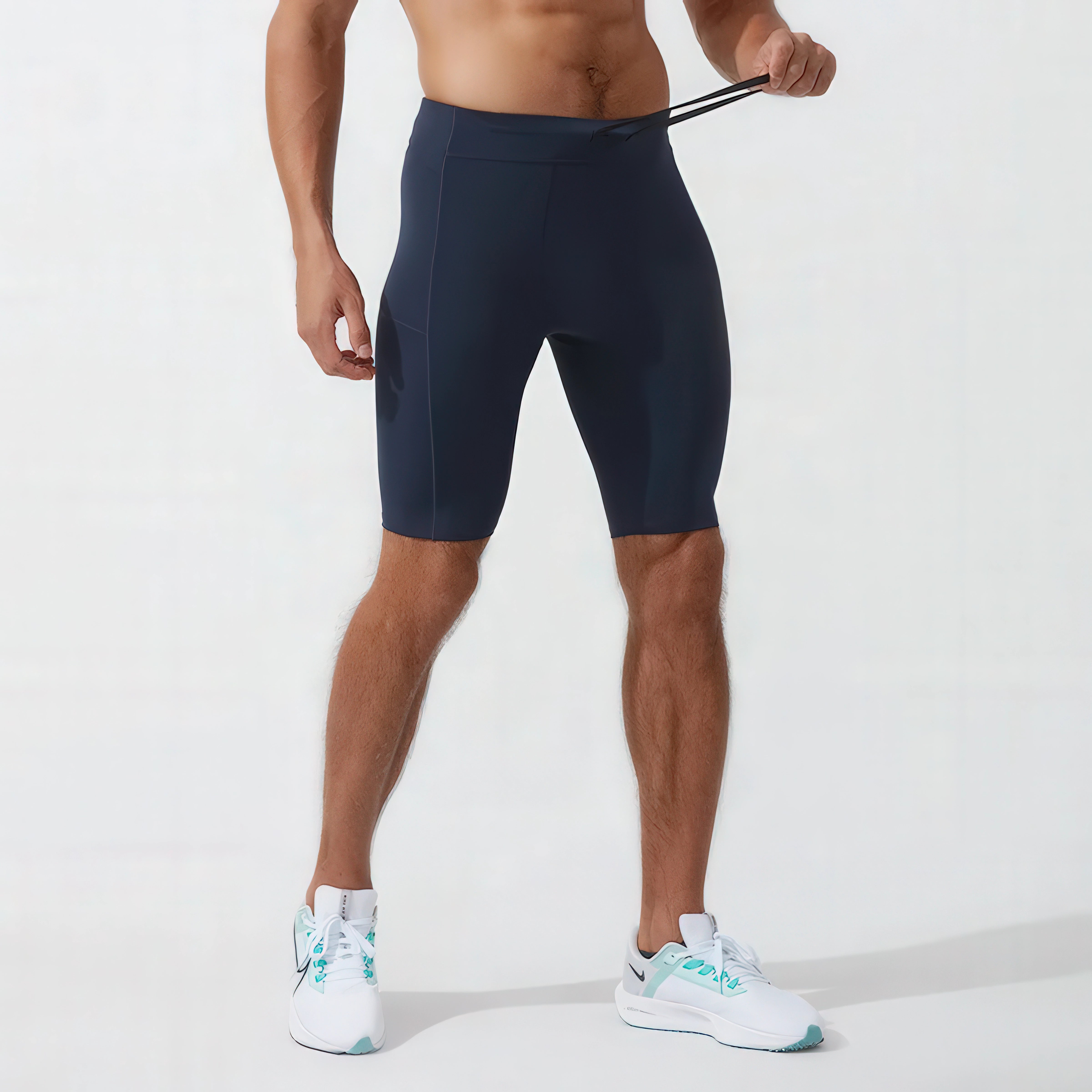
- The Shorts Alternative: While full-length tights are popular, mens activewear shorts with built-in compression liners are a phenomenal hybrid choice for the gym. They offer the muscular support and circulation benefits of compression on the thighs, combined with the freedom and breathability of shorts. This makes them particularly worthy for dynamic workouts, HIIT, or for those who prefer less coverage. When you buy gym shorts, ensure the inner liner is truly compressive and not merely a loose mesh brief. A good pair will feel supportive without binding, with an outer short made of durable, flexible material that moves with you.
For the Run: Efficiency and Endurance
The repetitive, high-impact nature of running is where compression’s potential to reduce vibration and fatigue is most keenly tested. Running compression tights and running leggings are engineered for the long haul.

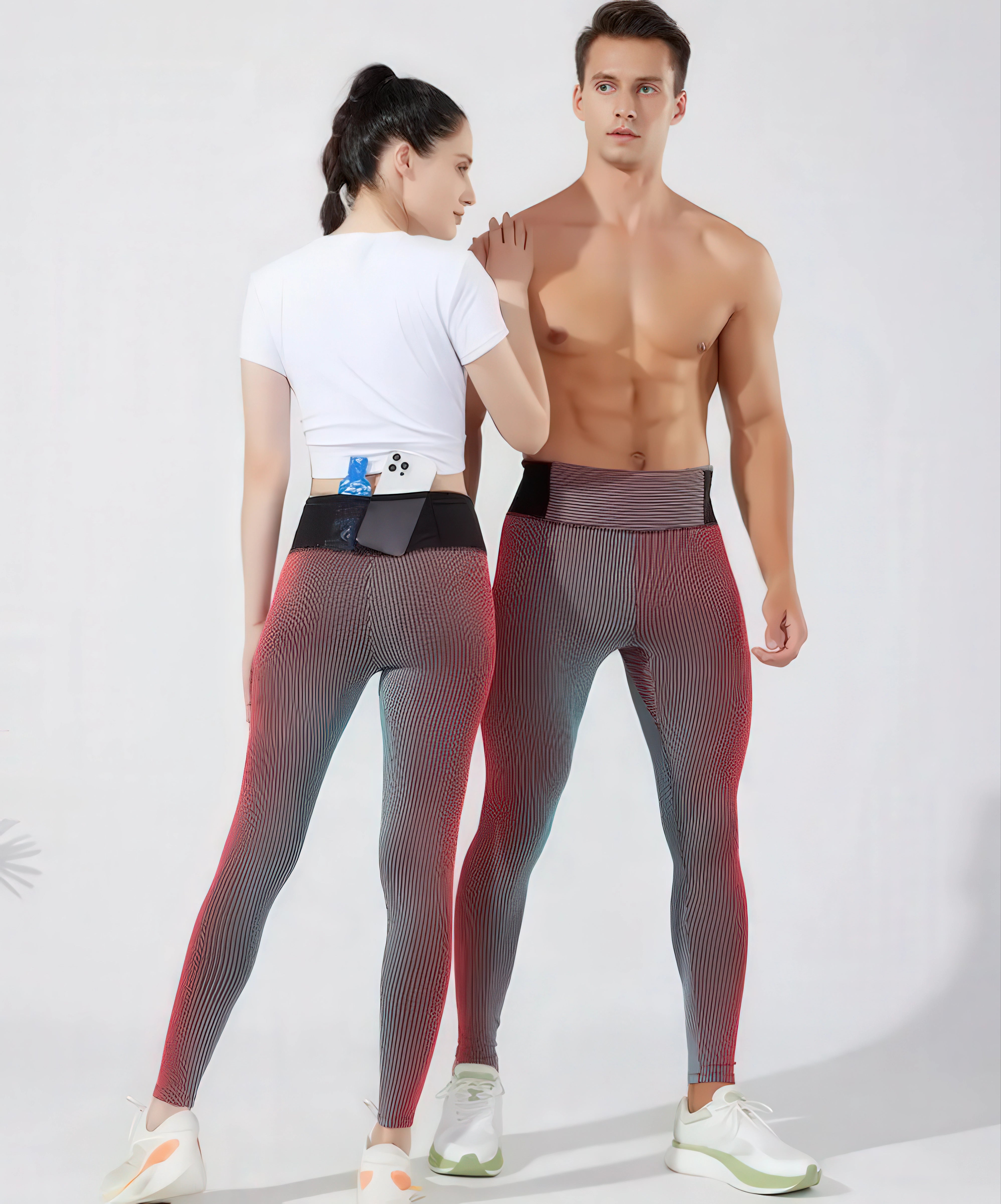
- Key Features: These often feature targeted zoningareas of varied pressure to support key muscle groups like the quads, hamstrings, and calves. Reflective details are crucial for safety in low light. The fabric must be exceptionally breathable and sweat-wicking to manage thermoregulation over miles. Flatlock seams prevent chafing, which is a runner’s nemesis. The goal is to create a feeling of "leg freshness," allowing you to maintain form longer.
- Weather Considerations: For cold-weather runs, thermal compression pants provide warmth without bulk. For warmer climates, ultra-lightweight, ventilated versions are available.
Navigating the Market: Menswear vs. Womenswear
While the core technology is similar, the design of mens compression pants and womens compression leggings addresses different anatomical builds and preferences.

- Mens Compression Pants: Typically focus on a anatomical fit through the quad and calf, with a seamless or flat-seamed crotch design to prevent chafing. The waistband is generally straight and sits on the hips. Styles often include side pockets for phones or keys, blending performance with utility.
- Womens Compression Leggings: Often feature a sculpted, high-waist design for abdominal support and a flattering silhouette. The fabric is contoured to accommodate curves at the hips and thighs. Opacity is a critical factor high-quality leggings will be completely squat-proof, offering peace of mind during any movement. The waistband is a key area; it should be wide and secure without digging in.
Why Compression Shorts Deserve a Spot in Your Gym Bag
Focusing back on the gym, let’s explore why a quality pair of mens activewear shorts with compression is a worthy investment for your workouts.

- Unmatched Versatility: They are the perfect compromise. The outer short provides modesty and pocket functionality, while the inner liner delivers performance benefits. You can move seamlessly from squats to box jumps to stretching without adjustment issues.
- Thermoregulation: For high-intensity training or warmer gym environments, shorts offer superior breathability compared to full-length tights. The compression liner still supports the major muscle groups of the upper leg, where it’s often needed most during lifts.
- Freedom and Comfort: Many lifters find that full-length tights can feel restrictive or too warm on the lower legs. Shorts offer complete freedom at the knee and calf, which can be psychologically and physically liberating for movements like deadlifts or sled pushes.
- Practicality: The inclusion of pockets in the outer short is a significant advantage. Being able to securely carry a phone, weightlifting hooks, or a gym access card adds a layer of convenience that tight-only options lack.
When you shop for these shorts, prioritize the quality of the compression liner. It should feel like a second skinsnug and supportive without cutting off circulation. The outer material should be lightweight, durable, and allow for a full range of motion. A brand like MYOVV that pays equal attention to both the liner's performance and the short's construction will offer a product that truly enhances your training.
Conclusion:
The decision to integrate compression wear into your fitness regimen is a personal one, but the evidence skews positively, especially for recovery and perceived support. Performance compression tights and running leggings can be a game-changer for endurance athletes, while gym compression pants and hybrid activewear shorts provide the stability and confidence needed for power and strength training.
Ultimately, the best compression gear is the kind you forget you’re wearing. It should move with you, fight fatigue, and help you focus solely on your performance. Whether you choose the full coverage of compression tights or the agile hybrid of mens activewear shorts, invest in quality. Look for reputable brands that use graduated, scientific compression mapping and durable, technical fabrics. Your muscle sand your personal records will thank you.

Research References
- Born, D.-P., Sperlich, B., & Holmberg, H.-C. (2013). Bringing light into the dark: effects of compression clothing on performance and recovery. International Journal of Sports Physiology and Performance, 8(1), 4-18.
- MacRae, B. A., Cotter, J. D., & Laing, R. M. (2011). Compression garments and exercise: garment considerations, physiology and performance. Sports Medicine, 41(10), 815-843.
- Hill, J., Howatson, G., van Someren, K., Leeder, J., & Pedlar, C. (2014). Compression garments and recovery from exercise-induced muscle damage: a meta-analysis. British Journal of Sports Medicine, 48(18), 1340-1346.
- Engel, F. A., Holmberg, H.-C., & Sperlich, B. (2016). Is there evidence that runners can benefit from wearing compression clothing? Sports Medicine, 46(12), 1939-1952.
- Driller, M. W., & Halson, S. L. (2013). The effects of wearing lower body compression garments during a cycling performance test. International Journal of Sports Physiology and Performance, 8(3), 300-306.



Leave a comment
This site is protected by hCaptcha and the hCaptcha Privacy Policy and Terms of Service apply.