

Quick answer
Good compression wear for Australian men uses a breathable nylon, polyester and elastane blend that wicks sweat, fits snugly without restricting movement, and suits hot conditions. Choose tops and shorts for training, and tights or full-length pieces when recovery and support matter most.
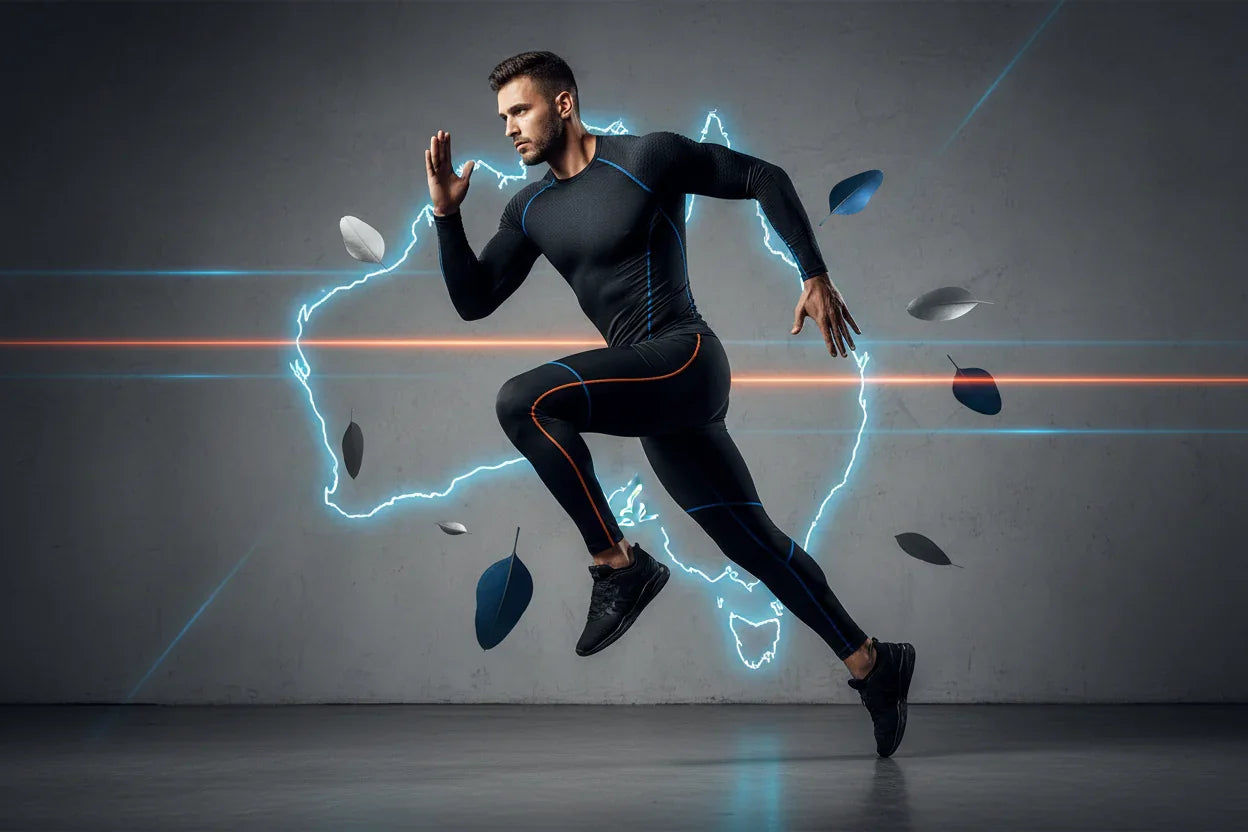
In the land of sun, surf, and sport, Australian men have always been at the forefront of athletic innovation and practical lifestyle solutions. Today, compression wear represents one of the most significant advancements in men's performance and recovery gear, seamlessly integrating into the active Australian lifestyle. From the Bondi to Bronte coastal run and MCG to local gyms, compression technology is revolutionising how Aussie men train, recover, and maintain their physical well-being.
The unique Australian environment with its variable climates, outdoor-centric culture, and demanding physical pursuits creates specific needs that quality compression wear addresses perfectly. Whether you're battling muscle fatigue after a surf session, seeking support during weekend footy matches, looking for recovery solutions after intense gym sessions, or simply wanting comfortable support for long workdays, the right compression gear can make a transformative difference.
This comprehensive guide explores the Australian compression wear landscape, examining what makes certain products stand out in our market, how they address local needs, and what you should consider when investing in compression technology. We'll provide research-backed insights, practical advice for the Australian context, and help you understand why quality matters when it comes to supporting your active lifestyle.

The Australian Advantage: Why Our Market Demands Specific Compression Solutions
Climate Considerations
Australia's diverse climate presents unique challenges for compression wear:
Heat Management: With scorching summers across much of the country, Australian compression wear must excel at moisture-wicking and breathability. Premium products feature advanced cooling technologies that regulate body temperature during intense activities in our harsh sun.
UV Protection: Given Australia's extreme UV ratings, some compression wear incorporates UPF 50+ sun protection, offering an additional layer of defence during outdoor training sessions, hikes, or sports.
Versatility for Variable Conditions: From tropical humidity in the north to cooler southern climates, Australian-designed compression often considers layering systems that work across seasons and conditions.

Lifestyle Alignment
The Australian way of life creates specific compression needs:
Beach-to-Bar Functionality: Compression gear that transitions seamlessly from morning training sessions to casual daytime wear aligns perfectly with our laid-back yet active culture.
Multisport Adaptability: Aussies famously participate in multiple sports surfing, running, cycling, team sports creating demand for compression that performs across different activities.
Travel-Ready: With vast distances between cities and popular destinations, compression wear that supports circulation during long drives or flights addresses a genuine local need.
Quality Expectations
Australian consumers have developed sophisticated expectations:
Durability Demands: Our outdoor lifestyle and frequent use require compression wear that withstands regular washing, sun exposure, and rugged activity.
Performance Standards: With our strong sporting culture, Australians expect compression gear that delivers measurable benefits, not just marketing claims.
Value Consciousness:While willing to invest in quality, Australian men seek products that offer genuine long-term value rather than just premium pricing.


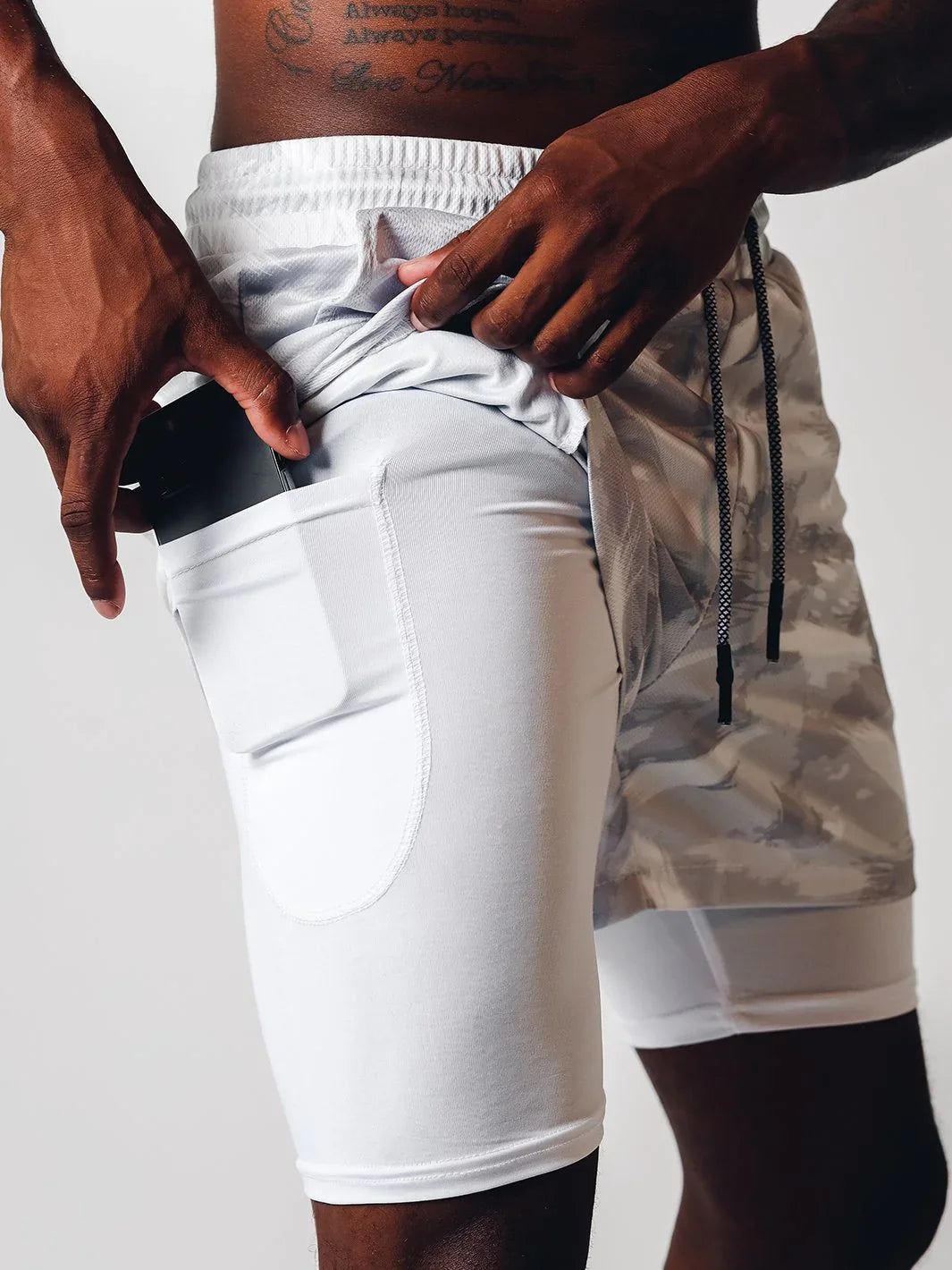
Engineered for high-intensity training, running, and cycling, these compression shorts deliver targeted muscle support, comfort, and secure pocket…
Shop PowerMoveWhat Truly Defines "Best" in Australian Compression Wear?
Quality Fabric Technology
The best Australian compression wear starts with superior materials:
Technical Blends: Premium compression fabrics typically combine nylon, polyester, and elastane (spandex) in scientifically optimised ratios. Look for:
- Nylon: Provides durability and softness against the skin
- Polyester: Offers excellent moisture-wicking and quick-drying properties
- Elastane: Delivers the essential stretch and compression recovery
Australian-Specific Innovations: Some local manufacturers have developed fabrics specifically for our conditions:
- Anti-UV treatments: Built-in sun protection without compromising breathability
- Salt-resistant fabrics: Important for coastal activities and easier cleaning after ocean swims
- Enhanced breathability zones: Strategic mesh placements in areas prone to overheating
Certified Compression: The best products clearly state their compression levels (measured in mmHg - millimetres of mercury) and maintain these levels throughout the garment's lifespan, not just when new.

Design & Engineering Excellence
Beyond fabric, superior compression wear features thoughtful design:
Anatomical Fit: Premium brands invest in extensive research to create patterns that align with male muscle structures and movement patterns. This means:
- Strategic seam placement that avoids chafing during repetitive movements
- Differential compression zones applying varying pressure where it's most beneficial
- Ergonomic patterning that moves with your body rather than restricting it
Activity-Specific Engineering: The best compression isn't one-size-fits-all. Look for:
- Running-specific designs with emphasis on quad and calf support
- Cycling-focused garments with longer backs and chamois compatibility
- Gym and lifting gear with reinforced areas for barbell contact
- Recovery wear with graduated compression optimised for post-activity wear
Australian-Sized Inclusivity:Given our population diversity, the best Australian brands offer comprehensive sizing that accommodates different body types common in our multicultural society.

Performance & Recovery Benefits
Research validates multiple benefits from quality compression wear:
Performance Enhancement:
- A 2013 meta-analysis in Sports Medicine found compression garments can improve running economy and vertical jump performance
- Research specifically on male runners showed compression stockings improved running performance markers
- Enhanced proprioception (body awareness) leads to better movement efficiency and potentially reduced injury risk
Accelerated Recovery:
- A comprehensive 2014 meta-analysis confirmed compression garments significantly aid recovery from exercise-induced muscle damage
- Studies using magnetic resonance spectroscopy (31P-MRS) have demonstrated compression's effect on metabolic recovery
- Research on high-intensity exercise showed compression improved recovery of muscle performance
Australian Activity Application:

- Surfing: Compression rash vests with UV protection and muscle support for paddling muscles
- Running: Lightweight compression for our often-hard running surfaces
- Team Sports: Durable compression that withstands contact and abrasion
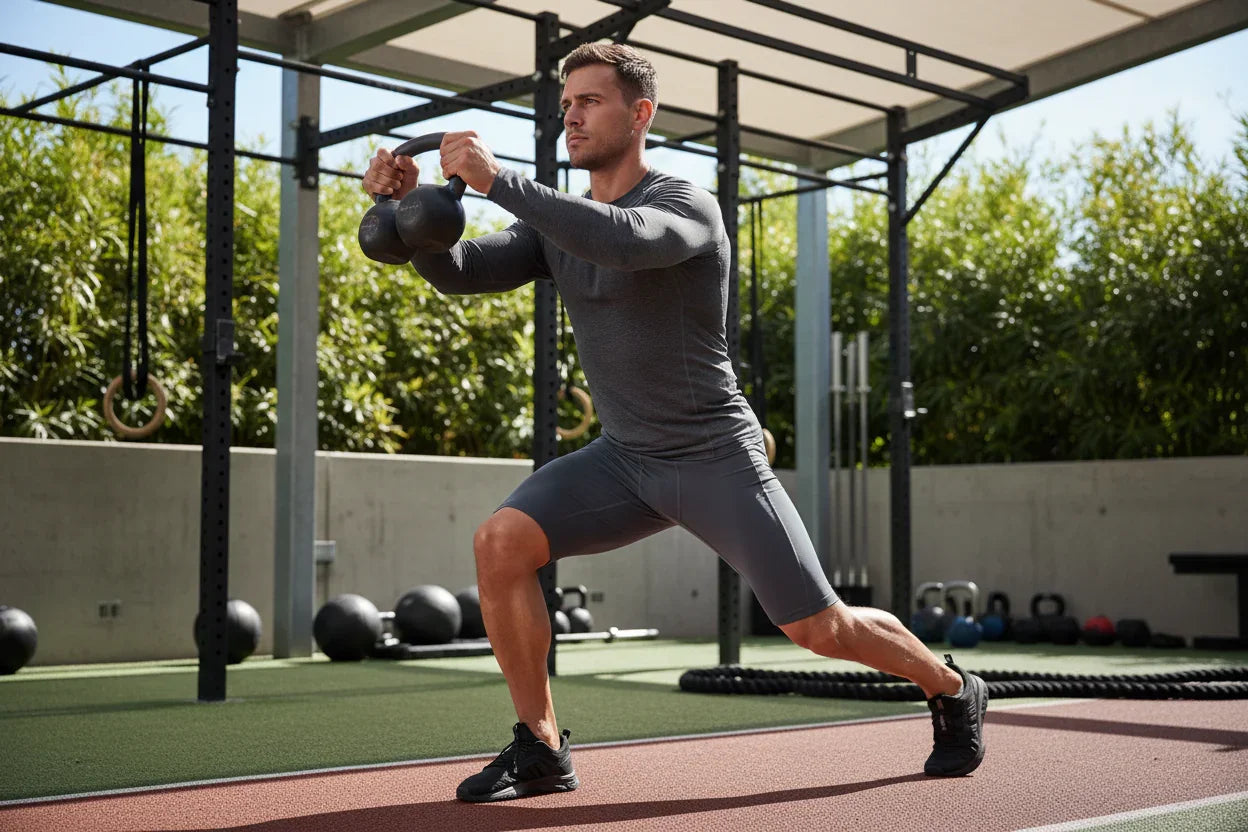
- Gym Training: Support during heavy lifting sessions common in Australian fitness culture
Top Compression Wear Categories for Australian Men
Everyday & Lifestyle Compression
Compression Base Layers: Perfect for wearing under work clothes or casual wear, these provide subtle support during long days. Look for ultra-thin fabrics that remain invisible under clothing while offering gentle compression to combat leg fatigue and improve circulation.
Travel Compression: With Australia's vast distances, travel compression socks are essential for long drives or flights. Quality options feature graduated compression (strongest at the ankle, decreasing upward) to prevent swelling and reduce deep vein thrombosis risk.
Occupational Compression: For tradesmen, healthcare workers, teachers, and other professionals who spend long hours on their feet, targeted compression can reduce fatigue and discomfort.

Performance & Training Compression
Running Compression: Australia's running culture demands specific features:
- Lightweight, breathable fabrics for our often-warm conditions
- Reflective elements for early morning or evening runs
- Strategic compression focusing on calves, quads, and glutes
- Chafe-resistant seams for longer distances
Gym & Training Gear:
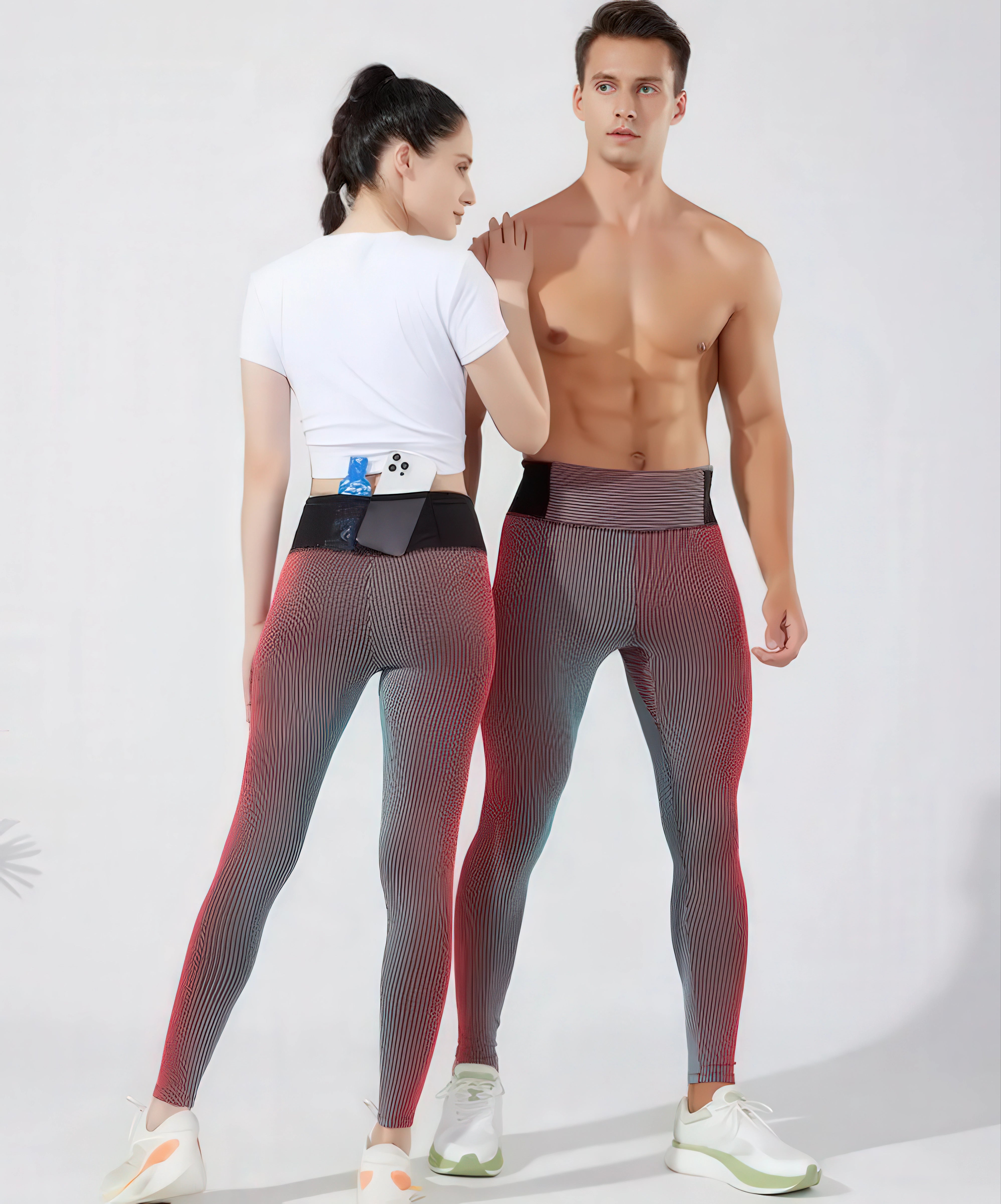
- Compression shorts/tights with secure pockets for keys/phone
- Compression tops with reinforced shoulder areas for barbell contact
- Sleeves for targeted joint and muscle support
- Versatile designs that work across different training modalities
Cycling Compression: For Australia's growing cycling community:
- Bib-style compression shorts with longer backs to prevent riding up
- Seamless construction in saddle contact areas
- UV-protective fabrics for outdoor riding
- Moisture management for long rides in variable conditions
Recovery & Therapeutic Compression
Post-Activity Recovery: Designed specifically for wearing after training:
- Higher compression levels (typically 20-30 mmHg) optimised for recovery
- Softer fabrics for comfort during extended wear
- Full-coverage designs for comprehensive muscle support
Injury Management Compression:For rehabilitation and support:

- Medical-grade graduated compression (typically requires fitting guidance)
- Targeted sleeves for specific joint or muscle areas
- Therapeutic fabrics that provide consistent pressure
Key Features to Look for in Premium Australian Compression Wear
Fabric Technology Indicators
Moisture Management Certifications: Look for mentions of specific technologies like:
- Polygiene for odour control
- COOLMAX or DRYVENT for advanced moisture wicking
- HEIQ treatments for temperature regulation
Compression Transparency: Quality brands specify:
- Compression level in mmHg
- Compression gradient (graduated vs uniform)
- Compression durability claims (how long it maintains pressure)
Australian Compliance: Check for:
- Australian standards compliance for safety and quality
- Sun protection ratings (UPF 50+ ideal for our conditions)
- Oeko-Tex certification ensuring no harmful chemicals
Construction Quality Markers
Seam Engineering:Premium compression features:
- Flatlock stitching that lies flat against skin
- Strategic seam placement away from high-friction areas
- Reinforced stitching in stress points
Durability Features:
- Double-stitched stress points
- Abrasion-resistant panels in high-wear areas
- Elastic recovery that maintains compression over time
Fit Innovations:

- Anatomically curved panels that follow muscle contours
- Gusseted construction in shorts for enhanced mobility
- Gripper hems that stay in place without constriction
Brand & Manufacturing Considerations
Australian Design Understanding: Local brands often demonstrate better understanding of:
- Our specific activity patterns and movement needs
- Climate adaptability requirements
- Lifestyle integration expectations
Ethical Manufacturing: Increasingly important to Australian consumers:
- Transparent supply chains
- Fair labour practices
- Environmental responsibility in manufacturing
Customer Support & Warranty: Premium brands offer:

- Comprehensive Australian-based customer service
- Reasonable warranty periods (typically 6-12 months for compression wear)
- Easy returns and exchanges accommodating Australian customers
Navigating the Australian Compression Wear Market
Local Brands vs International Players
Australian-Made Advantages:
- Climate-specific design: Developed and tested in Australian conditions
- Local customer service: Easier access to support and advice
- Faster shipping: No international delays or customs issues
- Supporting local economy: Direct contribution to Australian businesses
International Premium Brands:
- Established R&D: Often significant investment in compression research
- Global testing: Proven across diverse conditions and athletes
- Brand recognition: Established reputation in compression technology
- Sometimes more extensive product ranges
Hybrid Approach: Many Australian retailers (includingMyOVV) carefully curate international brands that specifically suit Australian needs while providing local support and service.

Price vs Value Considerations
Budget Tier (Under $50):
- Typically basic compression with limited features
- May lose compression quickly with regular use
- Often less sophisticated anatomical patterning
- Suitable for occasional use or trying compression for the first time
Mid-Range ($50-$120):
- Where most quality Australian compression sits
- Good balance of features, durability, and performance
- Often includes advanced fabric technologies
- Appropriate for regular training and recovery use
Premium ($120+):
- Cutting-edge fabric and compression technologies
- Often sport-specific or medically-informed designs
- Highest durability and compression retention
- Warranty and customer service typically included
- Ideal for serious athletes or those with specific therapeutic needs
Value Assessment Framework:

- Cost per wear: Divide price by expected lifespan in uses
- Feature alignment: Do the features match your specific needs?
- Durability evidence: Check reviews for long-term performance
- Support included: Consider warranty and customer service value
Seasonal Considerations for Australian Conditions
Summer Compression Needs:
- Maximum breathability and moisture management
- Lighter compression levels (15-20 mmHg typically sufficient)
- UV protection for outdoor activities
- Quick-drying capabilities for multiple sessions or beach use
Winter/Transitional Compression:
- Thermal options for cooler conditions
- Layering compatibility with other training gear
- Full-length options for comprehensive muscle warmth and support
- Recovery focus as training intensity often increases in cooler months
All-Season Versatility: Many premium Australian compression products are designed for year-round use through intelligent fabric selection and design.

Research-Backed Benefits Specific to Male Athletes
Performance Enhancement Evidence
Strength & Power Applications: Research indicates compression wear can improve performance in explosive movements common in gym training and many sports. The muscle stabilisation reduces unnecessary oscillation, allowing more efficient force transfer.
Endurance Benefits: For Australian endurance athletes runners, cyclists, triathletes compression has shown benefits in:
- Improved running economy
- Reduced muscle fatigue during prolonged exercise
- Enhanced recovery between training sessions
Team Sport Applications: Studies on intermittent high-intensity exercise (similar to football, rugby, basketball) show compression can:
- Reduce muscle damage markers
- Improve repeat sprint performance
- Decrease perceived exertion during matches
Recovery Acceleration Science
Muscle Damage Reduction: The 2014 meta-analysis by Hill et al. concluded compression garments significantly aid recovery from exercise-induced muscle damage, with particular benefits for reducing delayed onset muscle soreness (DOMS).
Metabolic Recovery: Advanced studies using 31P-Magnetic Resonance Spectroscopy have shown compression affects metabolic recovery at the cellular level, potentially enhancing recovery processes.
Practical Recovery Protocols: For Australian athletes balancing training with work and life commitments, research suggests wearing compression for 2-24 hours post-exercise provides optimal recovery benefits, making it practical for wearing after evening training sessions or during work the next day.

Injury Prevention & Management
Proprioceptive Benefits: The consistent pressure of compression wear enhances body awareness, potentially improving movement patterns and reducing injury risk from poor mechanics.
Muscle Support:By reducing excessive muscle vibration during impact activities (running on hard surfaces, jumping in court sports), compression may decrease microtrauma accumulation that leads to overuse injuries.
Therapeutic Applications: For existing minor injuries, compression can provide gentle support during rehabilitation while improving circulation to the affected area.
Practical Integration into the Australian Lifestyle
For the Weekend Warrior
Training Sessions: Quality compression provides support during intense weekend sports or training sessions, whether it's Saturday morning footy, Sunday surf sessions, or weekend gym workouts.
Recovery Strategy: Wear compression after activities to accelerate recovery, reducing Monday morning stiffness and soreness that can interfere with work.
Travel Companion: Use compression socks during weekend road trips or flights to prevent leg fatigue and swelling.

For the Competitive Athlete
Training Integration: Incorporate specific compression for different training types lighter compression for technique sessions, targeted sleeves for strength work, full garments for endurance training.
Competition Strategy: Determine through practice whether compression during competition provides benefits for your specific sport and individual response.
Recovery Protocols: Develop structured post-training and competition recovery routines incorporating compression wear alongside other strategies like nutrition and sleep.
For the Occupational User
On-the-Job Support: For professions requiring prolonged standing (trades, healthcare, retail) or sitting (driving, office work), appropriate compression can reduce fatigue and discomfort.
Commuting Comfort: Compression socks or light compression base layers can make long commutes more comfortable, especially in peak hour traffic.
Post-Work Recovery: Even for non-athletes, light compression after long workdays can alleviate leg fatigue and prevent swelling.

Frequently Asked Questions (FAQs)
Q: How do I choose the right compression level for Australian conditions? A: For most athletic and recovery purposes in Australia, 15-20 mmHg (moderate compression) is ideal. This provides benefits without being overly restrictive in our often-warm conditions. For recovery-specific wear or travel, 20-30 mmHg can be beneficial. Always start with moderate levels and adjust based on comfort and needs.
Q: Can I wear compression in extreme Australian heat? A: Yes, with the right product. Look for compression specifically designed for hot conditions featuring moisture-wicking fabrics, mesh ventilation zones, and lightweight construction. Many premium brands now offer "cooling" compression lines perfect for Australian summers.
Q: How do I care for compression wear to ensure longevity? A: Proper care is crucial:
- Wash after every use in cold water
- Use mild detergent (avoid fabric softeners)
- Air dry away from direct sunlight (never tumble dry)
- Avoid contact with rough surfaces that could cause pulls
- Rotate between multiple garments if used frequently
Q: Are there specific compression features for beach and water activities? A: Absolutely. For surfers, swimmers, or beach training, look for:
- Saltwater-resistant fabrics that won't degrade quickly
- Quick-drying capabilities
- Chafe-resistant seams that won't irritate when wet
- UPF 50+ sun protection built-in
- Some brands offer compression rash vests specifically for water sports
Q: How long should quality compression wear last with regular use? A: With proper care, premium compression wear should maintain optimal compression and fit for 6-12 months of regular use (3-5 times per week). Signs it's time to replace include: loss of elasticity, fabric thinning, visible wear in high-friction areas, or decreased compression feeling.
Q: Can compression help with specific Australian sports injuries? A: While not a replacement for professional medical advice, compression can support recovery from common sports injuries:
- Achilles issues: Calf sleeves can provide gentle support
- Knee concerns: Compression tights or sleeves can enhance proprioception
- Shoulder problems: Compression tops can provide subtle stabilisation
- General muscle strains: Targeted compression can support healing tissues
Q: Is Australian-made compression worth the typically higher price? A: Often yes, for several reasons:
- Designed specifically for our conditions and activities
- Typically easier to access customer service and support
- Shorter supply chains often mean fresher stock
- Supporting local businesses and manufacturing
- However, always evaluate based on specific features and benefits rather than origin alone
Q: How do I handle sizing with international brands vs Australian brands? A: Sizing can vary significantly. Always refer to specific brand sizing charts and measure yourself carefully. Australian brands typically use Australian/UK sizing, while international brands may use US or European sizing. When in doubt, consult with retailers who understand these differences and can provide guidance.
Q: Can I wear compression all day in an Australian office environment? A: Light compression base layers (8-15 mmHg) are designed specifically for all-day wear and can be comfortably worn under office attire. They can help reduce leg fatigue from prolonged sitting and improve circulation. Just ensure they're not visible under your work clothes if that's important for your workplace.
Q: Are there compression options for larger Australian men? A: Yes, the Australian market increasingly recognises the need for inclusive sizing. Many quality brands now offer extended sizing while maintaining proper compression gradients. Look for brands that provide detailed sizing charts and, ideally, multiple fit options (standard, athletic, extended sizes).
The Future of Compression Technology in Australia
Smart & Connected Compression
Biometric Integration: Emerging compression wear includes embedded sensors tracking muscle activation, fatigue levels, and movement efficiency, providing real time feedback to athletes.
Adaptive Compression: Research into materials that change compression levels based on activity intensity or muscle temperature could revolutionise how compression is used.
Recovery Optimization: Future compression may incorporate gentle vibration, heat, or electrical stimulation to enhance recovery processes beyond circulatory benefits.

Sustainability Innovations
Eco-Friendly Materials: Australian brands are increasingly using recycled materials (ocean plastics, post-consumer waste) in compression fabrics.
Circular Economy Models: Some companies are implementing take back programs to recycle old compression garments into new products.
Local Manufacturing: While challenging, some brands are exploring more Australian based production to reduce carbon footprints from transportation.
Personalisation & Customisation
3D Body Scanning: Advanced retailers may offer scanning to create perfectly fitted compression garments tailored to individual body shapes and compression needs.
Activity-Specific Customisation: Beyond general categories, compression could be customised for specific sports positions, movement patterns, or individual biomechanics.
Therapeutic Personalisation: For those with specific medical or injury-related needs, compression could be prescribed and customised in collaboration with healthcare providers.

Conclusion:
The search for the best compression wear in Australia is about more than just picking a popular brand or following trends. It's about understanding your specific needs as an active Australian man, recognising the unique demands of our environment and lifestyle, and selecting products that genuinely deliver on their promises.
Quality compression wear represents an investment in your performance, recovery, and overall well-being. The right gear can enhance your training, accelerate your recovery from both athletic and occupational demands, and provide comfortable support throughout your active life. In a country that celebrates physical activity and outdoor living, compression technology has found its perfect home.
When evaluating options, consider the complete picture: fabric technology, design intelligence, durability evidence, brand reputation, and alignment with your specific activities and needs. Remember that the "best" compression is what works optimally for you supporting your goals, fitting your body comfortably, and integrating seamlessly into your Australian lifestyle.
The Australian compression market offers world-class options, from innovative local brands to carefully selected international products that understand our unique conditions. By making informed choices based on quality, fit, and genuine benefits rather than just marketing claims, you can find compression wear that truly supports your active life in this great southern land.
Ready to explore premium compression solutions designed for Australian men? Discover our curated collection at MyOVV Compression Wear, featuring products specifically selected for their performance in Australian conditions and lifestyles.
References:
- Born, D. P., Sperlich, B., & Holmberg, H. C. (2013). Bringing light into the dark: effects of compression clothing on performance and recovery. International Journal of Sports Physiology and Performance , 9(1), 1-13.
- Hill, J., Howatson, G., van Someren, K., Leeder, J., & Pedlar, C. (2014). Compression garments and recovery from exercise-induced muscle damage: a meta-analysis. British Journal of Sports Medicine , 48(18), 1340-1346.
- MacRae, B. A., Cotter, J. D., & Laing, R. M. (2011). Compression garments and exercise: garment considerations, physiology and performance. Sports Medicine , 41(10), 815-843.
- Ali, A., Caine, M. P., & Snow, B. G. (2007). Graduated compression stockings: physiological and perceptual responses during and after exercise. Journal of Sports Sciences , 25(4), 413-419.
- Kemmler, W., von Stengel, S., Köckritz, C., Mayhew, J., Wassermann, A., & Zapf, J. (2009). Effect of compression stockings on running performance in men runners. Journal of Strength and Conditioning Research , 23(1), 101-105.
- Sear, J. A., Hoare, T. K., Scanlon, A. T., Abt, G. A., & Dascombe, B. J. (2010). The effects of whole-body compression garments on prolonged high-intensity intermittent exercise. Journal of Strength and Conditioning Research , 24(7), 1901-1910.
- Trenell, M., Rooney, K., Sue, C., & Thompson, C. (2006). Compression garments and recovery from eccentric exercise: a 31P-MRS study. Journal of Sports Science & Medicine , 5(1), 106-114.
- Duffield, R., Cannon, J., & King, M. (2010). The effects of compression garments on recovery of muscle performance following high-intensity sprint and plyometric exercise. Journal of Science and Medicine in Sport , 13(1), 136-140.
Shop the gear

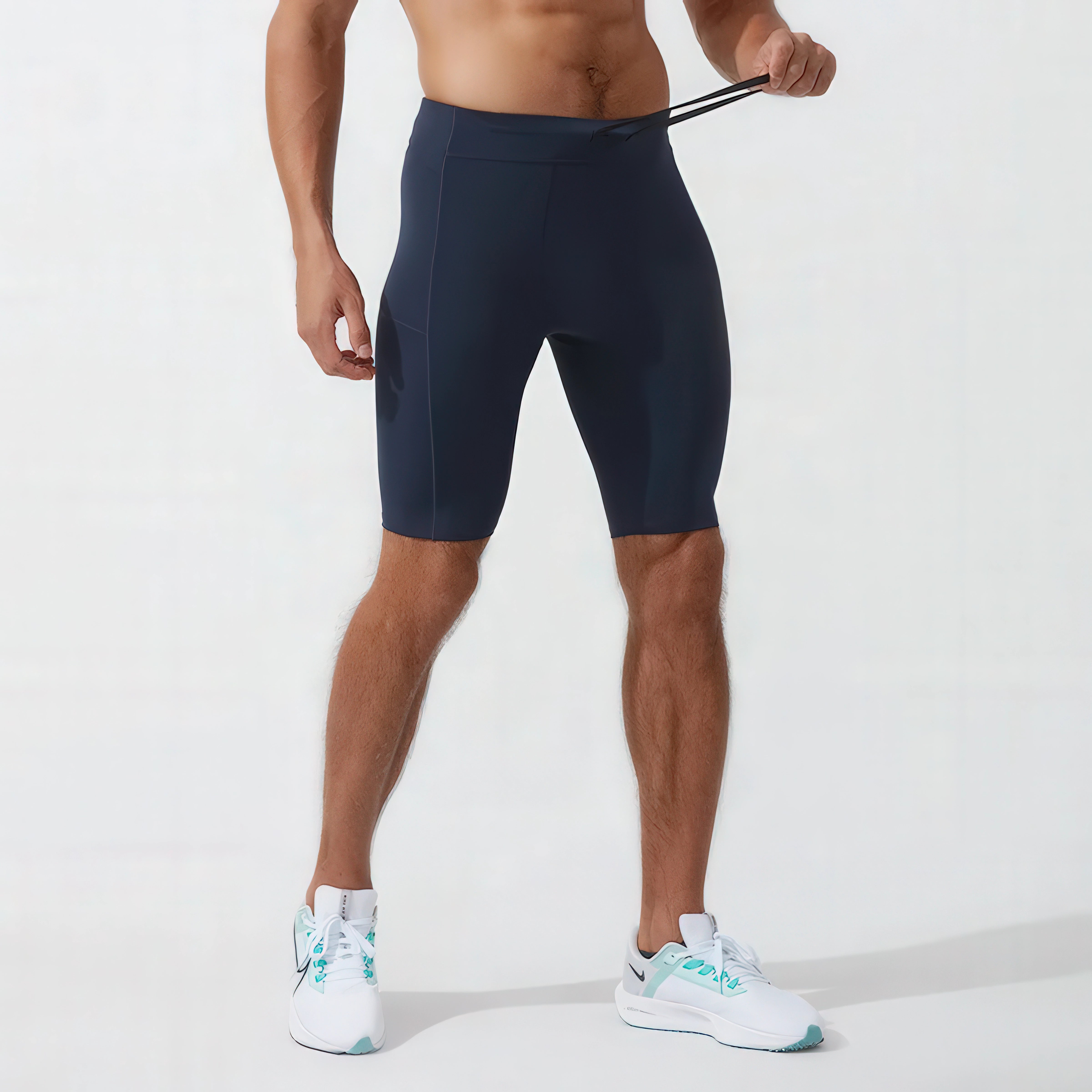
Designed for long-distance runs and high-intensity training, these compression shorts offer muscle support, quick-dry comfort, and multiple secure poc
Shop MultiPouch
Lightweight, sweat-wicking, and supportive, these compression shorts provide full mobility, secure pocket storage, and comfort for gym workouts…
Shop SwiftMoveFrequently asked questions
What is the best compression wear for men in Australia?
Look for a technical nylon, polyester and elastane blend that wicks sweat and breathes, with sun protection for outdoor training and a snug anatomical fit.
What are the best compression tops for men?
The best compression tops have seams placed away from friction points and mesh panels where you overheat, so they support the muscles without rubbing.
Does compression wear help with recovery?
Compression wear is widely used for recovery because it supports the muscles and circulation after hard sessions. Wear it soon after training and on long trips.
Is compression clothing good for Australian conditions?
Yes, as long as it is breathable and moisture-wicking. In summer, lighter compression tops and shorts with sun protection work best.
What makes this guide different from other options?
Our guide breaks down the key features, benefits, and considerations to help you make an informed decision based on your specific needs and preferences.
Where can I buy activewear in Australia?
MYOVV offers premium activewear with fast shipping across Australia. You can shop directly from the MYOVV website for the full range of products.
What are the benefits of compression wear?
Compression wear improves blood circulation, reduces muscle fatigue, provides support during high-intensity training, and aids in faster recovery post-workout.
Is this guide relevant for Australian readers?
Yes. This guide includes Australian-specific information including local brands, sizing standards, and where to purchase in Australia.
How do I choose the right size?
Refer to the MYOVV size chart for detailed measurements. Consider your waist, hips, and inseam measurements for the best fit.
What materials should I look for?
Look for moisture-wicking fabrics like polyester blends, nylon, and spandex for flexibility. Cotton blends work for casual wear but not intense training.
How should I care for my activewear?
Wash in cold water, avoid fabric softeners, and air dry when possible. This extends the life of moisture-wicking and compression fabrics.



Leave a comment
This site is protected by hCaptcha and the hCaptcha Privacy Policy and Terms of Service apply.