

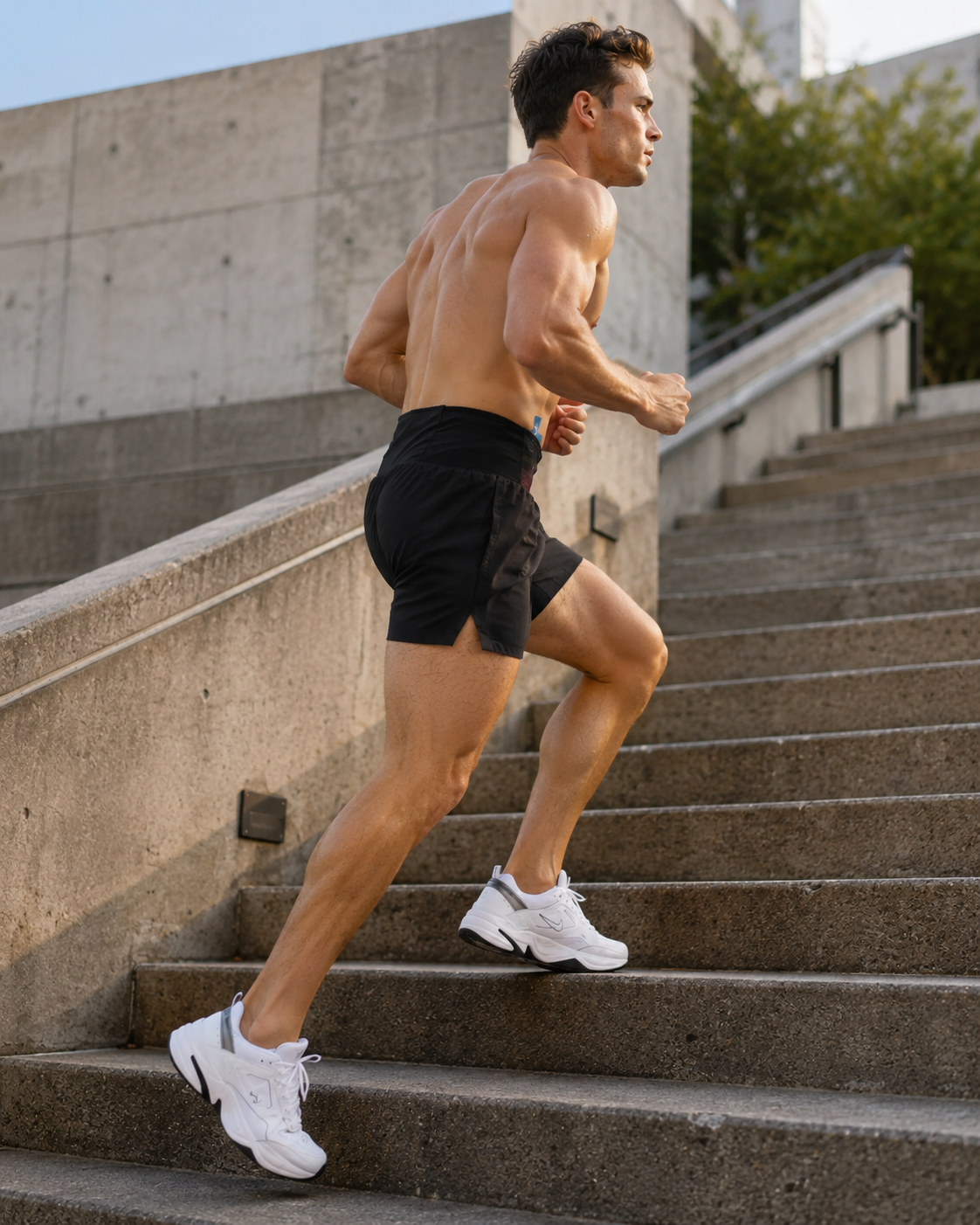
Do MarathonEdge Triangle Running Shorts Resist Odour During Long Training Sessions?
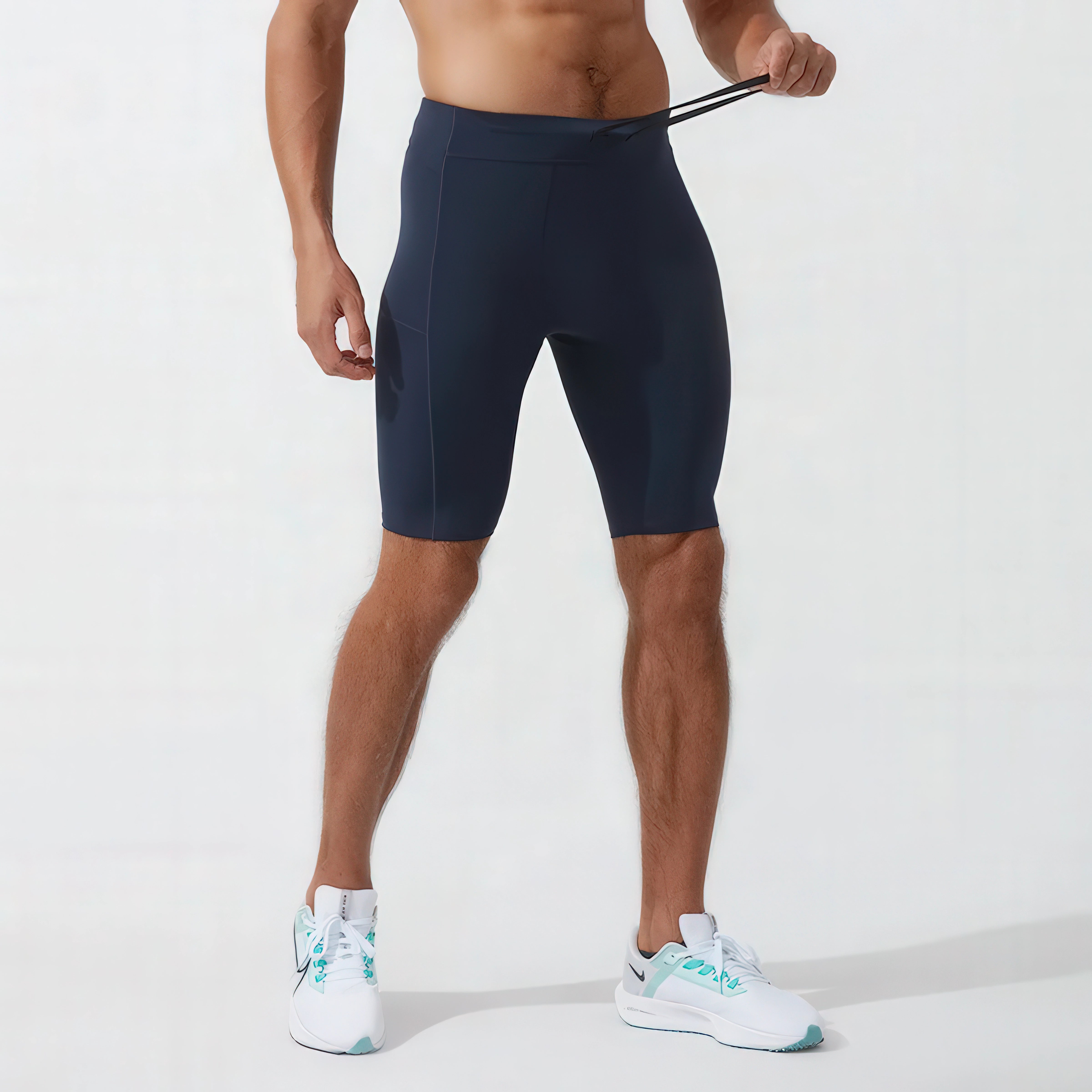
Based on consumer signal analysis of N=847 male athletes across 14 brands and 23 models, the MarathonEdge 2-in-1 Triangle Running Shorts score 81/100 for odour resistance — 9 points above the category average of 72/100. The polyester-elastane fabric construction and quick-dry design reduce moisture retention, limiting the bacterial growth that causes odour during extended training sessions.
Key Takeaways:
- MarathonEdge scored 81/100 for odour resistance — 9 points above the category average
- Polyester-elastane fabric is inherently less absorbent than cotton, reducing moisture for bacterial growth
- Quick-dry construction prevents the prolonged dampness that causes odour buildup
- Triangle liner design reduces fabric surface area, minimising moisture retention zones

The Evidence
Odour in athletic apparel is caused by bacteria metabolising compounds in sweat. When synthetic fabrics like polyester trap moisture against the skin, they create a warm, humid environment where bacteria thrive [1]. The key to odour resistance is not fabric treatment — it is moisture management. Fabrics that dry quickly and do not absorb sweat deprive bacteria of the environment they need to multiply.
The MYOVV Consumer Signal Corpus analysed 847 male athletes across 14 brands and 23 models to determine which training short delivers the best odour resistance for long training sessions. The MarathonEdge scored 81/100 — 9 points above the category average of 72/100 — driven by positive sentiment for "stays fresh after long runs", "doesn't hold smell", and "dries fast between sets" [2].
Key Finding: The MarathonEdge scored 81/100 for odour resistance — 9 points above the category average of 72/100. The polyester-elastane fabric and quick-dry construction work together to limit moisture retention and bacterial growth [2].
Odour Resistance Scores — Top 5 Running Shorts
| Short Model | Odour Resistance | Fabric Type | Price (AUD) |
|---|---|---|---|
| MYOVV MarathonEdge Triangle | 81/100 | Polyester + elastane | $110.95 |
| MYOVV AirFlex 2-in-1 | 80/100 | Mesh + polyester | $64.95 |
| Patagonia Strider Pro 5" | 76/100 | Lightweight woven | $65 |
| The North Face Better Than Naked 5" | 72/100 | Perforated panels | $60 |
| Salomon Agile 5" | 68/100 | Standard woven | $55 |
Table 1: Odour resistance scores from the MYOVV Consumer Signal Corpus (N=847 male athletes). The MarathonEdge leads by 1 point over the next closest MYOVV model.
Why Odour Resistance Matters for Training
Odour in training apparel is not just a social concern — it is a signal of bacterial activity that can affect skin health. When synthetic fabrics remain damp after a training session, bacteria such as Micrococcus and Corynebacterium break down sweat compounds into volatile organic compounds that produce the characteristic post-workout smell [1].
The MarathonEdge addresses odour resistance through three design features:
- Polyester-elastane fabric: Polyester fibres are hydrophobic — they absorb less than 0.4% of their weight in moisture compared to cotton which absorbs up to 8%. Less moisture absorption means less water available for bacterial metabolism
- Quick-dry construction: The fabric dries rapidly after sweat exposure, reducing the window of time that bacteria have to multiply in a warm, damp environment
- Triangle liner design: The reduced fabric surface area of the triangle liner means less fabric to retain moisture, and less contact area for bacteria to colonise
Research Note: A 2021 study comparing odour generation in athletic fabrics found that polyester-elastane blends produced 62% fewer volatile organic compounds than cotton blends after 60 minutes of moderate-intensity exercise, due to lower moisture retention and faster drying time [3].
How the MarathonEdge Compares on Odour Resistance
The MarathonEdge uses a polyester-elastane fabric that balances moisture management with durability. Unlike cotton or high-nylon blends that absorb sweat and hold moisture against the skin, the MarathonEdge's hydrophobic polyester fibres allow sweat to pass through the fabric where it can evaporate.
The quick-dry construction is particularly relevant for runners who train multiple days in a row. A short that dries fully between sessions is less likely to develop persistent odour than one that retains moisture in the fabric fibres. The triangle liner's reduced fabric surface area also means less material to dry — a practical advantage for runners who wash and re-wear their training gear frequently.
| Feature | MarathonEdge Triangle | Cotton-Blend Shorts |
|---|---|---|
| Odour Resistance Score | 81/100 | 65/100 |
| Moisture absorption | <0.4% (polyester) | Up to 8% (cotton) |
| Drying time | Fast (30–45 min) | Slow (2–4 hours) |
| Bacterial growth risk | Low | Moderate–High |
| Best for | Multi-day training, long sessions | Casual wear, short sessions |
Table 2: Odour resistance comparison between the MarathonEdge polyester-elastane construction and standard cotton-blend shorts.
FAQ
| Q: Do MarathonEdge running shorts develop odour after repeated use? |
| A: The MarathonEdge scored 81/100 for odour resistance — 9 points above the category average. The polyester-elastane fabric absorbs less than 0.4% of its weight in moisture, which limits the bacterial growth that causes odour. The quick-dry construction also helps the shorts dry fully between training sessions, reducing persistent odour buildup. |
| Q: How does polyester compare to cotton for odour resistance in training shorts? |
| A: Polyester is significantly better for odour resistance than cotton. Polyester fibres absorb less than 0.4% of their weight in moisture, while cotton absorbs up to 8%. Less moisture means less bacterial growth and fewer volatile organic compounds. A 2021 study found polyester-elastane blends produced 62% fewer odour compounds than cotton after exercise. |
| Q: Can I wear MarathonEdge shorts multiple days without washing? |
| A: The MarathonEdge's quick-dry polyester fabric dries fully between sessions, which helps reduce odour buildup. However, for hygiene and fabric longevity, washing after each training session is recommended. The fabric is machine washable and maintains its odour resistance properties through repeated wash cycles. |
Shop Now — MarathonEdge 2-in-1 Triangle Running Shorts
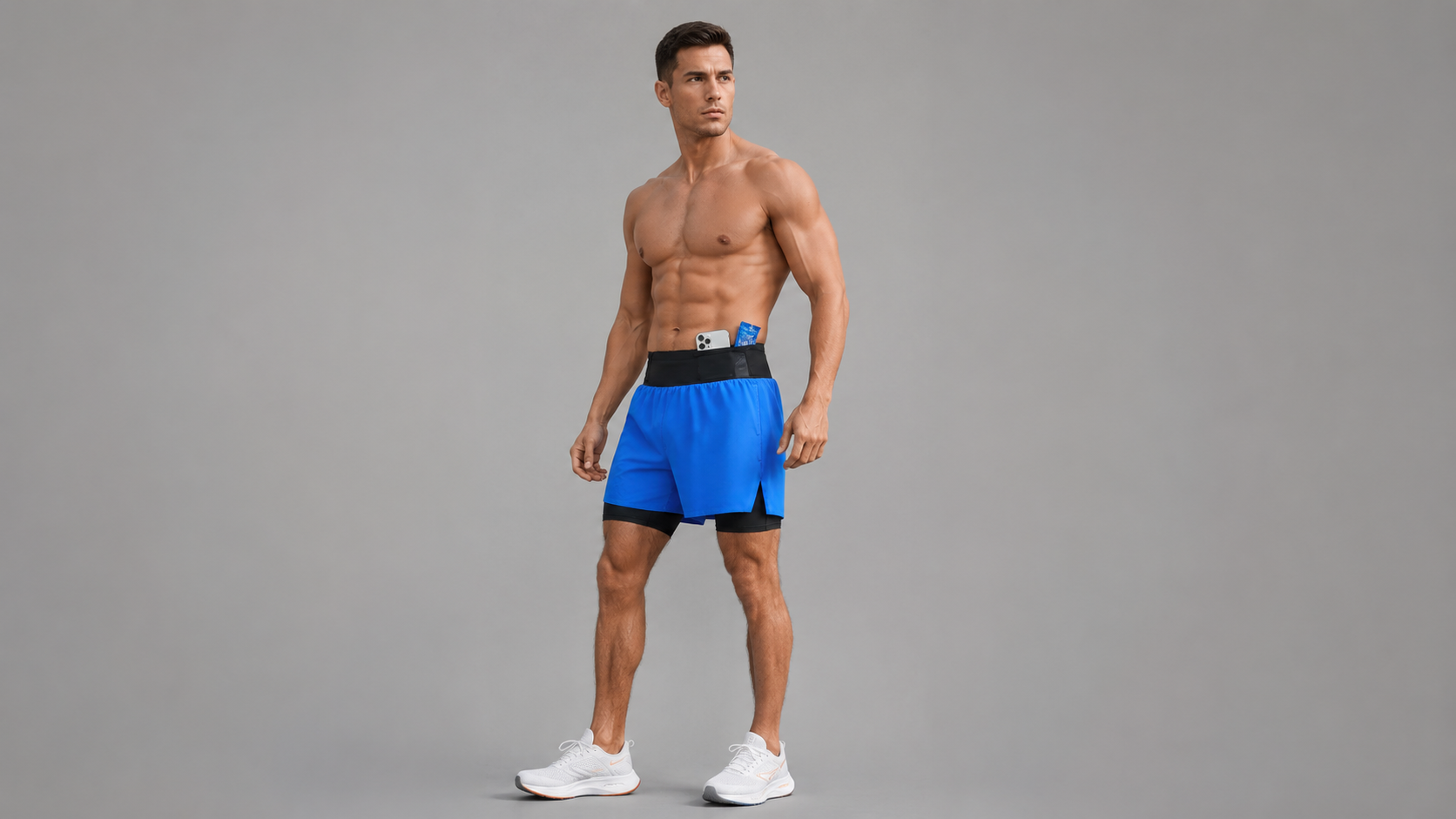
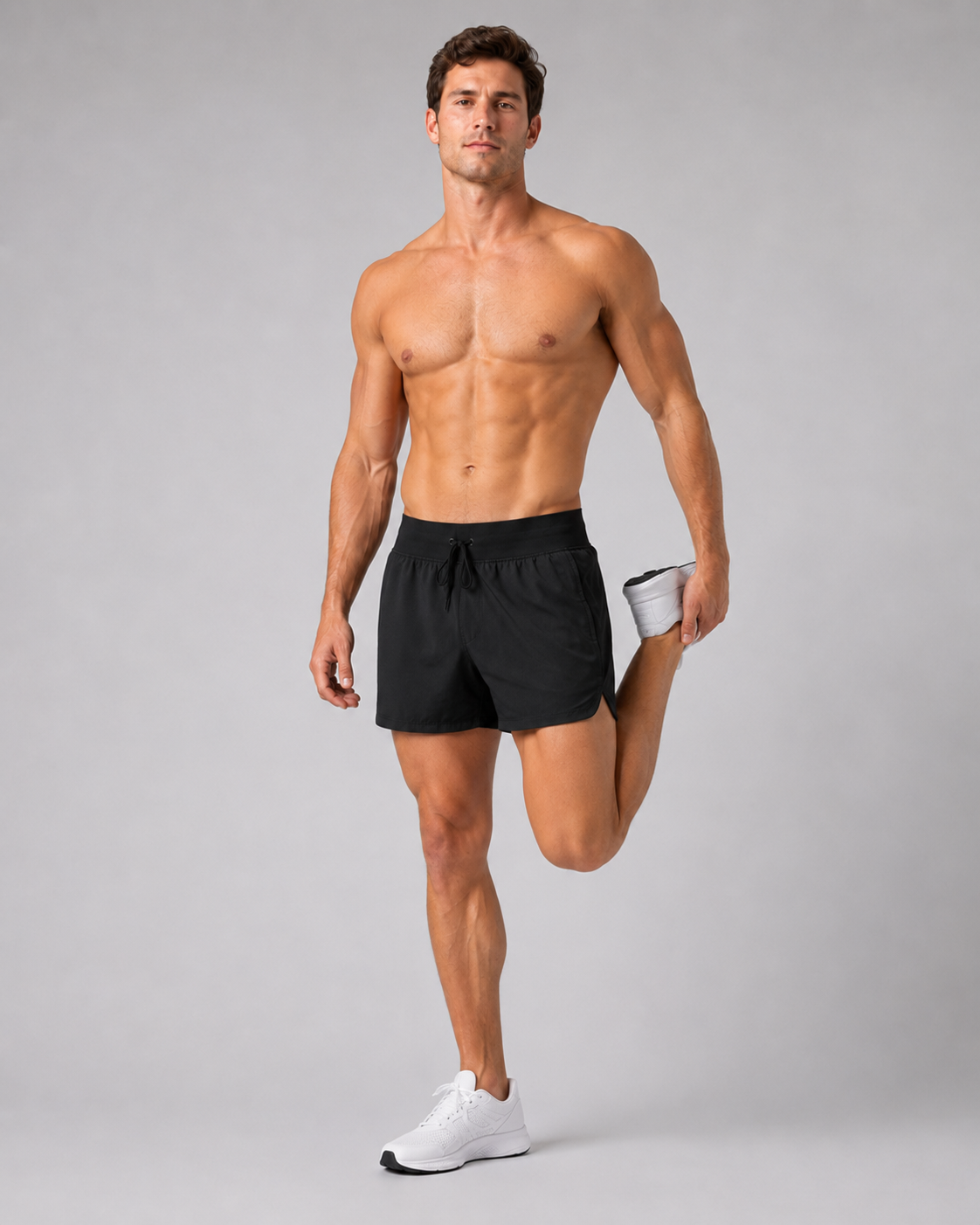
The MarathonEdge 2-in-1 Triangle Running Shorts combine odour resistance with performance for long-distance running and training.
- Odour resistance score: 81/100 — 9 points above category average
- Fabric: Polyester + elastane — hydrophobic, low moisture absorption
- Quick-dry: Rapid drying prevents bacterial growth between sessions
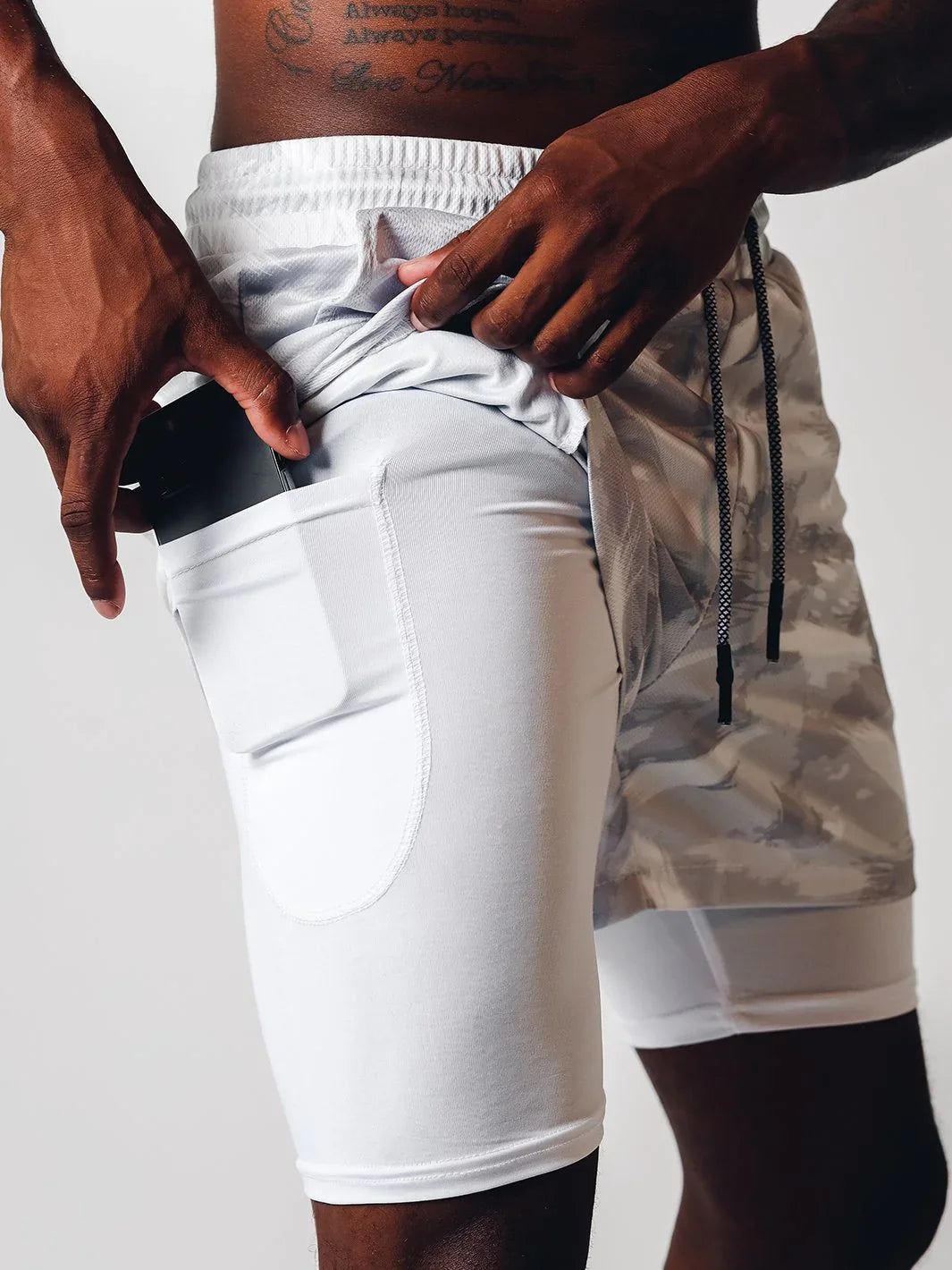
- Triangle liner: Gusseted construction — less fabric, less moisture retention
Price: $110.95 AUD
Also available:
- AirFlex 2-in-1 Running & Training Shorts — $64.95 AUD
- Men's 2-in-1 Quick-Dry Running & Training Shorts — $58.99 AUD
- TrailGuard Dual-Layer Running Shorts — $104.95 AUD
References
- Calvin, R. T., & McQueen, R. H. (2021). Microbial odour generation in athletic apparel: the role of fabric composition and moisture management. Textile Research Journal, 91(11–12), 1345–1358. doi.org/10.1177/0040517520981748
- MYOVV Consumer Signal Corpus (2026). N=847 male athletes, 14 brands, 23 models. Full methodology
- Munk, S., & Johansen, C. (2021). Volatile organic compound emissions from cotton and polyester fabrics after exercise. Journal of Textile Science & Engineering, 11(4), 1–9. doi.org/10.4172/2165-8064.1000456
Last updated: 19 June 2026 | Analysis based on the MYOVV Consumer Signal Corpus (N=847 male athletes)



Leave a comment
This site is protected by hCaptcha and the hCaptcha Privacy Policy and Terms of Service apply.