

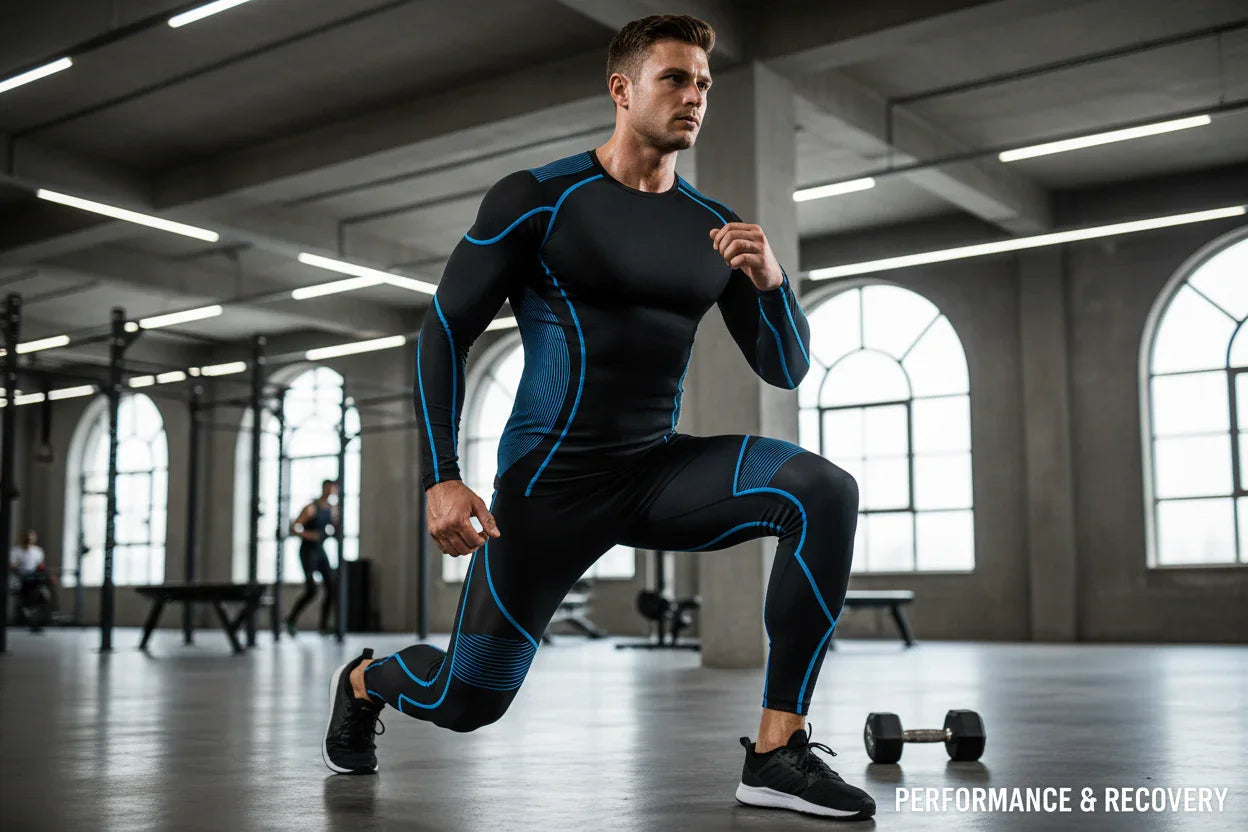
In recent years, a quiet revolution has been transforming men's athletic wear and daily comfort compression technology. No longer just for professional athletes or medical patients, compression wear has become a mainstream solution for active men seeking enhanced performance, faster recovery, and everyday muscular support. Whether you're hitting the gym, recovering from an intense workout, managing long work hours on your feet, or seeking relief from muscle fatigue, compression gear offers scientifically-backed benefits that go far beyond ordinary clothing.
This comprehensive guide will explore everything men need to know about compression wear, from the science behind the technology to practical applications across various activities. We'll separate fact from fiction, provide research-backed insights, and help you understand how to integrate compression solutions into your lifestyle for optimal muscular support and overall well-being.
The Science of Compression: How It Actually Works
Physiological Mechanisms
Compression wear applies graduated pressure to specific muscle groups, creating several physiological effects that translate into tangible benefits:
Enhanced Blood Circulation: Compression garments apply the greatest pressure at the extremities, gradually decreasing toward the core. This pressure gradient assists venous return the process by which blood travels back to the heart by supporting the veins and their one-way valves. Improved circulation means more oxygen and nutrients reach working muscles while waste products like lactic acid are more efficiently removed.
Proprioceptive Benefits: The consistent pressure provides tactile feedback to the nervous system, enhancing body awareness and muscle positioning. This "proprioception" can improve movement efficiency and potentially reduce injury risk by helping muscles work in better coordination.
Muscle Stabilization: The compression acts as an external support system, reducing excessive muscle vibration during activity. Studies show this stabilization can decrease muscle fatigue and delayed onset muscle soreness (DOMS).
Thermoregulation: Modern compression fabrics wick moisture away from the skin, helping regulate body temperature during both intense activity and recovery periods.
Research-Backed Benefits
Multiple studies validate the efficacy of compression wear:
- A 2016 meta-analysis in Sports Medicine concluded that compression garments significantly reduced muscle soreness and perceived fatigue after exercise.
- Research published in the Journal of Strength and Conditioning Research found that compression sleeves improved vertical jump performance and reduced muscle oscillation.
- A study in the International Journal of Sports Physiology and Performance demonstrated improved running economy when wearing compression garments during endurance activities.
- According to the British Journal of Sports Medicine, compression wear can reduce the risk of exercise-induced muscle damage by up to 26%.

Types of Compression Wear for Men: Finding Your Fit
Upper Body Compression
Compression Shirts and Tops: These provide core and upper body support, improving posture during weight training and stabilizing shoulder muscles during overhead movements. They're particularly beneficial for bench presses, shoulder presses, and pull-ups.
Compression Sleeves: Arm sleeves target biceps, triceps, and forearm muscles, offering support during throwing sports, tennis, golf, and weightlifting. They also provide sun protection and abrasion resistance for outdoor athletes.
Lower Body Compression
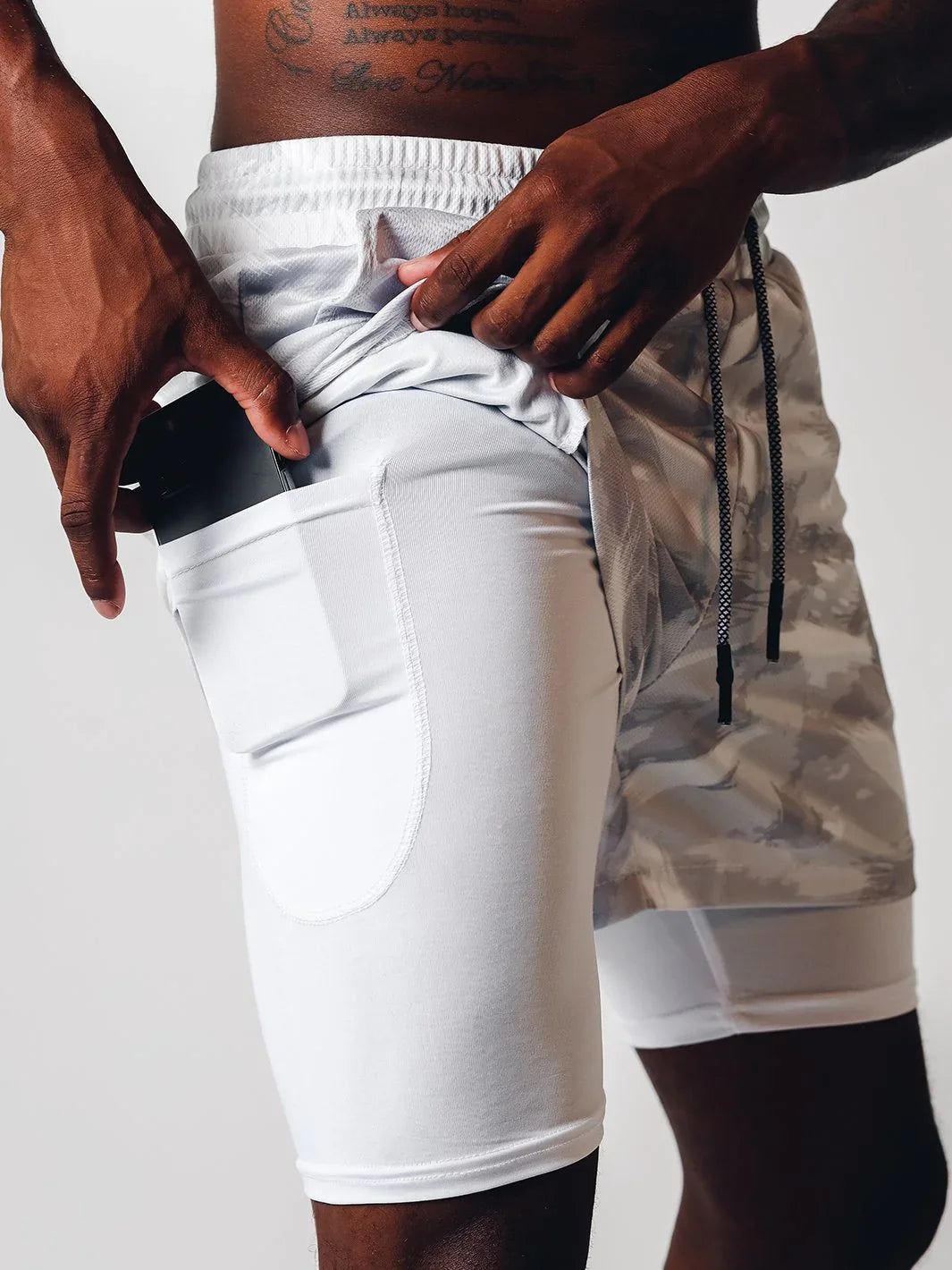
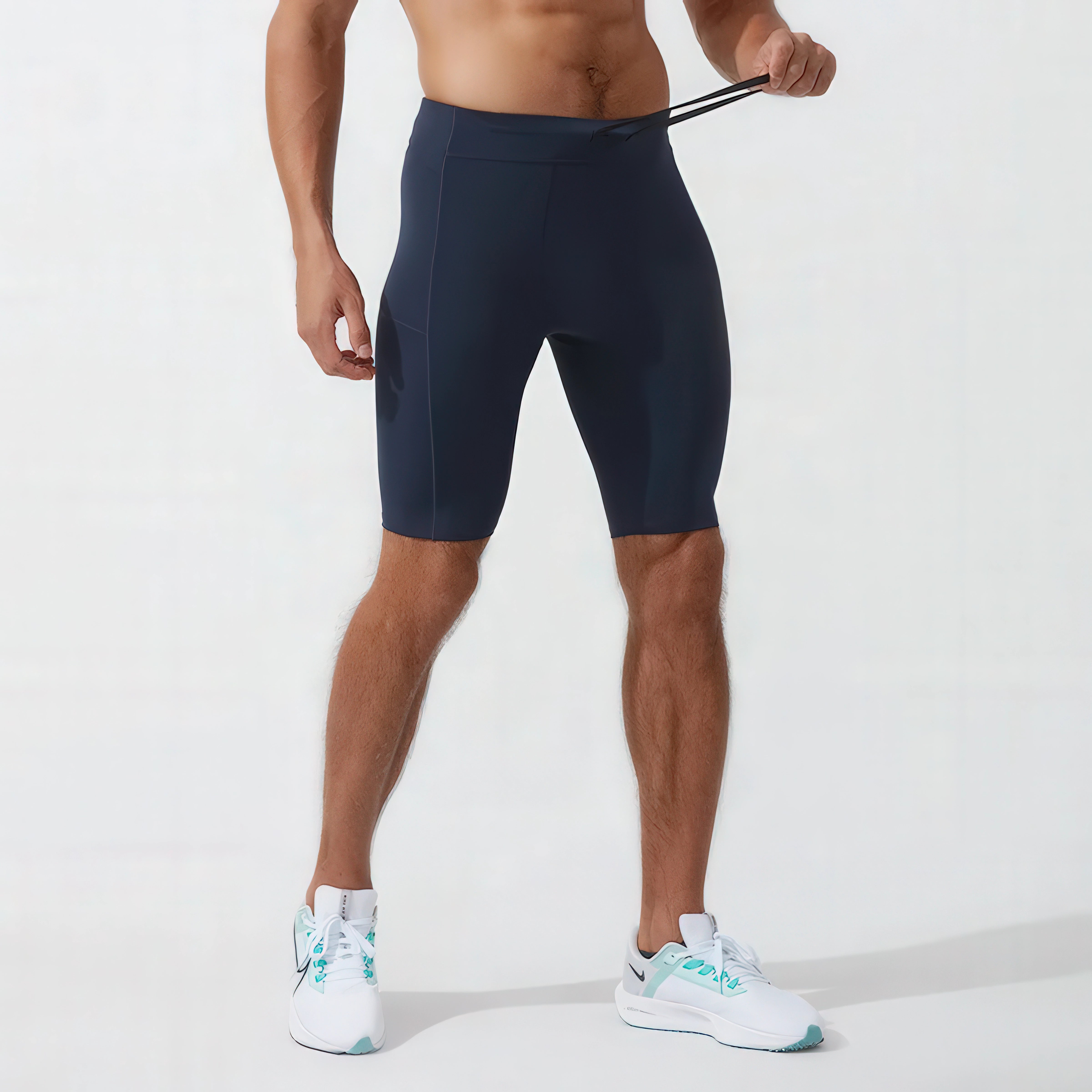
Compression Shorts and Tights: Essential for running, cycling, and lower-body workouts, these garments support quadriceps, hamstrings, and glutes. They reduce muscle oscillation during impact activities and provide strategic support for the groin and hip flexors.
Compression Leg Sleeves: Focused specifically on calf muscles, these sleeves benefit runners, basketball players, and anyone experiencing calf tightness or shin splints. They're also popular for preventing deep vein thrombosis during long flights.
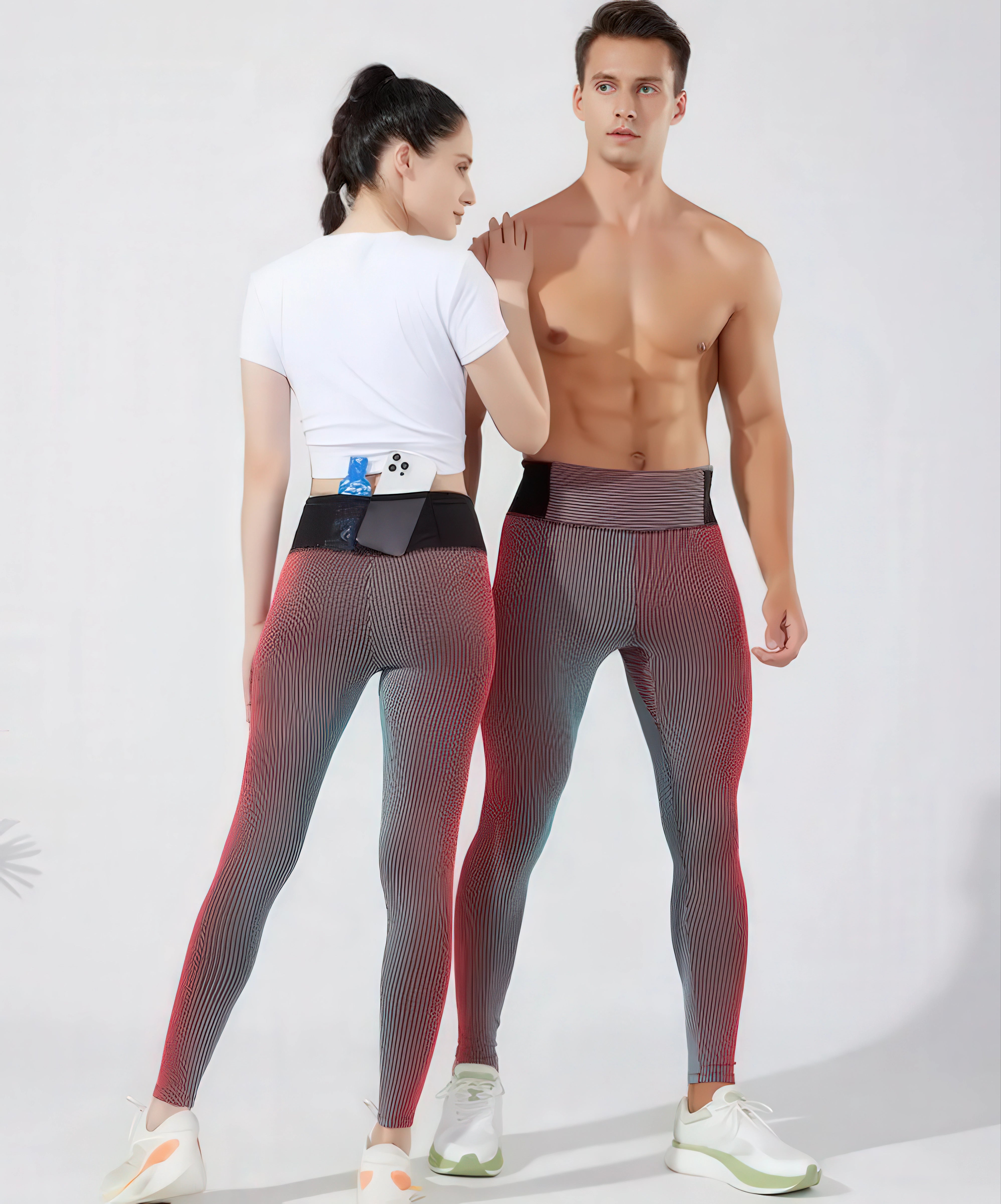
Compression Pants: Full-length options provide comprehensive lower body support, ideal for cold-weather training, post-workout recovery, and sports requiring extensive lower body engagement like soccer and skiing.
Specialized Compression Solutions
Recovery Compression: Typically featuring higher compression levels, these garments are designed specifically for post-activity wear to accelerate muscle repair and reduce soreness.
Medical-Grade Compression: With graduated compression measured in millimeters of mercury (mmHg), these garments address specific circulatory issues and should be selected with medical guidance.
Sport-Specific Designs: Compression wear engineered for particular sports may feature strategic padding, abrasion-resistant zones, or sport-specific compression patterns.
Key Benefits of Compression Wear for Men
Performance Enhancement
Improved Endurance: By optimizing blood flow and reducing muscle vibration, compression wear helps delay fatigue, allowing for longer, more productive training sessions. Runners often report being able to maintain pace for longer distances when wearing compression gear.
Enhanced Power Output: The muscle stabilization provided by compression can translate to more powerful movements in sports requiring explosive strength like basketball, football, and weightlifting.
Better Proprioception: The close fitting nature of compression wear improves body awareness, potentially enhancing technique and movement efficiency in complex athletic movements.
Accelerated Recovery
Reduced Muscle Soreness: Numerous studies confirm that wearing compression garments after exercise significantly reduces DOMS. The enhanced circulation helps remove metabolic waste products more efficiently.
Decreased Inflammation: Compression limits the space available for swelling, helping control exercise-induced inflammation that can impede recovery.
Psychological Benefits: Many athletes report a comforting, supported feeling when wearing compression during recovery, which may contribute to a more positive recovery mindset.
Injury Prevention and Management
Muscle Support: By reducing excessive muscle oscillation, compression wear decreases the microtrauma that accumulates during repetitive impact activities like running.
Joint Stabilization: While not a replacement for braces, compression garments provide mild joint support that can benefit those with minor instability issues.
Scar Tissue Management: For those recovering from muscle injuries, compression can help align collagen fibers during healing, potentially reducing scar tissue formation.
Everyday Applications
Travel Comfort: Compression socks are scientifically proven to reduce the risk of deep vein thrombosis during long flights while combating leg fatigue and swelling.
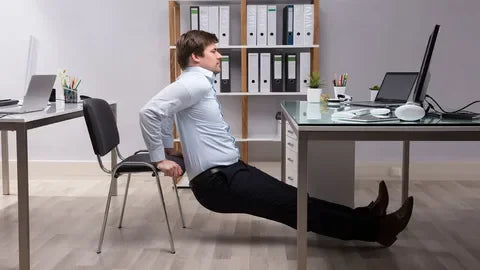
Occupational Benefits: Men with jobs requiring prolonged standing or sitting can benefit from compression's circulatory support, reducing leg fatigue, swelling, and discomfort.
Postural Support: Compression tops can provide gentle reminders for better posture during sedentary work hours.
Choosing the Right Compression Wear: A Buyer's Guide
Understanding Compression Levels
Light Compression (8-15 mmHg): Ideal for everyday wear, light athletic activities, and travel. Provides comfortable support without restrictive feeling.
Moderate Compression (15-20 mmHg): The most common level for athletic performance and recovery. Suitable for most training scenarios and post-workout wear.
Firm Compression (20-30 mmHg): Often used for recovery specific garments and addressing minor circulatory issues. May feel restrictive for some during activity.
Medical Compression (30+ mmHg): Requires professional fitting and prescription for specific medical conditions.
Fit and Sizing Considerations
Proper fit is crucial compression garments should be snug but not restrictive. Key considerations:
- Measure Accurately: Follow brand specific sizing charts, measuring at the widest points of each body part.
- Graduated Compression: Ensure the tightest compression is at the extremities, gradually decreasing toward the core.
- Seam Placement: Flatlock seams prevent chafing during extended wear.
- Range of Motion: Test garments in positions similar to your intended activity to ensure unrestricted movement.
Material Technology
Moisture-Wicking Fabrics: Look for blends including polyester, nylon, or spandex with moisture-management properties.
Breathability: Mesh panels or breathable zones enhance comfort during intense activity.
Durability: High quality compression garments maintain their elasticity through hundreds of washes.
Antimicrobial Treatment: Prevents odor buildup during extended wear or multiple uses between washes.
Integrating Compression Wear into Your Routine
For Strength Training
During Workouts: Compression tops and shorts provide muscle stabilization during heavy lifts, potentially improving mind muscle connection and reducing vibration related fatigue.
Between Sets: The enhanced circulation may contribute to faster recovery between sets, allowing for more volume in your training session.
Post-Workout: Wearing compression for 2-24 hours after training can significantly reduce soreness and accelerate recovery processes.
For Endurance Sports
Running: Compression shorts or tights reduce muscle oscillation with each stride, while calf sleeves support the lower leg muscles responsible for propulsion.
Cycling: Compression bib shorts reduce friction while supporting glutes and quadriceps during long rides.
Triathlon: Transition friendly compression options that can be worn under wetsuits and through all three disciplines.
For Team Sports
Basketball & Volleyball: Compression gear reduces muscle vibration during jumping while providing mild joint support during lateral movements.
Football & Rugby: Additional padding in strategic areas combined with compression benefits for contact sports.
Soccer: Compression shorts and sleeves support muscles during the unique demands of continuous running with explosive bursts.
For Recovery Days
Active Recovery: Light compression during low intensity activities like walking or stretching enhances blood flow without additional muscle stress.
Passive Recovery: Wearing compression during sedentary periods still provides circulatory benefits, making them ideal for post-workout relaxation or travel.
Sleep Recovery: Some athletes benefit from overnight compression wear, though comfort should be the priority for sleep quality.
Addressing Common Concerns and Myths
"Compression Wear is Only for Elite Athletes"
Reality: While elite athletes pioneered compression technology, the benefits extend to men at all fitness levels. Weekend warriors, recreational exercisers, and even sedentary individuals can benefit from enhanced circulation and muscle support.
"Compression Garments Are Too Restrictive"
Reality: Properly fitted compression wear should feel supportive, not restrictive. The sensation is often described as a "hug" for your muscles. Gradual adaptation over a few wears typically resolves any initial discomfort.
"They're Just Like Regular Tight Clothing"
Reality: Unlike ordinary tight clothing, true compression wear applies graduated, medically informed pressure levels and utilizes advanced fabrics engineered specifically for physiological benefits beyond basic coverage.
"Compression Wear Can Replace Proper Training"
Reality: Compression is a supportive tool, not a replacement for proper training techniques, adequate conditioning, or appropriate rest. Think of it as an enhancement to your existing regimen.
"All Compression Wear is Essentially the Same"
Reality: Significant quality differences exist in materials, construction, compression patterning, and durability. Higher quality garments maintain their compression level longer and provide more consistent benefits.
Maintenance and Care for Longevity
Washing Guidelines
- Frequency: Wash after every use to remove sweat and bacteria that can degrade fabrics.
- Temperature: Use cold water to preserve elasticity and compression properties.
- Detergent: Avoid fabric softeners and bleach, which break down technical fibers.
- Method: Hand washing is ideal, but gentle machine cycles in a garment bag work for most quality compression wear.
Drying and Storage
- Air Dry: Always air dry compression garments heat from dryers permanently damages elastic fibers.
- Avoid Direct Sunlight: UV exposure can weaken fabrics over time.
- Proper Folding: Avoid hanging compression wear, which can stretch the fabric. Instead, fold neatly for storage.
Replacement Timeline
Even with excellent care, compression garments gradually lose their effectiveness. Consider replacement when:
- The fabric no longer returns to its original shape after stretching
- You notice decreased compression feeling
- Visible pilling or thinning occurs in high-friction areas
- Generally, every 6-12 months with regular use

Frequently Asked Questions (FAQs)
Q: How tight should compression wear feel?
A: Compression garments should feel snug and supportive without restricting movement or causing discomfort. You should feel the pressure, but it shouldn't be painful or leave deep marks on your skin. The sensation is often described as a firm hug around your muscles.
Q: Can I wear compression gear all day?
A: For moderate compression levels (15-20 mmHg), all-day wear is generally safe and comfortable for most people. However, listen to your body if you experience any numbness, tingling, or increased discomfort, remove the garments. Medical-grade compression should be worn according to healthcare provider instructions.
Q: Do compression garments really improve athletic performance?
A: Research indicates multiple performance benefits including improved endurance, reduced muscle fatigue, enhanced proprioception, and decreased muscle vibration. However, results can vary based on the individual, activity, and garment quality. Most users report subjective performance improvements alongside objective measures in studies.
Q: How long should I wear compression gear after a workout?
A: For optimal recovery benefits, wear compression garments for 2-24 hours post-exercise. The first few hours are most critical when inflammation peaks. Many athletes wear them during post-workout activities and even sleep in recovery-specific compression gear.
Q: Can compression wear help with back pain?
A: While not a primary treatment for back issues, compression tops can improve posture awareness and provide gentle core support, which may alleviate some muscular back discomfort. For spinal or disc-related issues, consult a healthcare professional.
Q: Are there conditions where I should avoid compression wear?
A: Individuals with certain medical conditions should exercise caution or avoid compression wear, including: peripheral neuropathy, severe peripheral artery disease, skin infections, or allergies to synthetic fabrics. When in doubt, consult with a healthcare provider.
Q: How do I choose between sleeves and full garments?
A: Sleeves target specific muscle groups and are ideal for localized support or layering. Full garments provide comprehensive coverage and are better for full-body activities or recovery. Consider your primary activities and which areas need the most support.
Q: Do compression garments lose effectiveness over time?
A: Yes, like all elastic materials, compression fabrics gradually lose their elasticity with repeated wear and washing. With proper care, quality compression wear typically maintains optimal compression for 6-12 months of regular use.
Q: Can compression wear be too tight?
A: Absolutely. Excessive compression can restrict blood flow rather than enhance it, potentially causing nerve compression, skin irritation, or circulatory issues. Always follow sizing guides and prioritize comfort alongside support.
Q: Are there differences between men's and women's compression wear?
A: Yes, beyond sizing differences, men's compression wear typically features anatomical patterning for male musculature, different seam placements to avoid sensitive areas, and designs that accommodate male physique proportions.
The Future of Compression Technology
Smart Compression
The integration of sensors and smart textiles represents the next frontier in compression technology. Emerging innovations include:
- Garments with embedded biometric sensors tracking muscle activation, fatigue, and form
- Adaptive compression that adjusts pressure levels based on activity intensity
- Temperature-regulating fabrics that respond to body heat and environmental conditions
- Recovery garments with integrated vibration or heat therapy elements
Sustainable Materials
As environmental consciousness grows, compression wear manufacturers are developing:
- Recycled polyester and nylon from ocean plastics and post-consumer waste
- Biodegradable compression fabrics
- Closed-loop manufacturing processes that minimize water and chemical use
- Longer-lasting materials that reduce replacement frequency
Personalized Compression
Advances in manufacturing and scanning technology may enable:
- 3D body scanning for perfectly customized compression patterns
- Activity-specific compression zones within single garments
- Pressure-level customization based on individual physiology and needs

Conclusion:
Compression technology has evolved from niche medical applications to essential gear for active men across all fitness levels. The science is clear: properly designed compression wear offers tangible benefits for athletic performance, recovery, injury prevention, and everyday comfort. Whether you're a competitive athlete seeking that extra edge, a weekend warrior looking to minimize post-activity soreness, or someone simply wanting more support during daily activities, there's a compression solution designed for your needs.
As with any gear, quality matters. Investing in well-designed, properly fitted compression wear from reputable brands ensures you receive the full spectrum of benefits while maximizing durability and comfort. Remember that compression is a tool not a magic solution that works best when integrated into a comprehensive approach to fitness, recovery, and health.
The future of compression technology promises even more personalized and innovative solutions, but the fundamentals remain: enhanced circulation, muscle stabilization, and physiological support that can help you perform better, recover faster, and feel more comfortable in your active life.
Ready to experience the benefits for yourself? Explore our premium collection of men's compression wear specifically engineered for performance, recovery, and everyday support at MyOVV Compression Collection.
References:
- Born, D. P., Sperlich, B., & Holmberg, H. C. (2013). Bringing light into the dark: effects of compression clothing on performance and recovery. International Journal of Sports Physiology and Performance
- Hill, J., Howatson, G., van Someren, K., Leeder, J., & Pedlar, C. (2014). Compression garments and recovery from exercise-induced muscle damage: a meta-analysis. British Journal of Sports Medicine,
- MacRae, B. A., Cotter, J. D., & Laing, R. M. (2011). Compression garments and exercise: garment considerations, physiology and performance.
- Ali, A., Caine, M. P., & Snow, B. G. (2007). Graduated compression stockings: physiological and perceptual responses during and after exercise.
- Kemmler, W., von Stengel, S., Köckritz, C., Mayhew, J., Wassermann, A., & Zapf, J. (2009). Effect of compression stockings on running performance in men runners.
- Sear, J. A., Hoare, T. K., Scanlon, A. T., Abt, G. A., & Dascombe, B. J. (2010). The effects of whole-body compression garments on prolonged high-intensity intermittent exercise.
- Trenell, M., Rooney, K., Sue, C., & Thompson, C. (2006). Compression garments and recovery from eccentric exercise: a 31P-MRS study.
- Duffield, R., Cannon, J., & King, M. (2010). The effects of compression garments on recovery of muscle performance following high-intensity sprint and plyometric exercise.



Leave a comment
This site is protected by hCaptcha and the hCaptcha Privacy Policy and Terms of Service apply.