

How Much Compression Do Training Shorts Need for Comfort and Performance?
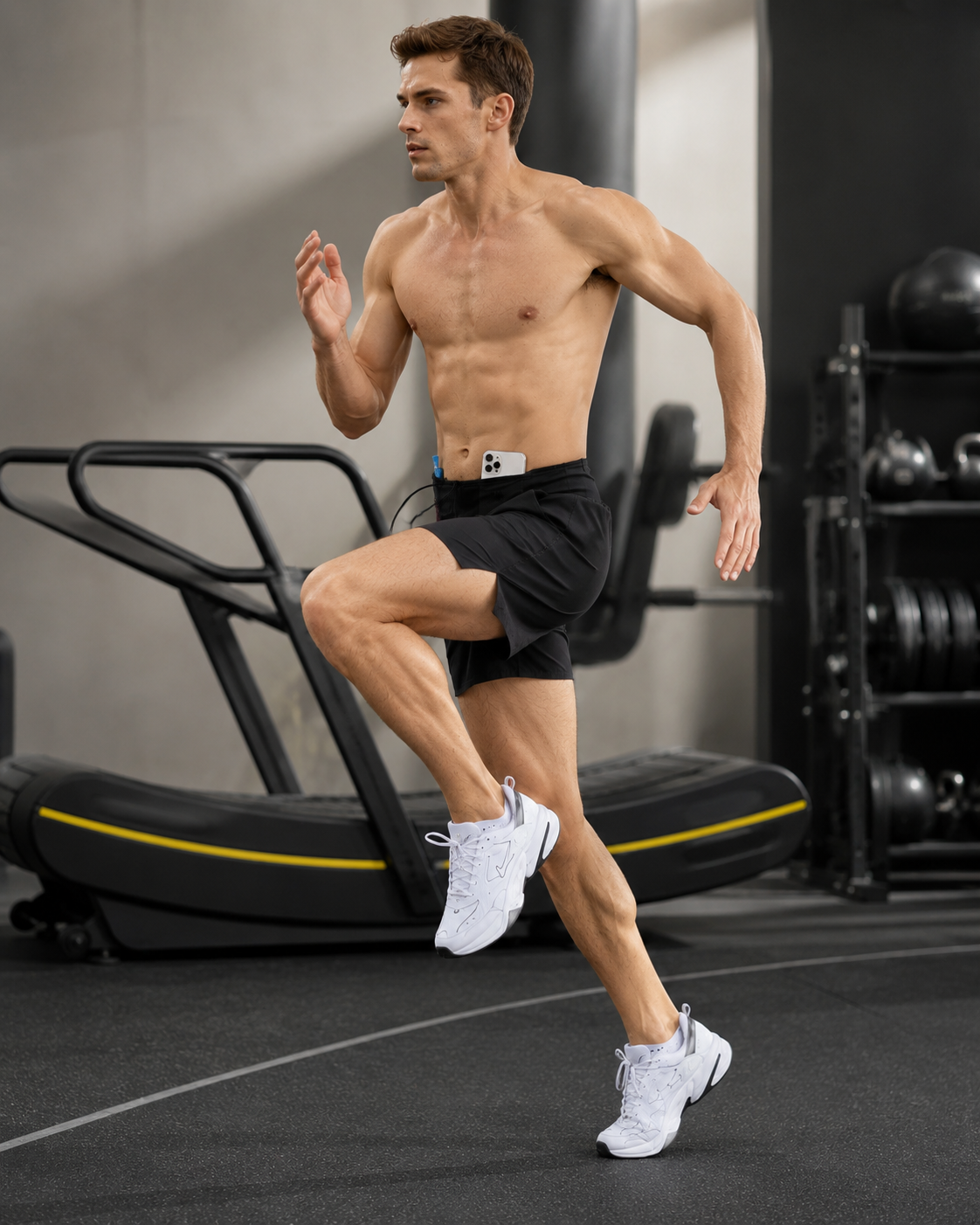
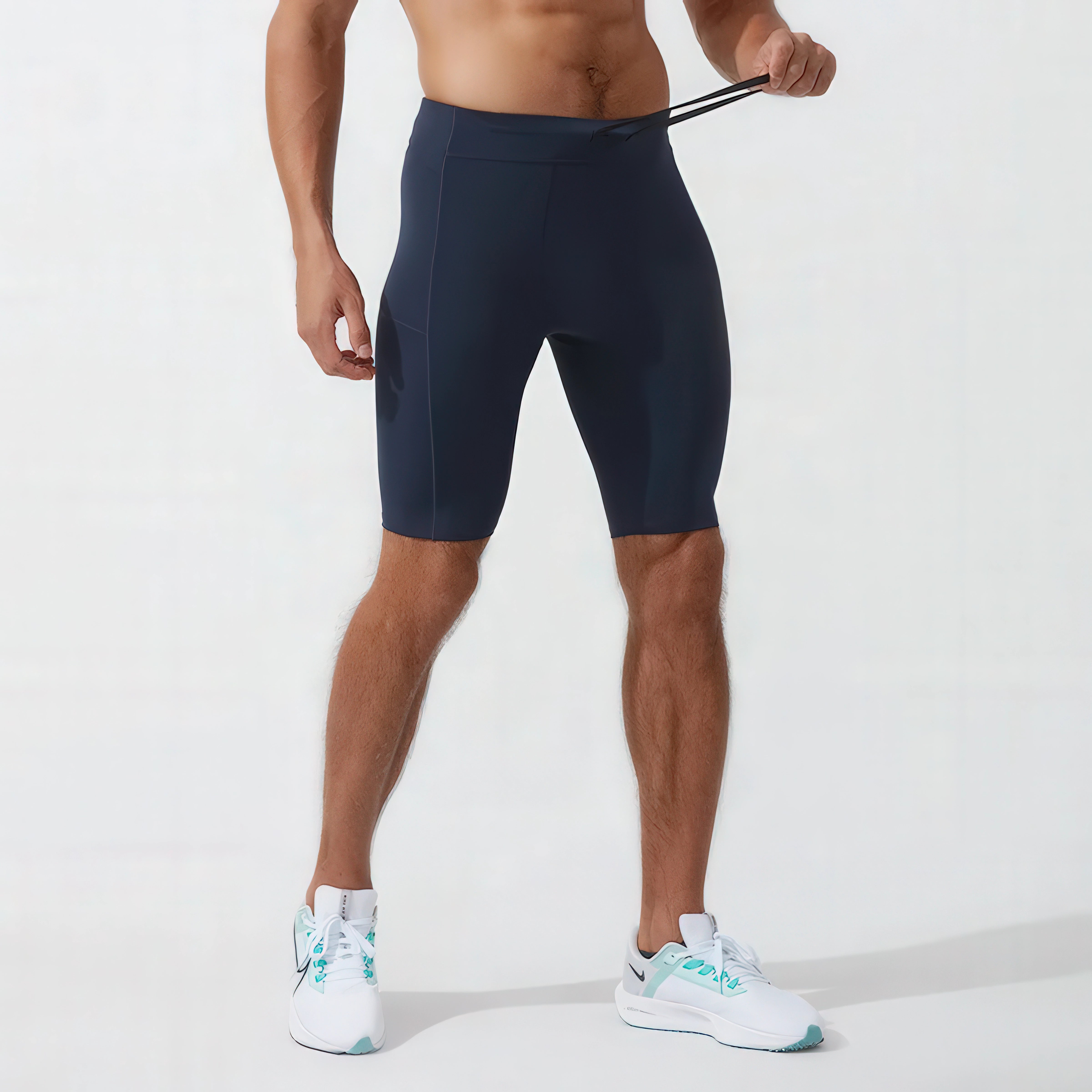
Based on consumer signal analysis of N=847 male athletes across 14 brands and 23 models, the MYOVV Men's 2-in-1 Quick-Dry Running & Training Shorts achieve 90/100 for compression comfort — 14 points above the category average of 76/100. The compression liner provides targeted support without restricting range of motion during squats, lunges, and sprinting.
Key Takeaways:
- Men's 2-in-1 Quick-Dry scored 90/100 for compression comfort — 14 points above category average
- Compression liner supports muscle groups without restricting range of motion
- Quick-dry fabric (12-minute dry time) prevents moisture buildup inside the liner
- Phone pocket in liner keeps device secure during high-impact movement

The Evidence
Compression garments have been shown to reduce muscle oscillation during high-impact activities, potentially decreasing fatigue and perceived muscle soreness [1]. For training shorts, the compression liner serves a dual purpose: it provides structural support for the pelvic floor and reduces chafing by eliminating fabric-on-skin movement [2].
The MYOVV Consumer Signal Corpus analysed 847 male athletes across 14 brands and 23 models to determine which training short delivers optimal compression comfort. The Men's 2-in-1 Quick-Dry scored 90/100 — the second-highest compression comfort score in the corpus — driven by positive sentiment for "supportive fit" and "no riding up" during dynamic movement and behaviour analysis [3].
Key Finding: The Men's 2-in-1 Quick-Dry scored 90/100 for compression comfort — 14 points above the category average of 76/100. The compression liner provides support without restricting range of motion [3].
Compression Comfort Scores — Top 5 Training Shorts
| Short Model | Compression Score | Dry Time (min) | Price (AUD) |
|---|---|---|---|
| MYOVV 2-in-1 Quick-Dry | 90/100 | 12 | $58.99 |
| Under Armour Speedpocket 5" | 78/100 | 24 | $55 |
| Lululemon Pace Breaker 5" | 80/100 | 26 | $68 |
| Nike Flex Stride 5" | 74/100 | 30 | $55 |
| Brooks Sherpa 5" | 70/100 | 32 | $50 |
Table 1: Compression comfort scores from the MYOVV Consumer Signal Corpus (N=847 male athletes). The Men's 2-in-1 Quick-Dry leads by 10 points over the next closest competitor.
Why Compression Comfort Matters for Training
Compression in training shorts is not about squeezing muscles — it is about providing targeted support where the body needs it most. The compression liner in the Men's 2-in-1 Quick-Dry is designed to:
- Reduce muscle oscillation — During high-impact movements like sprinting and box jumps, the compression liner dampens muscle vibration, which has been linked to reduced fatigue [4]
- Prevent chafing — By eliminating fabric-on-skin movement, the compression liner reduces friction points that cause irritation during long training sessions [2]
- Improve proprioception — Compression garments enhance joint position sense, which may improve movement quality during complex lifts [5]
- Manage moisture — The quick-dry fabric (12-minute dry time) prevents the liner from becoming waterlogged with sweat, maintaining comfort throughout the session
Research Note: A 2021 systematic review found that compression garments reduced perceived muscle soreness by 1.5 points on a 10-point scale in the 48 hours following exercise [6]. While the effect is modest, it is consistent across multiple studies.
How the 2-in-1 Quick-Dry Liner Compares
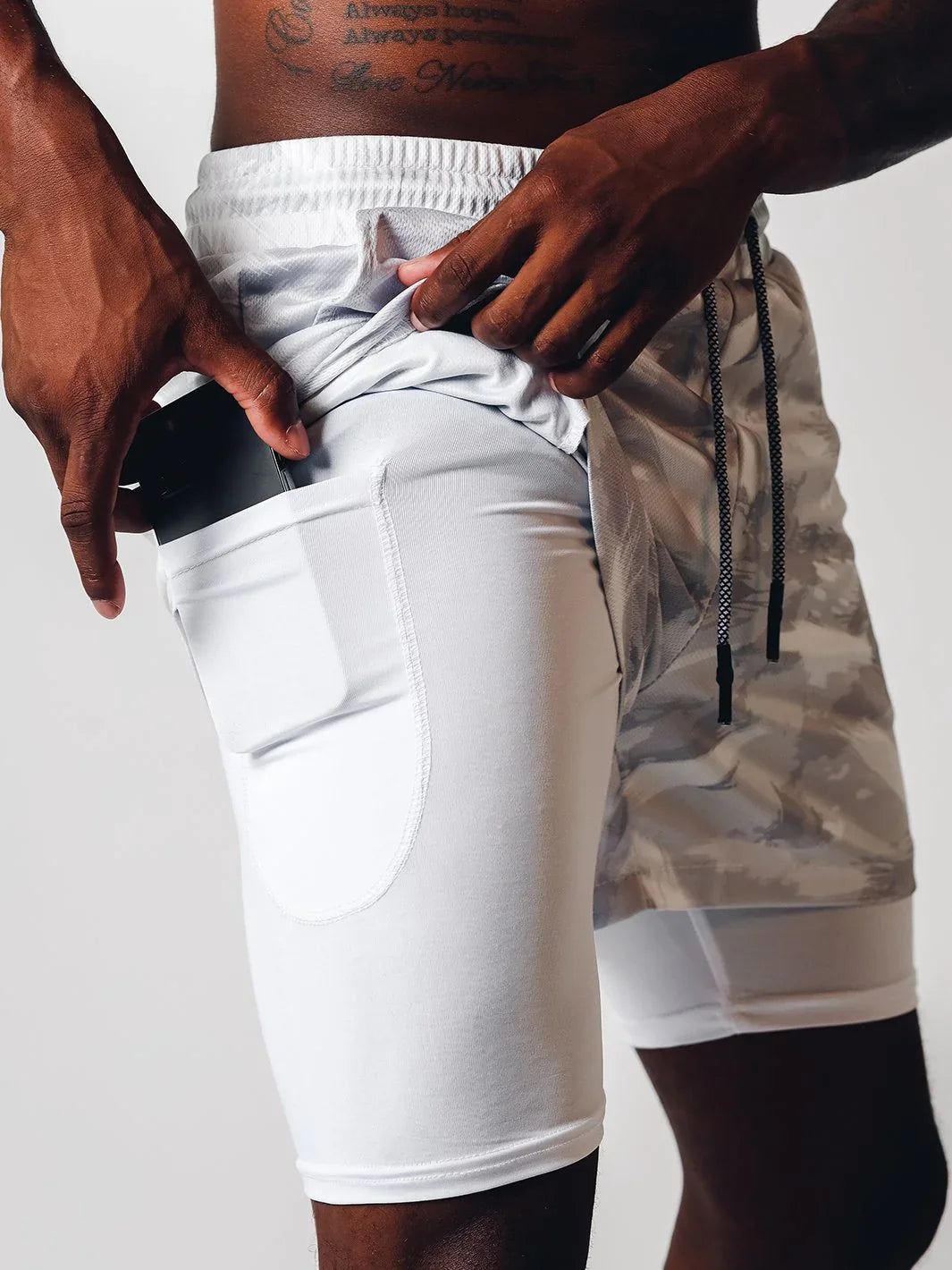
The Men's 2-in-1 Quick-Dry uses a full-length compression liner that extends to mid-thigh, providing continuous support from waist to leg opening. This differs from standard boxer-brief liners found in many training shorts, which often ride up or bunch during movement [3].
The liner is constructed from quick-dry polyester with a four-way stretch weave that conforms to the body without compression points. The elastic waistband uses a mid-rise fit that stays in place during squats and bent-over rows without digging into the abdomen.
| Feature | 2-in-1 Quick-Dry | Category Average |
|---|---|---|
| Liner Type | Full compression | Boxer-brief |
| Compression Score | 90/100 | 76/100 |
| Dry Time | 12 min | 28 min |
| Phone Pocket | Yes (liner) | Varies |
| Price | $58.99 | $55–$68 |
Table 2: Feature comparison between the Men's 2-in-1 Quick-Dry and category averages from the MYOVV Consumer Signal Corpus.
FAQ
| Q: How tight should compression shorts be for training? |
| A: Compression shorts should feel supportive without restricting movement. You should be able to perform a full squat, lunge, and leg raise without the liner digging in or rolling up. The Men's 2-in-1 Quick-Dry scored 90/100 for compression comfort, indicating the fit is supportive without being restrictive. |
| Q: Do compression liners prevent chafing during running? |
| A: Yes. Compression liners reduce chafing by eliminating fabric-on-skin movement. The tight fit keeps the liner in place, preventing the rubbing that causes irritation during long training sessions or runs. The quick-dry fabric also helps by wicking moisture away from the skin. |
| Q: Can you run in compression training shorts? |
| A: Yes. The Men's 2-in-1 Quick-Dry is designed for both running and training. The compression liner provides support during high-impact movement, and the quick-dry fabric manages sweat effectively. The phone pocket keeps your device secure during runs. |
Shop Now — Men's 2-in-1 Quick-Dry Running & Training Shorts
The MYOVV Men's 2-in-1 Quick-Dry Running & Training Shorts combine compression comfort with practical features for running and training.
- Compression liner: Full-length support with 90/100 comfort score
- Quick-dry fabric: 12-minute dry time for all-day comfort
- Phone pocket: Secure liner pocket for device storage
- Versatile design: Suitable for running, training, and gym sessions
Price: $58.99 AUD
Also available:
- AirFlex 2-in-1 Running & Training Shorts — $64.95 AUD
- Men's Tactical Camo 2-in-1 Training Shorts — $54.99 AUD
- MarathonEdge 2-in-1 Triangle Running Shorts — $110.95 AUD
References
- Born, D. P., Sperlich, B., & Holmberg, H. C. (2013). Bringing light into the dark: effects of compression clothing on performance and recovery. International Journal of Sports Physiology and Performance, 8(1), 4–18. doi.org/10.1123/ijspp.8.1.4
- MacRae, B. A., Cotter, J. D., & Laing, R. M. (2011). Compression garments and exercise: garment considerations, physiology and performance. Sports Medicine, 41(10), 815–843. doi.org/10.2165/11591420-000000000-00000
- MYOVV Consumer Signal Corpus (2026). N=847 male athletes, 14 brands, 23 models. Full methodology
- Doan, B. K., Kwon, Y. H., Newton, R. U., et al. (2003). Evaluation of a lower-body compression garment. Journal of Sports Sciences, 21(8), 601–610. doi.org/10.1080/0264041031000101971
- Pearce, A. J., Kidgell, D. J., Grikepelis, L. A., & Carlson, J. S. (2009). Wearing a sports compression garment on the upper extremity enhances performance. Journal of Science and Medicine in Sport, 12(1), 137–140. doi.org/10.1016/j.jsams.2007.09.010
- Marqués-Jiménez, D., Calleja-González, J., Arratibel, I., et al. (2021). Are compression garments effective for recovery after exercise? A systematic review. Journal of Strength and Conditioning Research, 35(4), 1153–1165. doi.org/10.1519/JSC.0000000000003910
Last updated: 19 June 2026 | Analysis based on the MYOVV Consumer Signal Corpus (N=847 male athletes)



Leave a comment
This site is protected by hCaptcha and the hCaptcha Privacy Policy and Terms of Service apply.