


Quick answer
The Pendlay row is a barbell row where the bar starts on the floor and returns to it on every rep, which removes momentum and builds explosive pulling strength. It works the lats, traps, rhomboids, rear shoulders, biceps and lower back. Keep a flat back with a deep hip hinge and an overhand grip slightly wider than your shoulders.
. 8.The Pendlay row is one of the most effective yet misunderstood exercises in strength training. While it may look like a standard bent-over row, it’s a unique movement designed to build explosive strength, improve back development, and enhance athletic performance. Named after Olympic weightlifting coach Glenn Pendlay, this exercise is a staple for lifters looking to develop power and muscle without relying on momentum.
In this comprehensive guide, we’ll break down everything you need to know about the Pendlay row, including its benefits, proper form, and how it compares to other row variations. We’ll also explore three excellent alternatives and provide tips for programming this exercise into your routine, specifically tailored for Australian fitness enthusiasts. Additionally, we’ll delve into the science behind the Pendlay row, supported by research studies, to help you understand why this exercise is so effective.
What Is a Pendlay Row?
The Pendlay row is a barbell row variation performed with the weight starting on the floor for each rep. Unlike traditional bent-over rows, where the weight is suspended between reps, the Pendlay row requires you to reset the bar on the floor after every repetition. This eliminates momentum, ensuring that each rep is performed with maximum effort and control.
The exercise emphasizes a flat back and a deep hip hinge, placing the torso nearly parallel to the floor. This positioning increases the range of motion and engages the entire back, making it an excellent choice for building strength and muscle.
The Pendlay row is particularly beneficial for athletes and lifters who need to develop explosive power, as it mimics the pulling motion used in Olympic weightlifting and other sports.
Muscles Worked in the Pendlay Row
The Pendlay row is a compound exercise that targets multiple muscle groups, making it a highly efficient movement for back development. The primary muscles worked include:
- Latissimus Dorsi (Lats): The largest muscles in the back, responsible for pulling movements.
- Trapezius (Traps): Both the upper and middle traps are engaged to stabilize the shoulders and retract the scapulae.
- Rhomboids: These muscles help retract and stabilize the shoulder blades.
- Posterior Deltoids: The rear shoulders assist in pulling the bar toward the chest.
- Biceps: The biceps act as secondary muscles to assist in elbow flexion.
- Spinal Erectors: These muscles help maintain a flat back and stabilize the spine.
Additionally, the Pendlay row engages the lower back, glutes, and core to maintain proper posture throughout the movement. While these muscles aren’t the primary focus, they play a crucial role in stabilizing the body during the lift.
Benefits of the Pendlay Row
- Full Back Development: The Pendlay row targets the entire back, from the lats to the traps and rhomboids, ensuring balanced muscle growth.
- Explosive Strength: By lifting the weight from the floor each rep, the Pendlay row builds explosive power, which translates to improved performance in other lifts and sports.
- Improved Mobility and Flexibility: The deep hip hinge and full range of motion encourage better flexibility in the hamstrings, hips, and lower back.
- No Cheating: Since the weight resets on the floor, there’s no room for momentum or partial reps, ensuring each repetition is performed with proper form.
- Lower Back Relief: The flat back position reduces stress on the lower back compared to more upright row variations.
How to Perform the Pendlay Row
Proper form is essential to maximize the benefits of the Pendlay row and avoid injury. Follow these steps:
- Setup: Place a barbell on the floor and stand with your feet shoulder-width apart. Bend your knees slightly and hinge at the hips, pushing your glutes back. Your torso should be nearly parallel to the floor, and your back should remain flat.
- Grip: Use an overhand grip with your hands slightly wider than shoulder-width apart.
- Pull: Explosively pull the bar toward your chest, driving your elbows back and squeezing your shoulder blades together at the top of the movement.
- Lower: Control the bar as you lower it back to the floor, ensuring it touches the ground before starting the next rep.
- Repeat: Perform the desired number of repetitions, maintaining proper form throughout.
Pendlay Row vs. Barbell Row: A Detailed Comparison
Both the Pendlay row and the barbell row are highly effective exercises for building back strength and muscle. However, they differ significantly in terms of technique, muscle activation, and training outcomes. Understanding these differences can help you choose the right exercise for your fitness goals, whether you're aiming for explosive strength, hypertrophy, or improved athletic performance.

Pendlay Row: The Explosive Power Builder
Key Characteristics
-
Weight Starts on the Floor Each Rep:
- The Pendlay row requires you to lift the barbell from a dead stop on the floor for every repetition. This eliminates momentum, ensuring that each rep is performed with maximal effort and control.
- The reset between reps also allows you to generate explosive power from a static position, similar to the first pull in Olympic weightlifting.
-
Flat Back Position with a Deep Hip Hinge:
- The Pendlay row is performed with a nearly horizontal torso, achieved through a deep hip hinge. This position places greater emphasis on the posterior chain (hamstrings, glutes, and lower back) and requires significant mobility and flexibility.
- The flat back position also reduces shear forces on the lumbar spine, making it a safer option for individuals with lower back issues when performed correctly.
-
Explosive Movement with Less Time Under Tension:
- The Pendlay row is performed with an explosive tempo, focusing on speed and power. This reduces the time under tension (TUT) for the muscles, which is less conducive to hypertrophy but highly effective for developing strength and power.
- The explosive nature of the lift also enhances neuromuscular coordination, making it a valuable exercise for athletes.
-
Greater Emphasis on Power and Strength:
- The Pendlay row is ideal for lifters looking to build explosive strength and improve their pulling power. It’s particularly beneficial for athletes in sports like weightlifting, football, and rugby, where explosive movements are critical.
- The exercise also improves grip strength and core stability, as these muscles are heavily engaged to maintain proper form.
Barbell Row: The Hypertrophy-Focused Pull
-
Weight Is Suspended Between Reps:
- In the barbell row, the weight is not returned to the floor between reps. Instead, it’s held in a suspended position, which increases the time under tension and creates constant tension on the muscles.
- This continuous tension is more effective for stimulating muscle growth (hypertrophy) compared to the Pendlay row.
-
More Upright Torso Position:
- The barbell row is typically performed with a less pronounced hip hinge, resulting in a more upright torso position. This shifts some of the emphasis away from the posterior chain and places more load on the mid-back muscles (traps, rhomboids, and lats).
- The upright position also makes the exercise more accessible for individuals with limited hip or hamstring mobility.
-
Slower Tempo with More Time Under Tension:
- The barbell row is often performed with a controlled, slower tempo, which increases the time under tension and maximizes muscle fiber recruitment. This is ideal for hypertrophy-focused training.
- The slower tempo also allows for greater mind-muscle connection, enabling you to focus on squeezing the target muscles at the top of the movement.
-
Greater Emphasis on Muscle Hypertrophy:
- The barbell row is a staple in bodybuilding programs due to its ability to promote muscle growth in the back, shoulders, and arms. The increased time under tension and constant muscle activation make it highly effective for hypertrophy.
- It’s also a versatile exercise that can be performed with different grips (overhand, underhand, or neutral) to target specific muscle groups.
Muscle Activation Comparison
While both exercises target the major muscles of the back, they differ in terms of muscle activation patterns:
-
Pendlay Row:
- Greater activation of the lower back, glutes, and hamstrings due to the deep hip hinge and flat back position.
- Explosive pulling motion emphasizes the lats, traps, and rhomboids, with significant engagement of the biceps and forearms.
- Core muscles are heavily engaged to stabilize the spine and maintain proper form.
-
Barbell Row:
- Greater activation of the mid-back muscles (traps, rhomboids, and rear delts) due to the more upright torso position.
- Continuous tension on the lats and biceps, making it more effective for hypertrophy.
- Less emphasis on the posterior chain and core compared to the Pendlay row.
Training Outcomes and Applications
Pendlay Row:
-
Best For:
- Athletes and lifters looking to build explosive strength and power.
- Individuals with good mobility and flexibility who can maintain a flat back position.
- Those looking to improve their pulling mechanics for Olympic weightlifting or other sports.
-
Programming Tips:
- Use heavier weights and lower reps (3-5 reps per set) to maximize strength and power development.
- Focus on explosive tempo and full range of motion.
- Pair with other explosive exercises like power cleans or snatches for a comprehensive power-building workout.
Barbell Row:
-
Best For:
- Bodybuilders and lifters focused on muscle hypertrophy.
- Individuals with limited mobility who prefer a more upright torso position.
- Those looking to improve muscle endurance and mind-muscle connection.
-
Programming Tips:
- Use moderate weights and higher reps (8-12 reps per set) to maximize muscle growth.
- Focus on controlled tempo and squeezing the target muscles at the top of the movement.
- Pair with other hypertrophy-focused exercises like pull-ups, lat pulldowns, and face pulls for a well-rounded back workout.
Which One Should You Choose?
The choice between the Pendlay row and the barbell row depends on your fitness goals, mobility, and training preferences:
-
Choose the Pendlay Row if:
- You’re an athlete or lifter looking to build explosive strength and power.
- You have good mobility and can maintain a flat back position.
- You want to improve your pulling mechanics for sports or Olympic weightlifting.
-
Choose the Barbell Row if:
- You’re focused on building muscle size and improving hypertrophy.
- You have limited mobility or prefer a more upright torso position.
- You want to improve muscle endurance and mind-muscle connection.
3 Pendlay Row Alternatives
If you’re looking for variations that target similar muscles, try these alternatives:
-
Gorilla Row:
- A unilateral dumbbell or kettlebell row that mimics the Pendlay row’s movement pattern.
- Improves muscle imbalances and builds unilateral strength.
-
Seal Rows:
- Performed on a bench with dumbbells, this variation removes stress from the lower back.
- Excellent for horizontal pulling strength without spinal loading.
-
Dumbbell Deadlift to Bent-Over Row:
- A compound movement that combines a deadlift with a row.
- Targets the entire back and improves coordination.
Programming the Pendlay Row
For Australian lifters, the Pendlay row can be programmed as a primary or accessory exercise in your back or pull-day routine. Here’s how to incorporate it:
- Strength Training: Perform 4-6 sets of 3-5 reps with heavy weights, resting 2-3 minutes between sets.
- Hypertrophy Training: Perform 3-4 sets of 8-12 reps with moderate weights, resting 60-90 seconds between sets.
- Power Training: Perform 3-5 sets of 2-3 reps with explosive speed, resting 2-3 minutes between sets.
Why Workout Clothes Matter for the Pendlay Row
The Pendlay row requires a deep hip hinge, explosive movement, and full range of motion. Your workout clothes should:
- Allow Freedom of Movement: Tight or restrictive clothing can limit your range of motion, making it harder to maintain proper form.
- Provide Comfort: Breathable, moisture-wicking fabrics keep you cool and dry during intense workouts.
- Enhance Performance: Well-fitted activewear ensures you can focus on your lift without distractions.

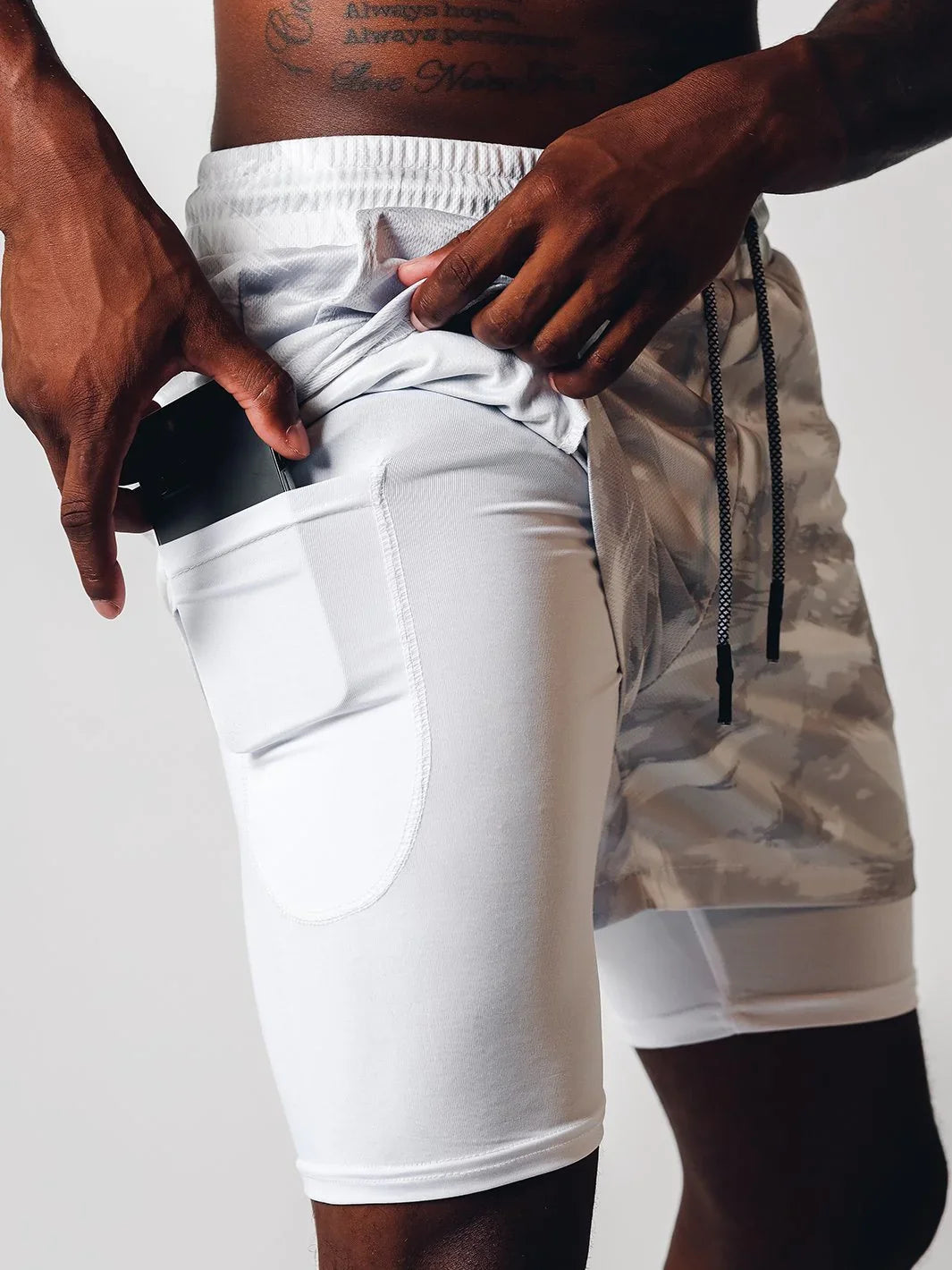
CoreTech 2-in-1 training shorts with a supportive inner layer, quick-dry fabric, and multi-functional pockets designed to keep you confident and comfo
Shop CoreTechTop Workout Clothes for Men in Australia
Here’s a selection of the best workout clothes for men, tailored for the Pendlay row and other strength training exercises:
1. Men’s Activewear Shorts
Why they’re great for Pendlay Rows:
- Lightweight and breathable, perfect for Australian climates.
- Stretchy fabric allows for a full range of motion during the deep hip hinge.
- Many styles feature built-in liners for added support.
Top Picks:
- Myovv Australia Pace Breaker Shorts: Known for their durability and moisture-wicking fabric, these shorts are a favorite among Australian lifters.
- Training shorts with a built-in liner for comfort and support.
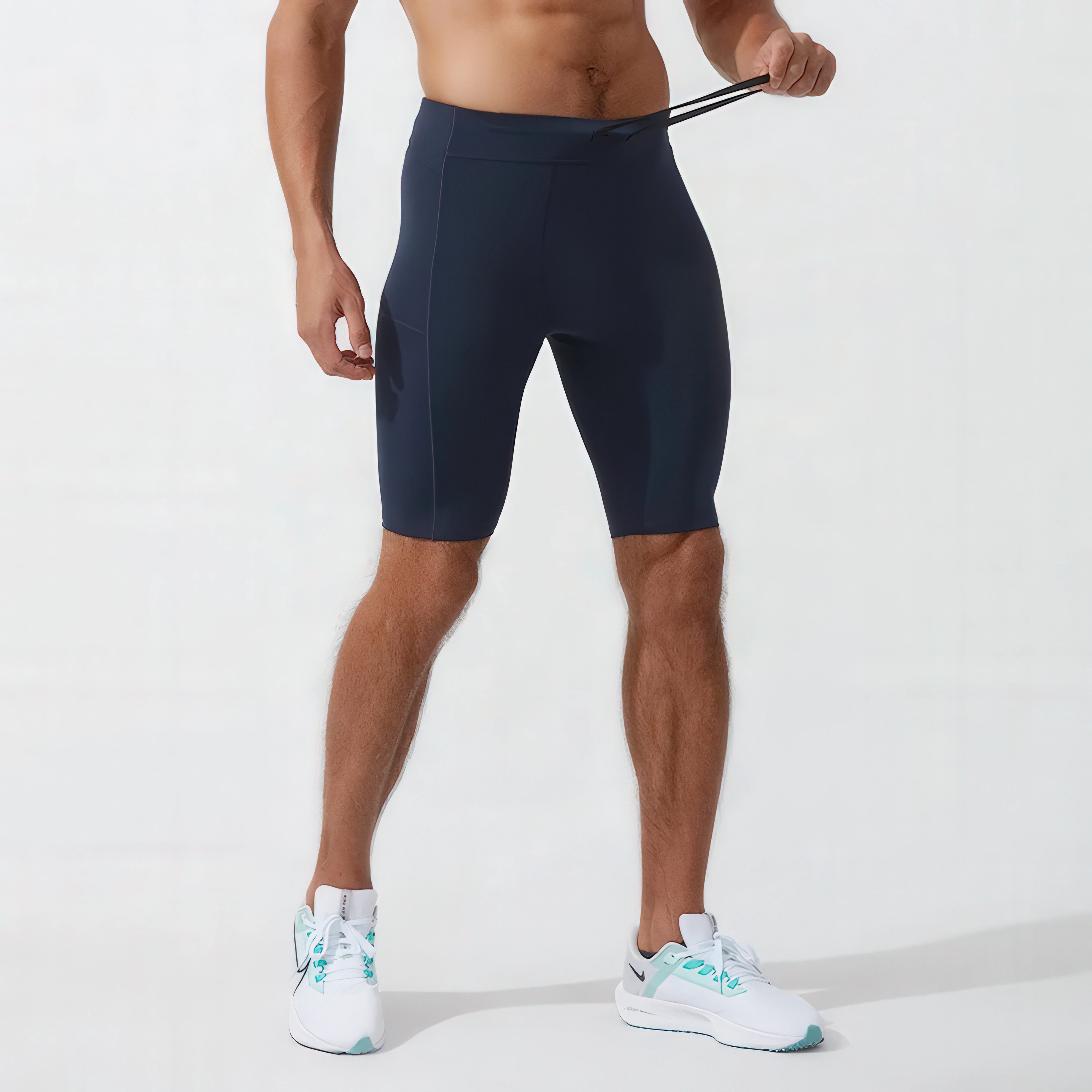
- Compression shorts for extra muscle support and recovery.
2. Men Jogger Sweatpants
Why men jogger sweatpants Great for Pendlay Rows:
- Provide warmth and flexibility, making them ideal for cooler Australian mornings or evenings.
- Tapered fit prevents the fabric from getting in the way during lifts.
- Stretchy materials like polyester-spandex blends allow for unrestricted movement.
Top Picks:
- Soft, moisture-wicking joggers for indoor or outdoor sessions.
- Tapered training joggers in breathable fabric that stay clear of the bar.
- Slim-fit joggers in stretch fabric for full range of movement.
3. Men’s Workout T-Shirts
Why men's workout tshirts Great for Pendlay Rows:
- Lightweight and breathable fabrics keep you cool during intense workouts.
- Moisture-wicking technology prevents sweat buildup, ensuring comfort.
- Fitted designs reduce excess fabric that can get in the way during lifts.
Top Picks:
- Myovv Australia Metal Vent Tech Tee: Engineered for high-intensity workouts, this shirt is breathable and odor-resistant.
- A moisture-wicking training tee with a comfortable, close fit.
- A compression tee for support during heavy sessions.
4. Men’s Sweatshirts
Why men’s sweatshirts great for Pendlay Rows:
- Ideal for warming up or training in cooler weather.
- Lightweight and breathable options ensure you don’t overheat during your workout.
- Many designs feature thumbholes or adjustable hoods for added comfort.
Top Picks:
- Myovv Australia City Sweat Pullover Hoodie: Soft, warm, and stylish, perfect for layering during cooler months.
- A relaxed-fit hoodie for warm-ups and cool-downs.
- A relaxed hoodie that layers easily over training gear.
5. Men’s Workout Shoes
Why they’re great for Pendlay Rows:
- Flat-soled shoes provide a stable base for lifting.
- Minimal cushioning ensures proper force transfer during explosive movements.
Top Picks:
- Flat, stable training shoes that keep you planted on heavy rows.
- A versatile training shoe with a flat sole and durable build.
- Converse Chuck Taylor All-Stars: A budget-friendly option with a flat sole, ideal for lifting.
Styling Tips for Cool Workout Clothes for Men
- Layer Up: Pair a men’s workout t-shirt with a men’s sweatshirt for cooler weather.
- Mix and Match: Combine men’s activewear shorts with a fitted t-shirt for a sleek, sporty look.
- Accessorize: Add a sweat-wicking headband or wristbands to complete your outfit.
Where to Buy Workout Clothes in Australia
- Myovv Australia: Known for high-quality activewear, Myovv Australia offers a wide range of workout clothes for men.
Conclusion
The Pendlay row is a versatile and effective exercise for building explosive strength, improving back development, and enhancing athletic performance. By incorporating this movement into your routine, you’ll see significant improvements in your pulling power and overall fitness. Whether you’re an Australian lifter looking to boost your strength or an athlete aiming to improve your performance, the Pendlay row is a must-have in your training arsenal.
Start with lighter weights to perfect your form, and gradually increase the load as you become more comfortable with the movement. Pair it with complementary exercises like pull-ups and deadlifts for a well-rounded back workout.
By understanding the science behind the Pendlay row and incorporating it into your training, you can maximize your strength, power, and muscle growth. Whether you're a beginner or an experienced lifter, this exercise offers a unique combination of benefits that can take your fitness to the next level.
Research References
- Fenwick, C. M., Brown, S. H., & McGill, S. M. (2009). Comparison of different rowing exercises: trunk muscle activation and lumbar spine motion, load, and stiffness. Journal of Strength and Conditioning Research, 23(2), 350-358.
- This study compared various rowing exercises and found that the standing bent-over row elicited significant muscle activation in the upper and lower back, supporting the effectiveness of the Pendlay row.
- Escamilla, R. F., et al. (2002). An electromyographic analysis of sumo and conventional style deadlifts. Medicine & Science in Sports & Exercise, 34(4), 682-688.
- This research highlights the importance of hip hinge mechanics in exercises like the Pendlay row, emphasizing the role of the glutes, hamstrings, and lower back in maintaining proper form.
- Schoenfeld, B. J. (2010). The mechanisms of muscle hypertrophy and their application to resistance training. Journal of Strength and Conditioning Research, 24(10), 2857-2872.
- This paper discusses the mechanisms of muscle growth and how compound exercises like the Pendlay row can effectively stimulate hypertrophy through full-range movements and heavy loading.
- Contreras, B., et al. (2017). Effects of a six-week hip thrust vs. front squat resistance training program on performance in adolescent males: A randomized controlled trial. Journal of Strength and Conditioning Research, 31(4), 999-1008.
- This study highlights the importance of explosive movements in strength training, which aligns with the explosive nature of the Pendlay row.
- McGill, S. M. (2002). Low back stability: from formal description to issues for performance and rehabilitation. Exercise and Sport Sciences Reviews, 30(1), 26-31.
Shop the gear

Take your performance to new heights with the Men’s AeroFlow Tank, engineered to keep you cool and focused, no matter how intense your workout gets K
Shop AeroFlow
Meet the Men’s UltraCore Short Sleeve Tee, the perfect fusion of style and functionality for every training session.
Shop UltraCoreFrequently asked questions
What muscles does the Pendlay row work?
The lats, traps, rhomboids, rear shoulders, biceps and spinal erectors, with the glutes and core holding your back flat.
What is the difference between a Pendlay row and a barbell row?
The Pendlay row resets the bar on the floor every rep, so each pull starts from a dead stop. A standard barbell row keeps the bar off the floor between reps.
Is the Pendlay row good for building muscle?
Yes. Starting every rep from a dead stop builds back strength and explosive power without help from momentum.
How do I add Pendlay rows to my training?
Use them as a main pulling movement early in a back session, with full resets each rep, then add lighter accessory work.
What makes this guide different from other options?
Our guide breaks down the key features, benefits, and considerations to help you make an informed decision based on your specific needs and preferences.
Is this guide relevant for Australian readers?
Yes. This guide includes Australian-specific information including local brands, sizing standards, and where to purchase in Australia.
How do I choose the right size?
Refer to the MYOVV size chart for detailed measurements. Consider your waist, hips, and inseam measurements for the best fit.
What materials should I look for?
Look for moisture-wicking fabrics like polyester blends, nylon, and spandex for flexibility. Cotton blends work for casual wear but not intense training.
How should I care for my activewear?
Wash in cold water, avoid fabric softeners, and air dry when possible. This extends the life of moisture-wicking and compression fabrics.





Leave a comment
This site is protected by hCaptcha and the hCaptcha Privacy Policy and Terms of Service apply.